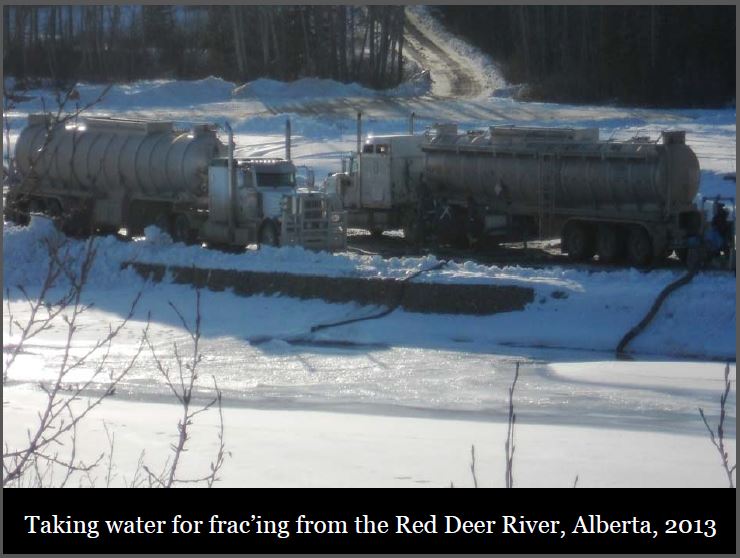
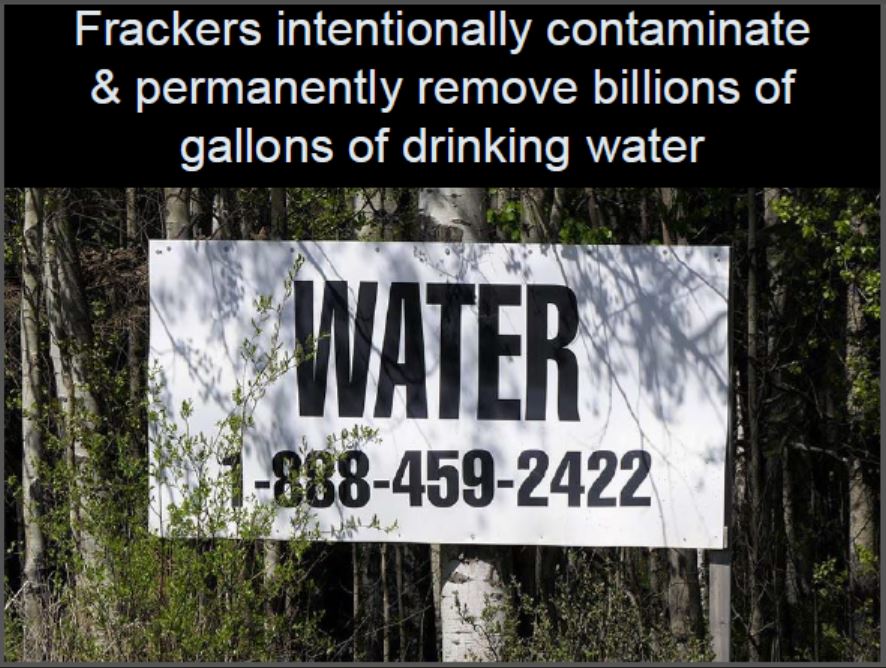
A proportion (25% to 100%) of the water used in hydraulic fracturing is not recovered, and consequently this water is lost permanently to re-use, which differs from some other water uses in which water can be recovered and processed for re-use.
‘End is near’: Will Kabul become first big city without water by 2030? The city of six million people could soon run out water, amid climate change, sanctions and governance failures, say experts. by Ruchi Kumar, 5 Jul 2025, Al Jazeera
 My condolences. I know what hell life is when forced to haul water. I’ve been hauling jugs like that now for nearly 20 years, my hands can barely hold on to the handles anymore, and filling and hauling them enrages me, every time.

Kabul, a city of over six million people, could become the first modern city to run out of water in the next five years, a new report has warned.
Groundwater levels in the Afghan capital have dropped drastically due to over-extraction and the effects of climate change, according to a report published by nonprofit Mercy Corps.
So, is Kabul’s water crisis at a tipping point and do Afghan authorities have the resources and expertise to address the issue?
The depth of the crisis
Kabul’s aquifer levels have plummeted 25-30 metres (82 – 98 feet) in the past decade, with extraction of water exceeding natural recharge by a staggering 44 million cubic metres (1,553cu feet) a year, the report, published in April this year, noted.
If the current trend continues, Kabul’s aquifers will become dry by 2030, posing an existential threat to the Afghan capital, according to the report. This could cause the displacement of some three million Afghan residents, it said.
The report said UNICEF projected that nearly half of Kabul’s underground bore wells, the primary source of drinking water for residents, are already dry.
It also highlights widespread water contamination: Up to 80 percent of groundwater is believed to be unsafe, with high levels of sewage, arsenic and salinity.
Conflict, climate change and government failures
Experts point to a combination of factors behind the crisis: climate change, governance failures and increasing pressures on existing resources as the city’s population has expanded from less than one million in 2001 to roughly six million people today.
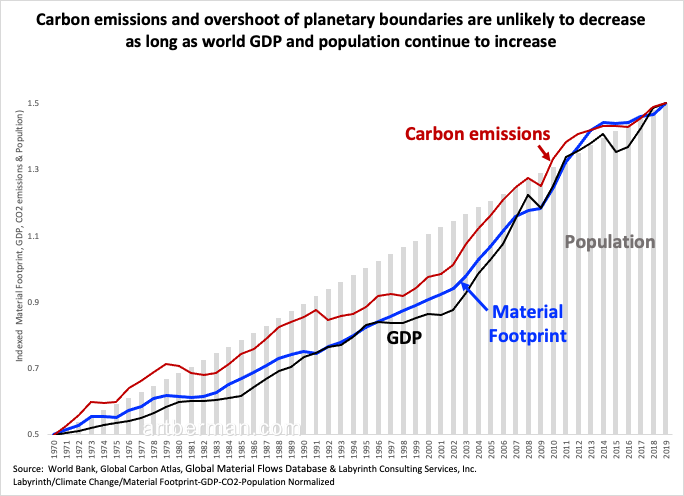
Two decades of US-led military intervention in Afghanistan also played a role in the crisis, as it forced more people to move to Kabul while governance in the rest of the country suffered.
“The prediction is based on the growing gap between groundwater recharge and annual water extraction. These trends have been consistently observed over recent years, making the forecast credible,” said Assem Mayar, water resource management expert and former lecturer at Kabul Polytechnic University.
“It reflects a worst-case scenario that could materialise by 2030 if no effective interventions are made,” he added.
Najibullah Sadid, senior researcher and a member of the Afghanistan Water and Environment Professionals Network, said it was impossible to put a timeline on when the capital city would run dry. But he conceded that Kabul’s water problems are grave.
“Nobody can claim when the last well will run dry, but what we know is that as the groundwater levels further drop, the capacity of deep aquifers become less – imagine the groundwater as a bowl with depleting water,” he said.
“We know the end is near,” he said.
Over-extraction highlights divides
A vast portion of the Afghan capital relies on underground borewells, and as water levels drop, people dig deeper or in different locations looking for sources of water.
According to an August 2024 report by the National Statistics Directorate, there are approximately 310,000 drilled wells across the country. According to the Mercy Corps report, it is estimated that there are also nearly 120,000 unregulated bore wells across Kabul.
A 2023 UN report found that nearly 49 percent of borewells in Kabul are dry, while others are functioning at only 60 percent efficiency.
The water crisis, Mayar said, exposes the divide between the city’s rich and poor. “Wealthier residents can afford to drill deeper boreholes, further limiting access for the poorest,” he said.
“The crisis affects the poorest first.”
The signs of this divide are evident in longer lines outside public water taps or private water takers, says Abdulhadi Achakzai, director at the Environmental Protection Trainings and Development Organization (EPTDO), a Kabul-based climate protection NGO.
Poorer residents, often children, are forced to continually search for sources of water.
“Every evening, even late at night, when I am returning home from work, I see young children with small cans in their hands looking for water … they look hopeless, navigating life collecting water for their homes rather than studying or learning,” he said.
Additionally, Sadid said, Kabul’s already depleted water resources were being exploited by the “over 500 beverage and mineral water companies” operating in the capital city,” all of which are using Kabul’s groundwater”. Alokozay, a popular Afghan soft drinks company, alone extracts nearly one billion litres (256 million gallons) of water over a year — 2.5 million litres (660,000 gallons) a day — according to Sadid’s calculations.
Al Jazeera sent Alokozay questions about its water extraction on June 21, but has yet to receive a response.
Kabul, Sadid said, also had more than 400 hectares (9,884 acres) of green houses to grow vegetables, which suck up 4 billion litres (1.05 billion gallons) of water every year, according to his calculations. “The list [of entities using Kabul water] is long,” he said.
‘Repeated droughts, early snowmelt and reduced snowfall’
The water shortage is further compounded by climate change. Recent years have seen a significant reduction in precipitation across the country.
“The three rivers — Kabul river, Paghman river and Logar river—that replenish Kabul’s groundwater rely heavily on snow and glacier meltwater from the Hindu Kush mountains,” the Mercy Corps report noted. “However, between October 2023 to January 2024, Afghanistan only received only 45 to 60 percent of the average precipitation during the peak winter season compared to previous years.”
Mayar, the former lecturer at Kabul Polytechnic University, said that while it was difficult to quantify exactly how much of the crisis was caused by climate change, extreme weather events had only added to Kabul’s woes.
“Climate-related events such as repeated droughts, early snowmelts, and reduced snowfall have clearly diminished groundwater recharge opportunities,” he said.
Additionally, increased air temperature has led to greater evaporation, raising agricultural water consumption, said Sadid from the Afghanistan Water and Environment Professionals Network.
While several provinces have experienced water scarcity, particularly within agrarian communities, Kabul remains the worst affected due to its growing population.
Decades of conflict
Sadid argued Kabul’s crisis runs deeper than the impact of climate change, compounded by years of war, weak governance, and sanctions on the aid-dependent country.
Much of the funds channelled into the country were diverted to security for the first two decades of the century. Since the Taliban’s return to power in 2021, funding has been used to tackle an escalating humanitarian crisis. Western sanctions have also significantly stymied development projects that could have helped Kabul better manage the current water crisis.
As a result, authorities have struggled with the maintenance of pipelines, canals and dams — including basic tasks like de-sedimentation.
“The crisis is already beyond the capacity of the current de facto authorities,” Mayar said, referring to the Taliban. “In well-managed cities, such impacts are mitigated through robust water governance and infrastructure. Kabul lacks such capacity, and the current authorities are unable to address the problem without external support,” he added.
As a result, environmental resilience projects have taken a backseat.
“Several planned initiatives, including projects for artificial groundwater recharge, were suspended following the Taliban takeover,” Mayar pointed out. “Sanctions continue to restrict organisations and donors from funding and implementing essential water-related projects in Afghanistan,” he said.
Sadid pointed out one example: An Awater supply project -funded by the German Development bank KfW, along with European agencies – could have supplied 44 billion litres (11 billion gallons) of water annually to parts of Kabul from Logar aquifers.
“But currently this project has been suspended,” he said, even though two-thirds of the initiative was already completed when the government of former President Ashraf Ghani collapsed in 2021.
Similarly, India and the Ghani government had signed an agreement in 2021 for the construction of the Shah-toot dam on the Kabul River. Once completed, the dam could supply water to large parts of Kabul, Sadid said, “but its fate is uncertain now.”
What can be done to address the water crisis?
Experts recommend the development of the city’s water infrastructure as the starting point to address the crisis.
“Artificial groundwater recharge and the development of basic water infrastructure around the city are urgently needed. Once these foundations are in place, a citywide water supply network can gradually be developed,” Mayar recommended.
Achakzai agreed that building infrastructure and its maintenance were key elements of any fix.
“Aside from introducing new pipelines to the city from nearby rivers, such as in Panjshir, there needs to be an effort to recharge underground aquifers with constructions of check dams and water reservoirs,” he said, adding that these structures will also facilitate rainwater harvesting and groundwater replenishment.
“[The] Afghan government needs to renew ageing water pipes and systems. Modernising infrastructure will improve efficiency and reduce water loss,” he added.
Yet all of that is made harder by Afghanistan’s global isolation and the sanctions regime it is under, Achakzai said.
“Sanctions restrict Afghanistan’s access to essential resources, technology, and funding needed for water infrastructure development and maintenance,” he said. This, in turn, reduces agricultural productivity, and increases hunger and economic hardship, forcing communities to migrate, he warned.
@race2extinct.bsky.social:
Water runs out, and they act shocked. Was the long-term strategy just “turn the faucet and hope”?
‘How did we get here?’: Calif. megadevelopment runs out of water, “I can barely keep this district running.” by Andrew Pridgen, July 4, 2025, SFGate
It may sound like an end-times warning for California about the existential risk of building megadevelopments in places where water is scarce — but in one Central California community, the worst fears of running out of the precious resource have become a reality.
And, even in a best-case scenario, there seemingly is no solution except for one that is both temporary and unfathomably expensive.
Diablo Grande is a planned community in the foothills of Stanislaus County, about 30 miles southwest of Modesto. The community was initially approved for construction on 29,000 acres in the early 1990s and was dreamed up as a massive project featuring thousands of homes, half a dozen golf courses and even a hotel. A scaled-back version of the plan was ultimately built — featuring 600 homes and a since-shuttered golf course — and the grand vision of Diablo Grande never came to fruition.
Why? Even in its earliest days, environmental impact studies voiced concerns about water scarcity that led to the development forming its own water service entity, the Western Hills Water District, to supply it with the necessary resource in 1992.
Since 2000, that water district has relied on water pumped from the Kern County Water Agency some 200 miles south. But this agreement hit a roadblock in early April when representatives from the agency notified officials for the Western Hills Water District that they would be terminating the water service contract on June 30 due to years of unpaid bills.
This decision, at least in part, is a reflection of financial troubles that have plagued the development for more than a decade, starting with when the original developers went bankrupt in 2008, which resulted in the sale of Diablo Grande to World International LLC for a mere $20 million.
And yet, even after the development changed hands and the residents took over management of the water district in 2020, the Kern County Water Agency maintains things did not get better. It now says it’s owed some $13.5 million in back pay for water supplied to Diablo Grande, forcing at least one California lawmaker to get involved.
“The Western Hills Water District (WWHD), which facilitates water supply to Diablo Grande residents, has faced severe debt at no fault of the residents,” Assemblymember Juan Alanis wrote to Gov. Gavin Newsom’s Office of Emergency Services with regard to the dire issue plaguing the development on April 8. “I agree with the WHWD’s assessment that the financial problems primarily resulted from the actions of two former developers, and no significant action has taken place to alleviate the financial burden resulting from the community’s developers.”
Following an exchange of emails between the two water district heads in June, it was determined that Diablo Grande residents needed to approve a dramatic water rate increase: $569 monthly, up from $145, about a 300% increase, by the end of June or risk being cut off entirely.
“We’re on a shoestring here,” Mark Kovich, president of the Western Hills Water District board, told KXTV-TV last week. “I can barely keep this district running.”
Late last week, the Kern County Water Agency said it would continue to provide water service until the end of the year provided residents approved the water rate increase. “The Agency had previously granted a conditional extension through December 31, 2025 pending the outcome of the Proposition 218 rate hearing but determined the shorter unconditional extension was warranted in light of the short time between the June 28 rate hearing and the June 30 deadline,” Kern County Water Agency wrote in a released statement which was obtained by SFGATE on Monday. “If Western Hills’ proposed rate increases are approved without a majority protest at the June 28 rate hearing, then the December 31 deadline will remain in effect.”
The rate hike was approved Saturday, which, including fees, will raise most households’ water rates to about $600 a month, effective July 1.
In the wake of Saturday’s decision, water district board president Kovich told the Modesto Bee that the district received 14 protests and two invalidated protests during the Prop. 218 process, which ensures “all taxes and most charges on property owners are subject to voter approval.” The majority of residents did not protest the rate hike prior to its approval.
And while the district board members Saturday said they will explore other water sources, including testing water from a nearby private well to provide water long term, the reality for Diablo Grande residents — many of whom are retirement age and live on a fixed income — is the dream of manufactured paradise in the middle of an arid part of California now comes with an extreme cost and extreme uncertainty.
“The dream was to move up here, someday retire, and play golf every day,” Katie Whitney, a Diablo Grande resident who moved to the development with her husband in 2012, told Moneywise. “We’ve paid our bill. … How did we get here? How in the world did we get here?”Easy answer: Human ego and stupidity, e.g. gov’ts contaminated and run by fairy tale religions, hanging onto prayer and hope while shunning science and reality; religions pimping insane over baby making, and criminalizing family planning, birth control, and women’s and girls’ rights even when raped; greed; wasting and over consuming fossil fuels like there’s no tomorrow; letting oil gas frac bitumen and coal industries operate unlawfully and intentionally contaminating massive volumes of fresh water purely to feed human greed; wasting and over consuming water like there’s no tomorrow including idiotically !! irrigating golf courses even more idiotically built in arid areas; hydraulic fracturing which permanently destroys masses of water; global warming causing extreme droughts and heat; living wastefully in all ways including too much polluting tourism/travel and wasteful food production and now, instead of learning to respect air, land and water, greed by tech billionaires now comes to finish water off.
The atmosphere’s growing thirst is making droughts worse, even where it rains by Harrison Tasoff, Jun 4, 2025, UC Santa Barbara
A new study, published in Nature, shows that the atmosphere’s growing thirst for water is making droughts more severe, even in places where rainfall has stayed the same. The paper details how this “thirst” has made droughts 40% more severe across the globe over the course of the past 40 years.
“Drought is based on the difference between water supply (from precipitation) and atmospheric water demand. Including the latter reveals substantial increases in drought as the atmosphere warms,” said co-author Chris Funk, director of the Climate Hazards Center at UC Santa Barbara.
The hidden force behind worsening droughts
Droughts are usually blamed on a dearth of rain. But scientists have discovered another factor at work: warming air is increasing the atmosphere’s evaporative demand. Atmospheric evaporative demand (AED) acts like a sponge, soaking up moisture faster than it can be replaced. This can pull more water out of soils, rivers and plants.
It’s not clear whether a warmer atmosphere will make droughts more or less intense, frequent and widespread. “As the atmosphere warms, air at a constant relative humidity will hold more water vapor, so rainfall may increase,” Funk explained. “But at the same time, atmospheric evaporative demand is also expected to increase. So which is increasing more quickly?”
Funk joined an international team of scientists to examine the role AED is playing in exacerbating droughts around the world.
Chris Funk works with an international team of Earth scientists to inform weather and famine-related disaster responses. Chris studies climate and climate change while also developing improved data sets and monitoring/prediction systems.
A new way to measure drought’s growing danger
Scientists knew AED was important, but few studies had carefully measured its global impact using real-world observations, making it harder to predict and prepare for droughts. This new study used a set of high-resolution data covering more than a century, and applied advanced methods to track how AED has increased and how much worse it has made droughts.
“We face a big challenge,” explained lead author Solomon Gebrechorkos, a hydro-climatologist at University of Oxford. “There’s no direct way to measure how ‘thirsty’ the atmosphere is over time. So, we used high-resolution climate data, identified through a comprehensive global evaluation, and applied the most advanced models for atmospheric evaporative demand — models that account for multiple climate variables, not just temperature.”
The team compared water supply, based on precipitation, and atmospheric evaporative demand using multiple world-class datasets. They then looked at changes in the standardized data, evaluating these changes over time. “This allowed us to compare wet and dry regions using a common framework,” Funk explained. The authors then identified statistically significant increases in drought.
They found that AED has increased faster than precipitation rates, suggesting an alarming tendency towards drier conditions. “I find these results very concerning, but perhaps not terribly surprising,” Funk said. “Most of us are familiar with how air temperatures are increasing rapidly, but most people may not realize the connections between this warming and the desiccating influence of the atmosphere.” In warm areas, raising the temperature by just a couple degrees can dramatically increase the atmosphere’s ability to draw moisture from crops, rangelands and forests, he added.
Understanding drought in a warming world
This study reinforces past work showing that droughts will become more intense in a warming world. This has implications for global food and water security, which may in turn amplify political instability and conflict. Easier to see are more direct links between increased AED and wildfire. A thirsty atmosphere desiccates plants, which contributes to larger wildfires.
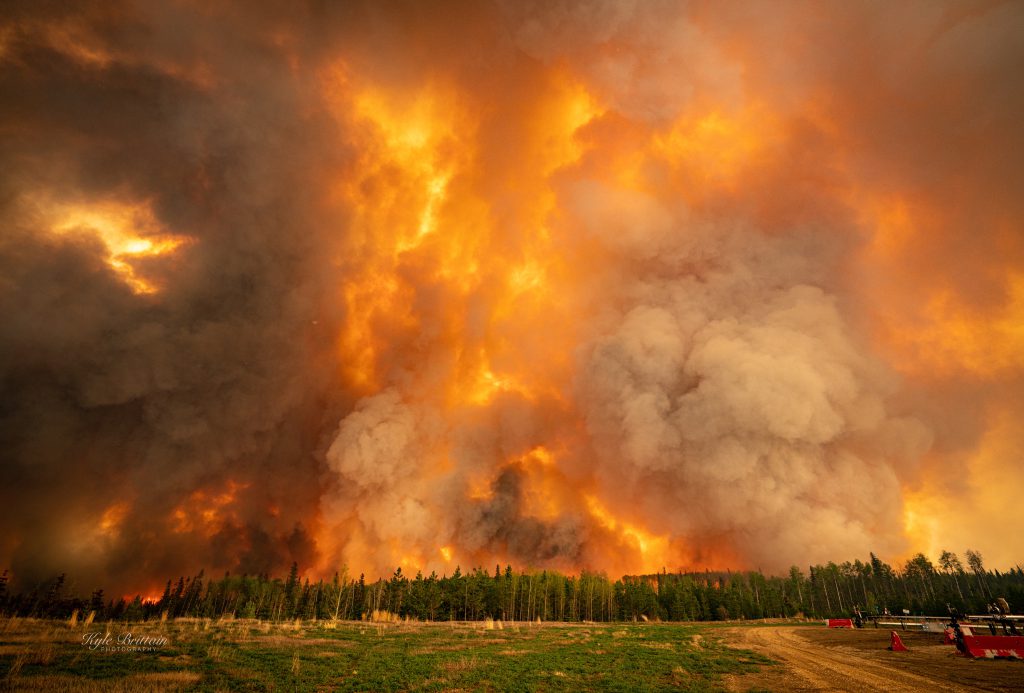
2023 Wall of wildfire at Fox Creek, Alberta’s frac’d to hell central. Photo by Kyle Brittain
Looking into the future, this study underscores the importance of early warning systems, drought risk management and effective anticipatory actions. Predicting droughts, and increased atmospheric demand, can trigger effective interventions. For example, farmers might use micro-irrigation or water-retentive soil treatments to offset increased AED. “To counter increasing drought trends, we need to anticipate and manage the extreme events that lead to concerning increases in drought risk,” Funk said.
Researchers are also interested in uncovering how evaporation and atmospheric demand interact with water supplies, not just rainfall patterns. Scientists will need to study how farmers, cities and ecosystems can adapt to a world where the atmosphere constantly demands more moisture.
Refer also to:
2025: AI is coming for the world’s energy and water.
2025: Rural Saint-Louis region, France: Tap water *banned* because of PFAS contamination
2024: Frac’d to hell Alberta dries up. Fast.
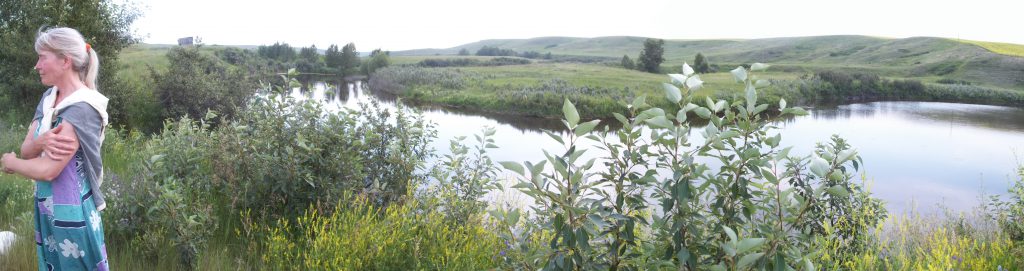
This is the old Rosebud river that runs through the back part of my land, photo taken in 2012. It always had lots of water in it since ’98 when I bought the place, and throughout the history of the family that farmed it for about 100 years before they sold it to me (there is one portion further west that went dry during extreme drought and heat, but never this part). It’s home for many wild beings.
In 2024, it went completely dry to my horror and heart break, but not unexpected because human idiots have been frac’ing Alberta viciously, permanently unforgivably removing most of the water injected. There was much run off spring 2025 (because of global warming caused snow melt too fast and not absorbing into the ground) but it did not bring the water levels back.
And now, Persist, and oil and gas company that turns Bitcoin Scheister when it suits them, plans to frac Rosebud more. Humans are the stupidest, most cruel, polluting, raping, destroying, greedy, selfish, evil species that ever existed and likely ever will.
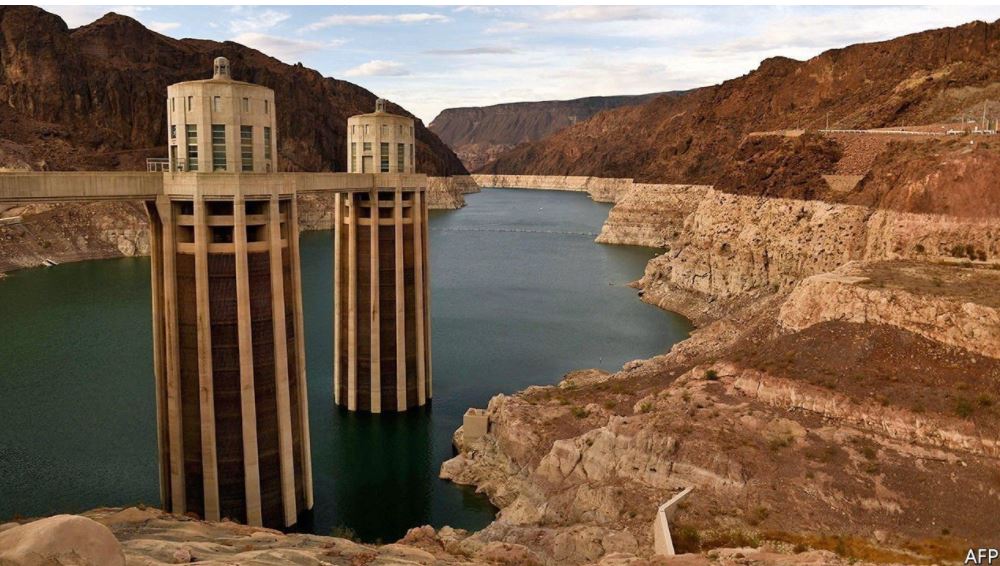
2021: USA West running out of water, but frac’ers keep frac’ing.
2020: Nothing baffling about Teck’s river-polluting corporate practices
2019: How Did Frac Contaminants End Up In The Monongahela River?
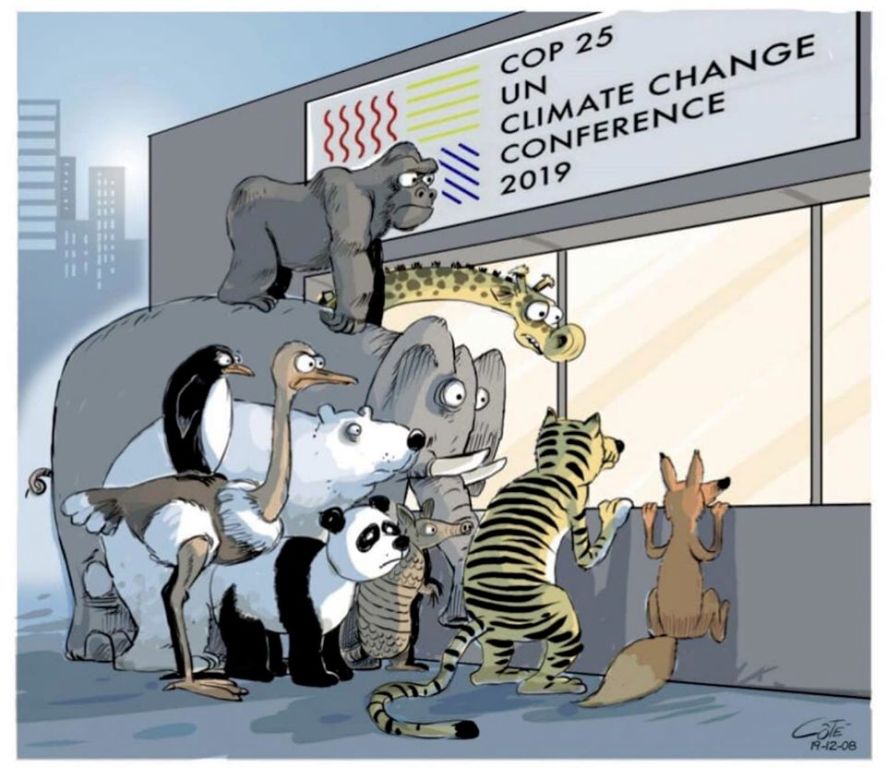
2017 Rape by Frac photos below by Will Koop.
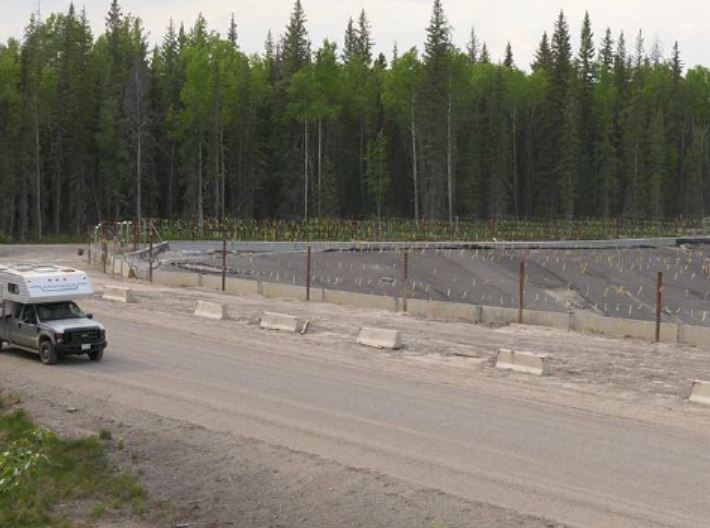
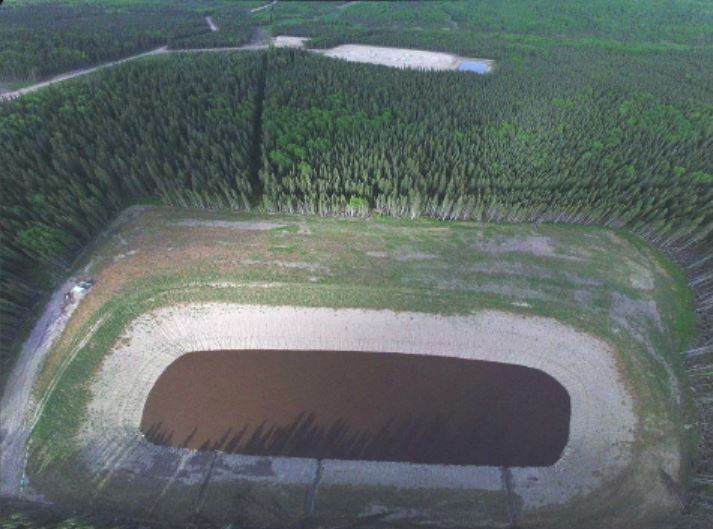
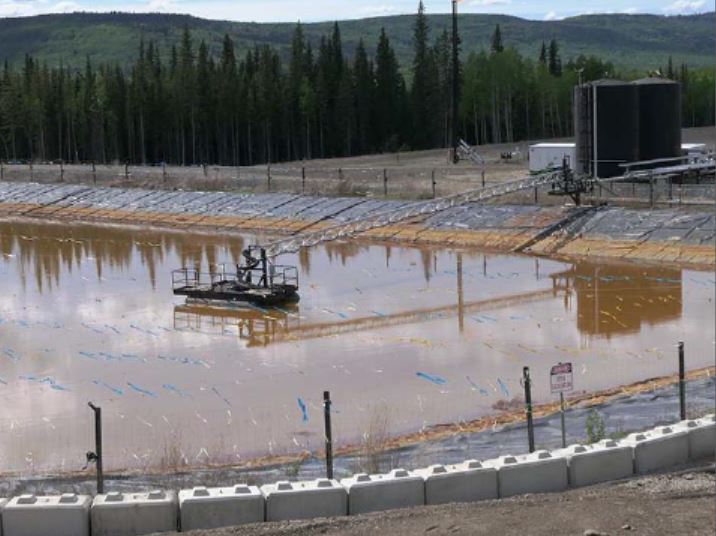
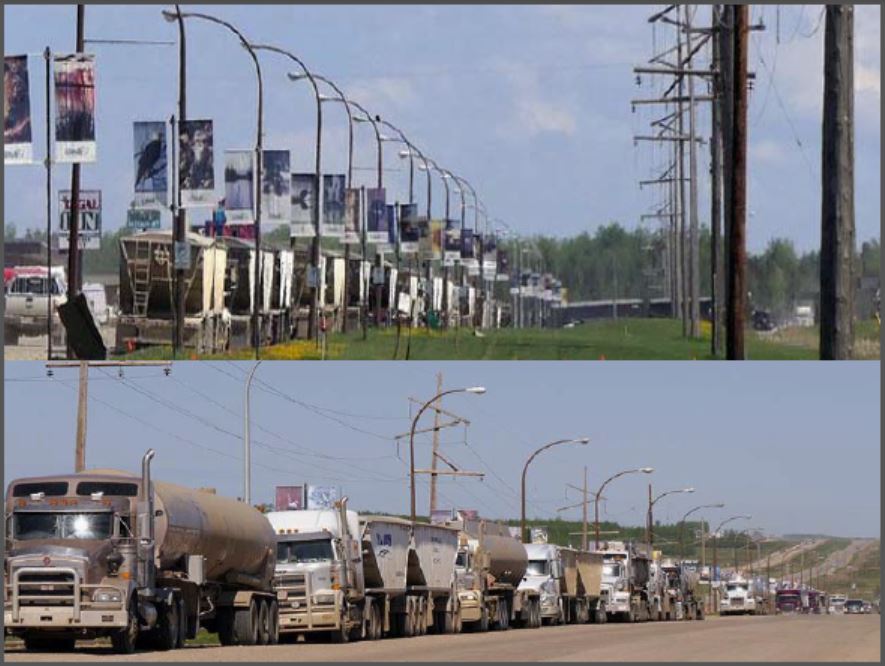
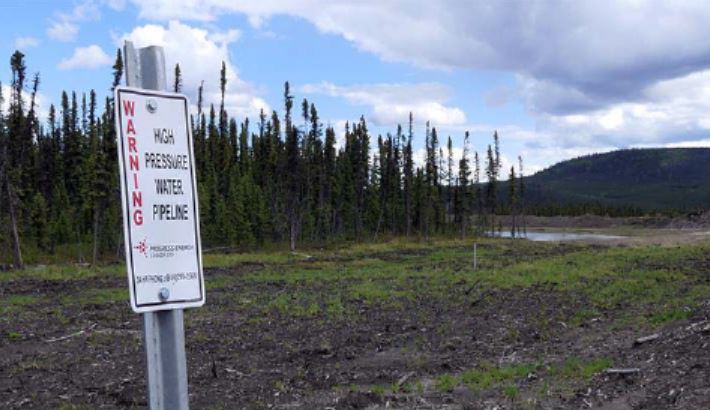
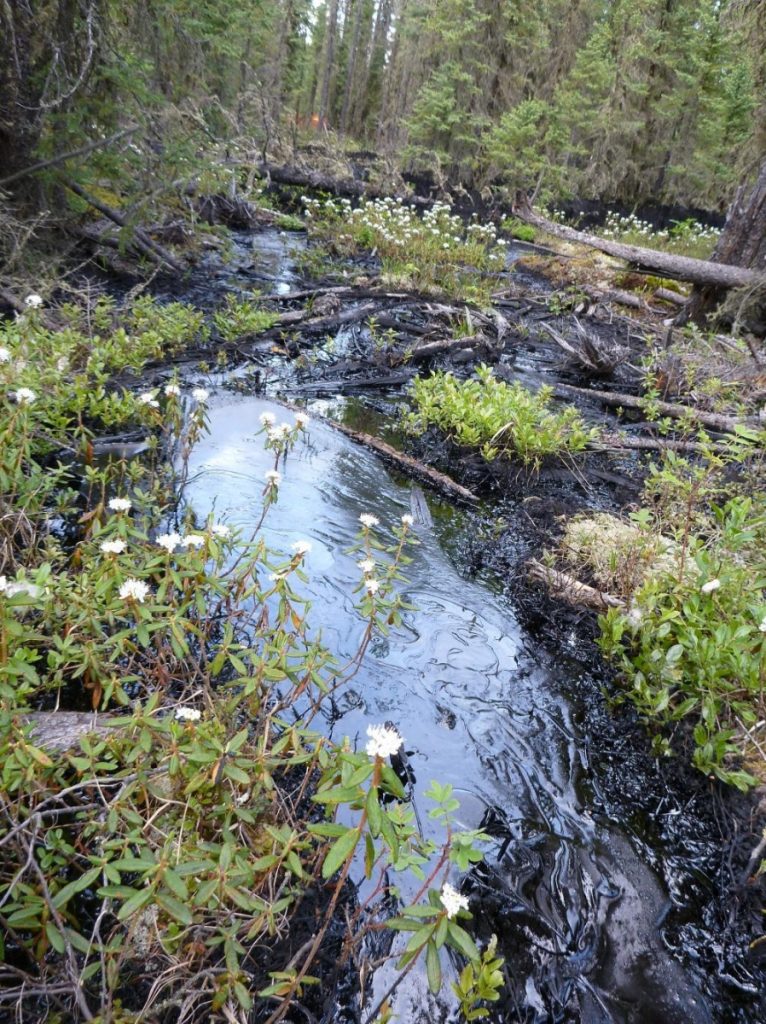
Ever wonder where your water went?
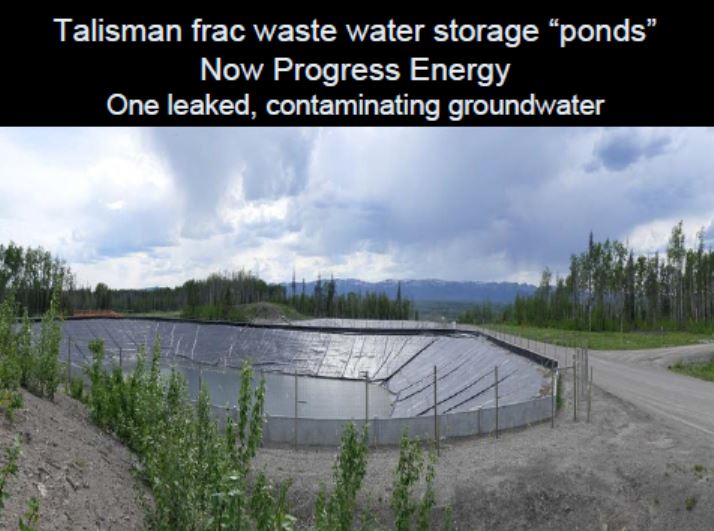
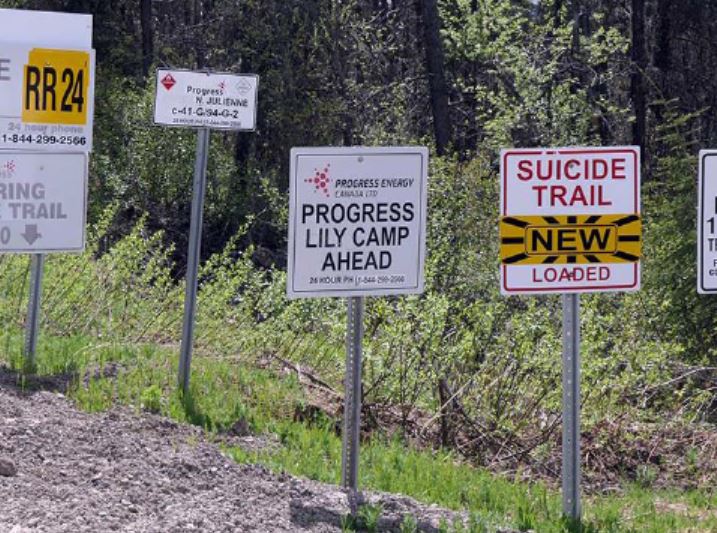
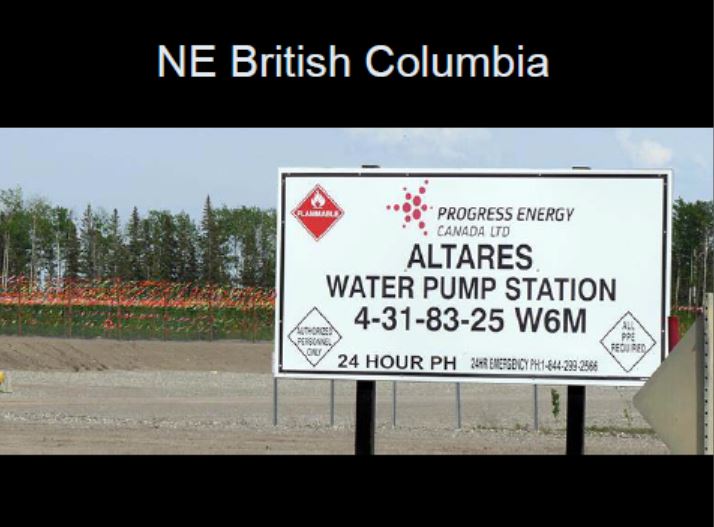
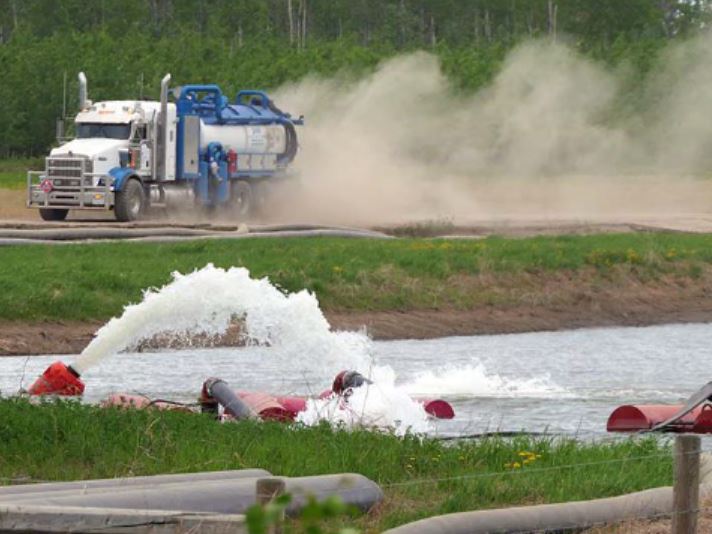
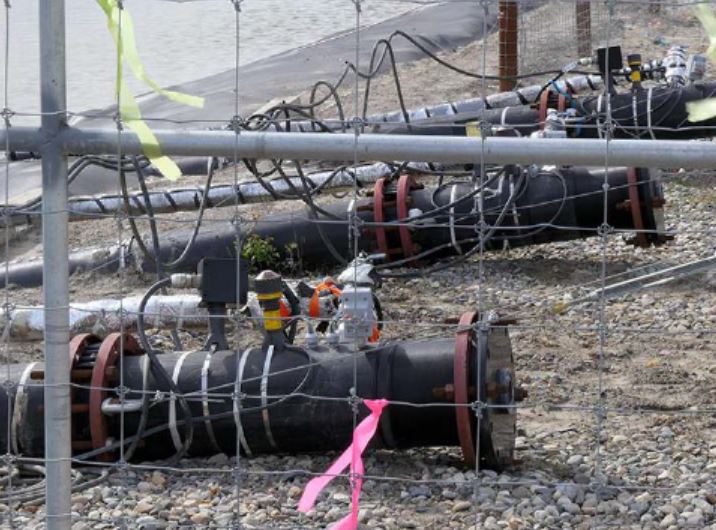
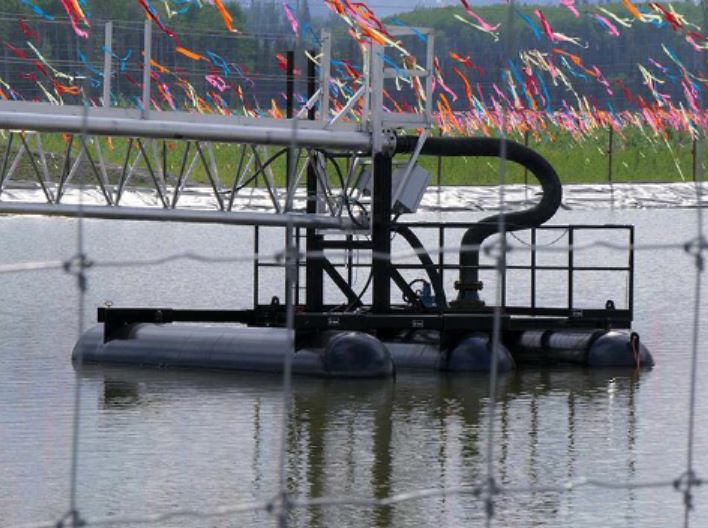
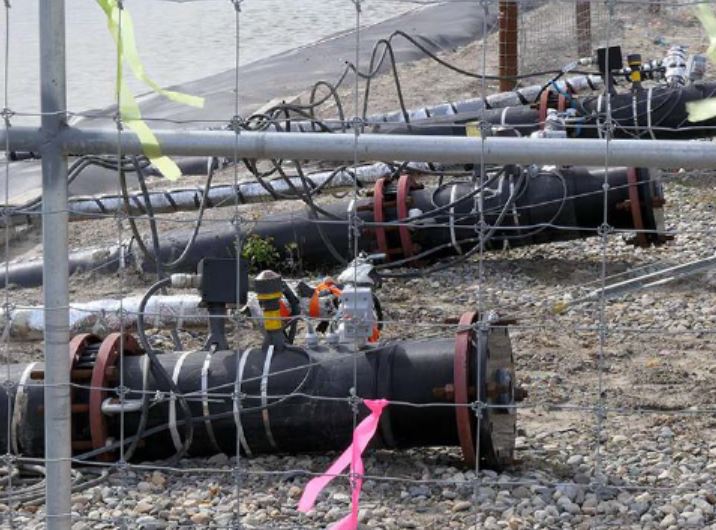
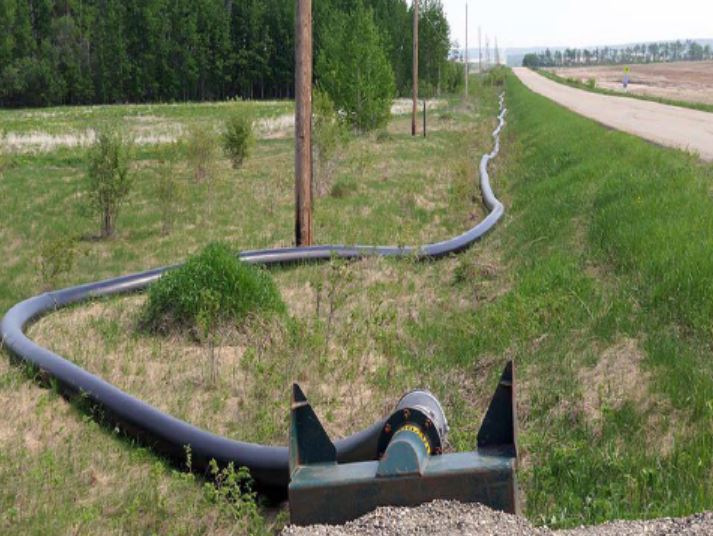
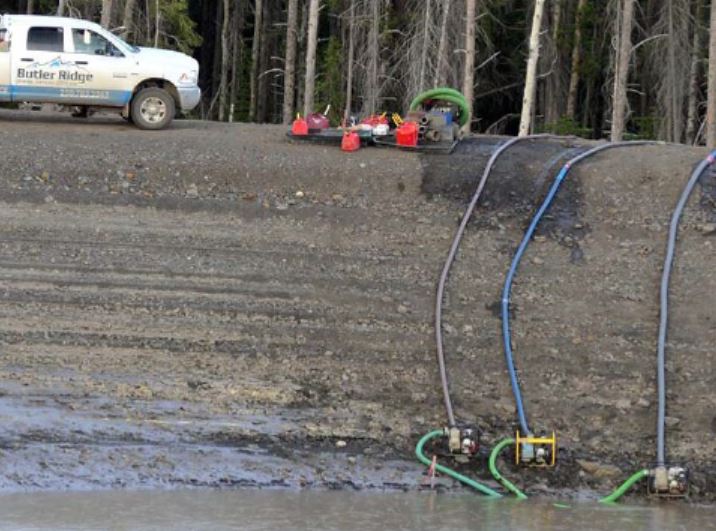
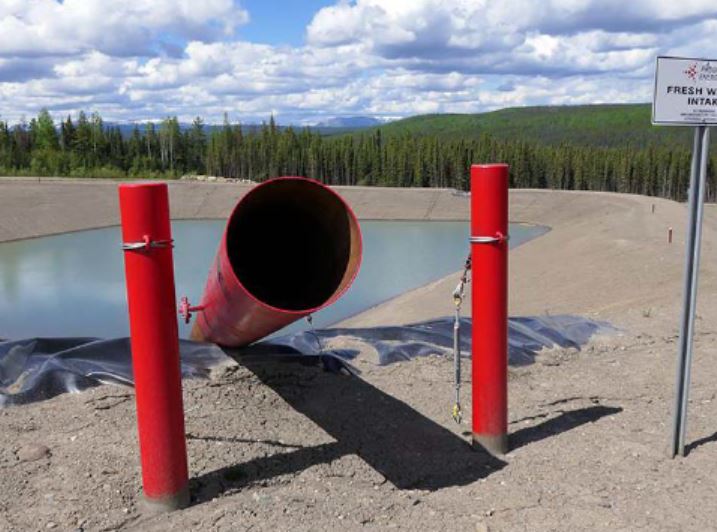
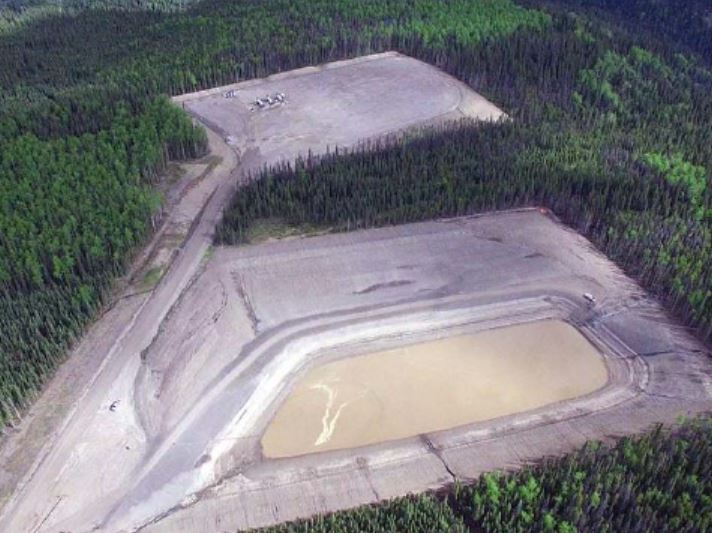
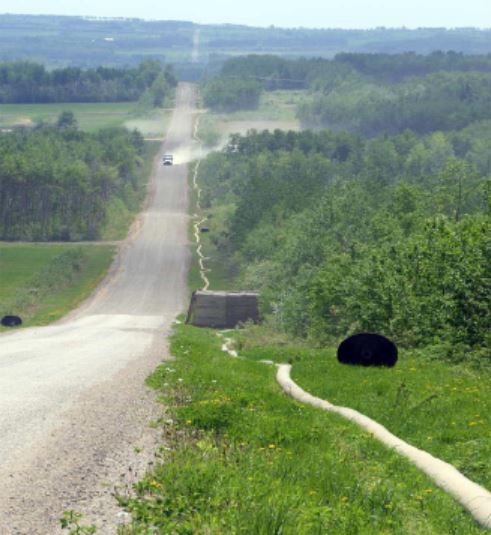
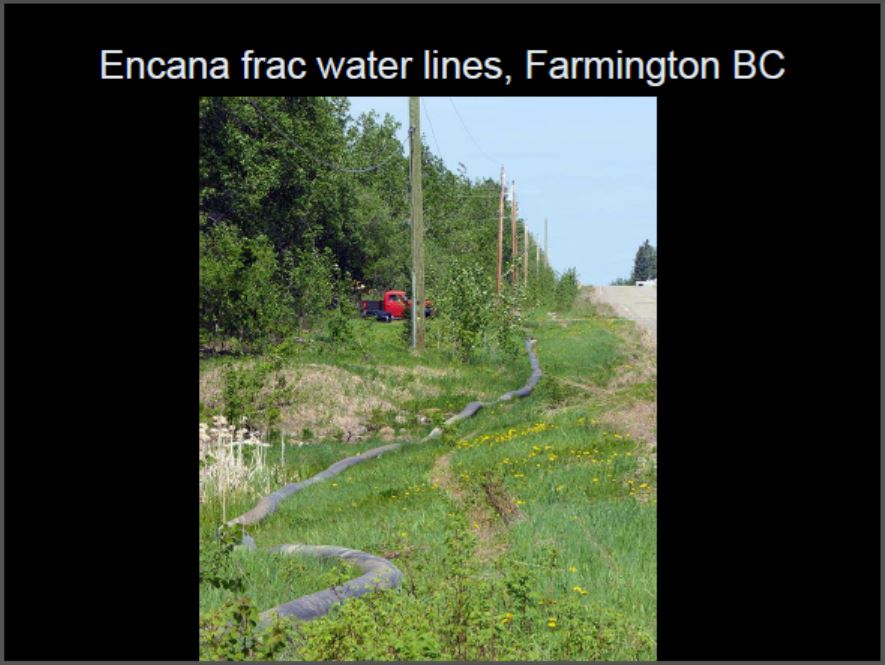
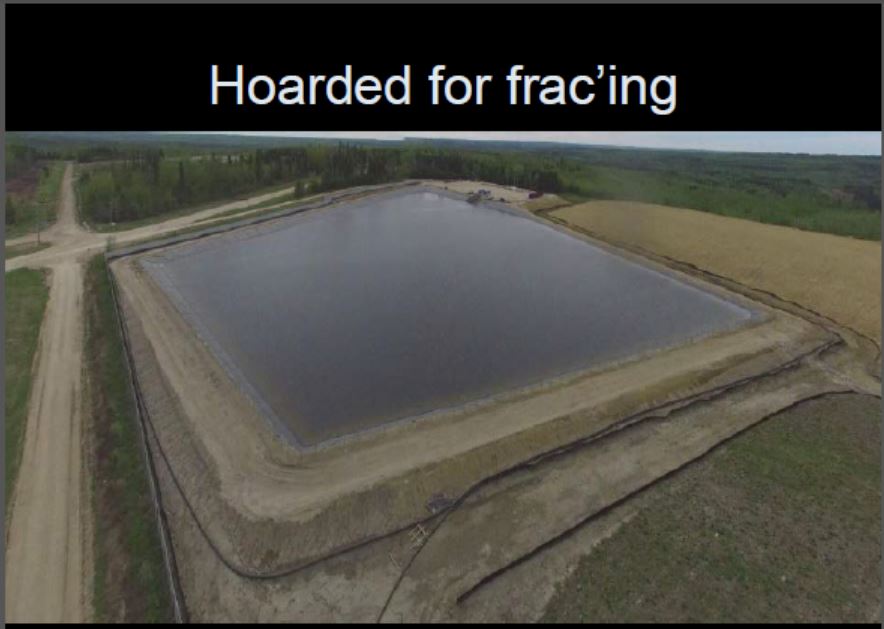
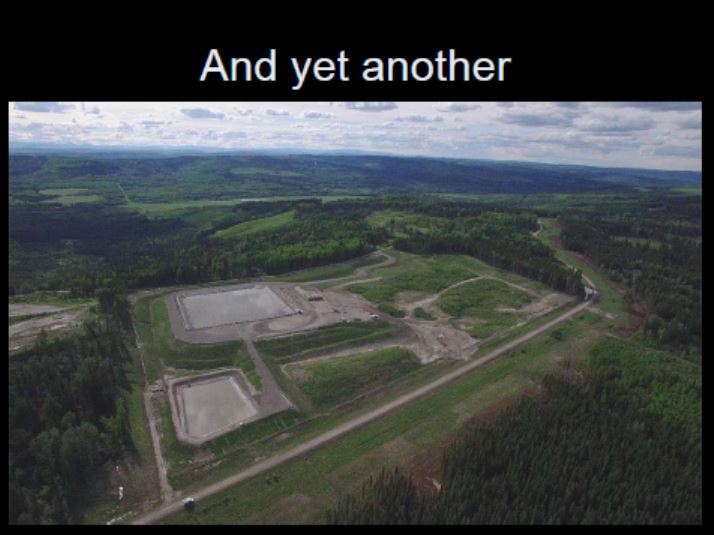
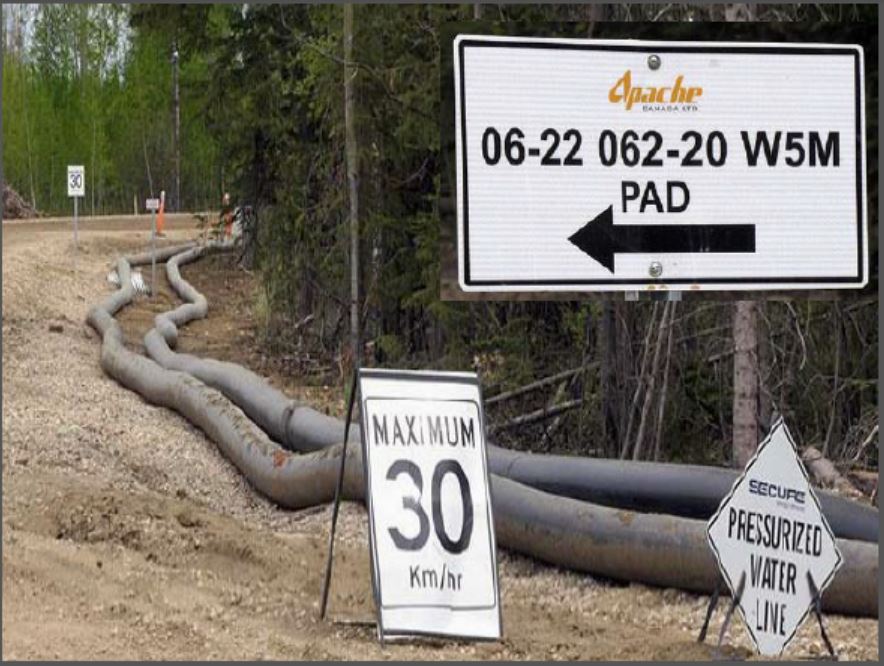
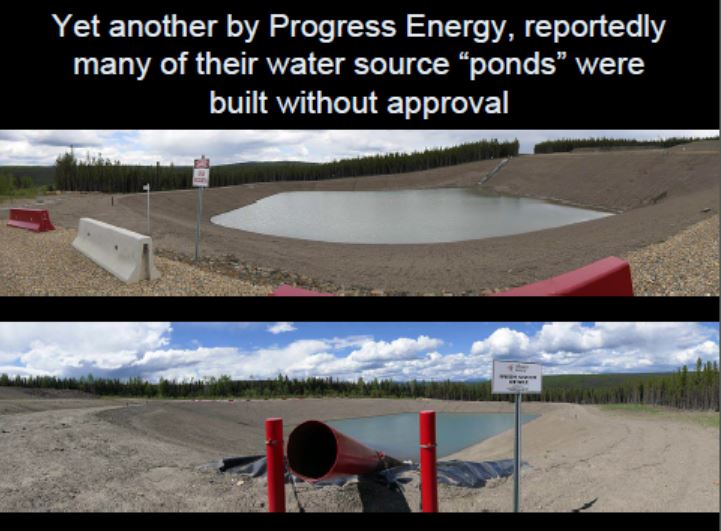
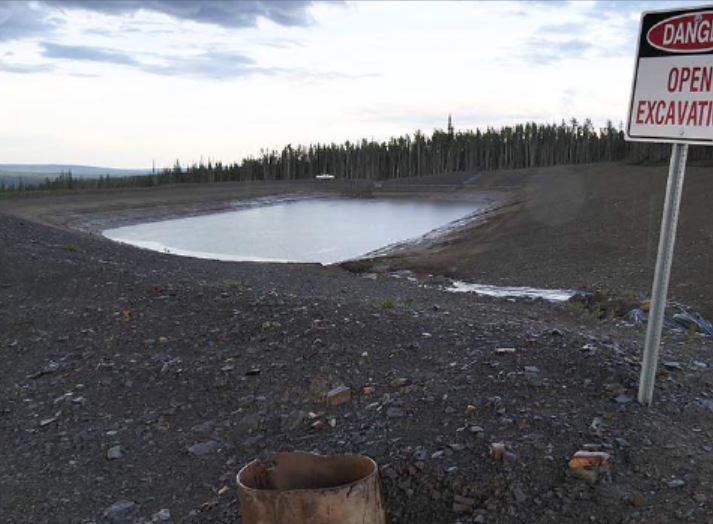
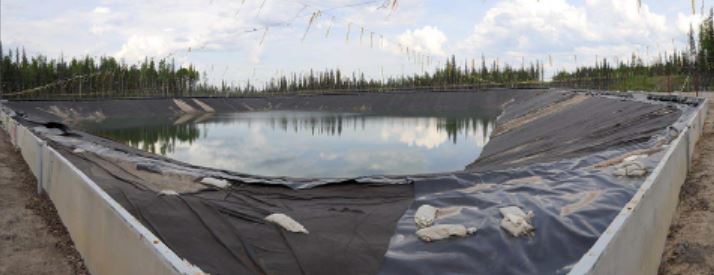
This frac pit is in Alberta. Can you tell?
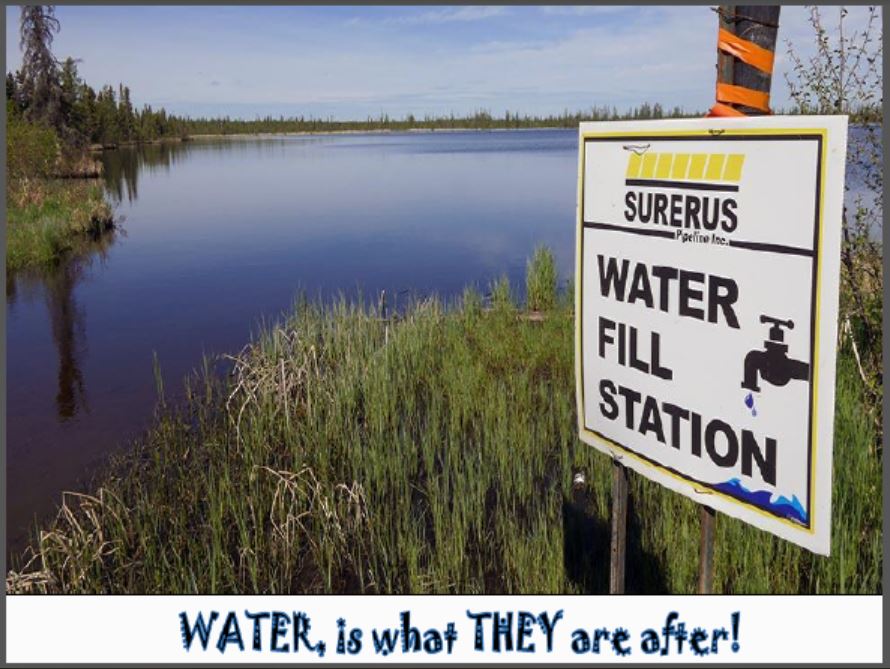
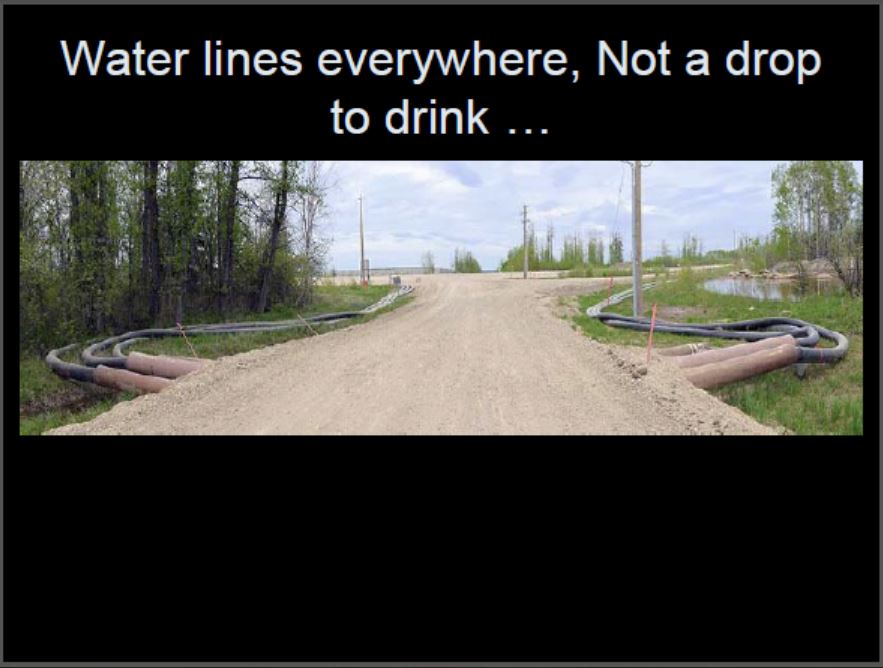
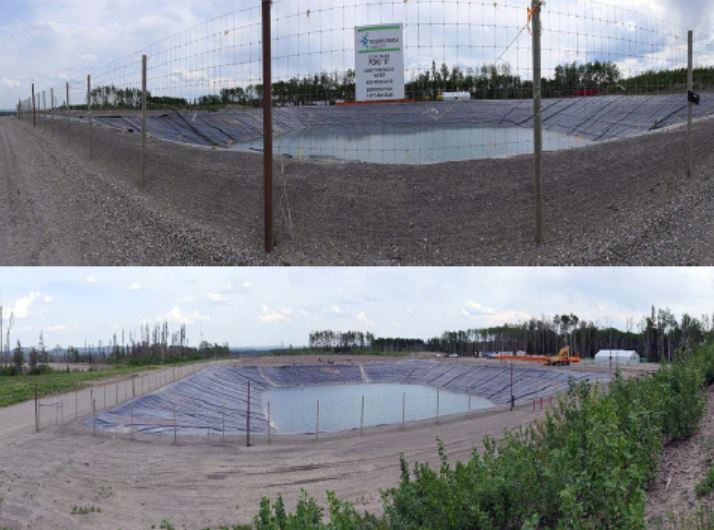
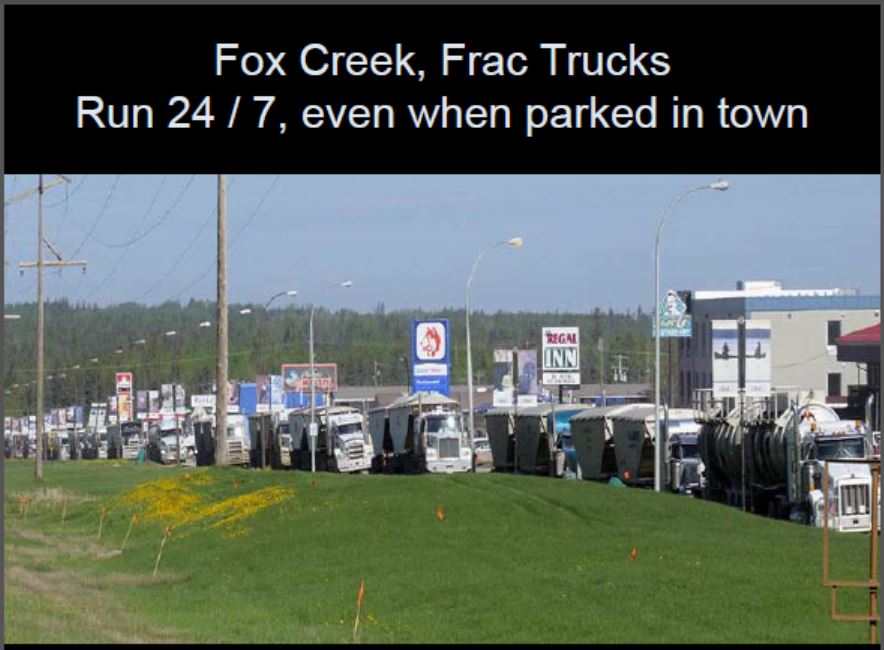
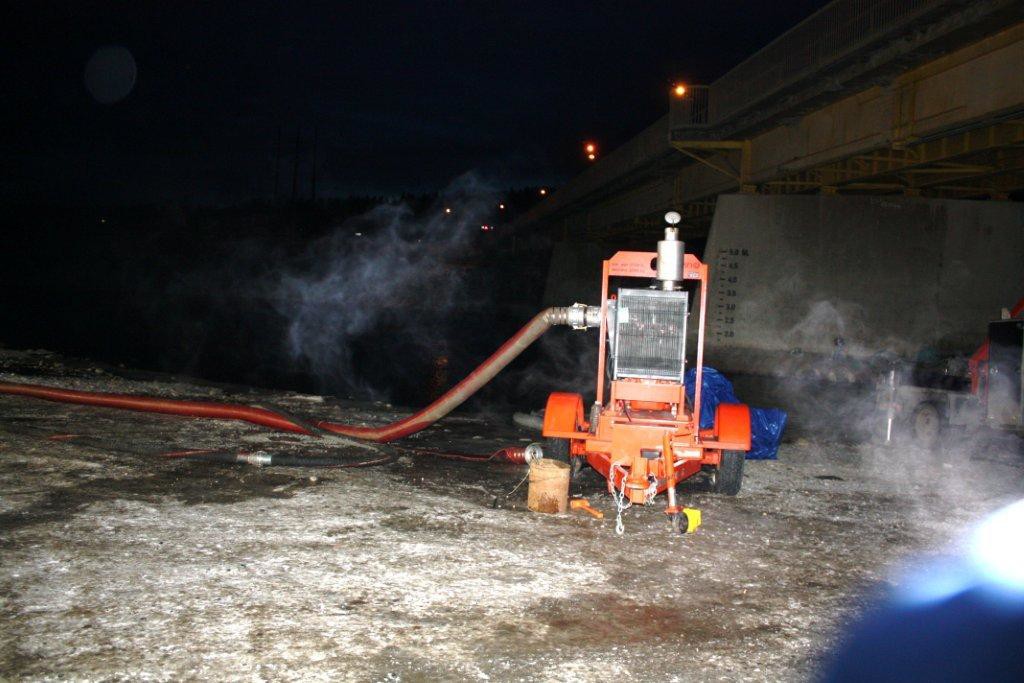
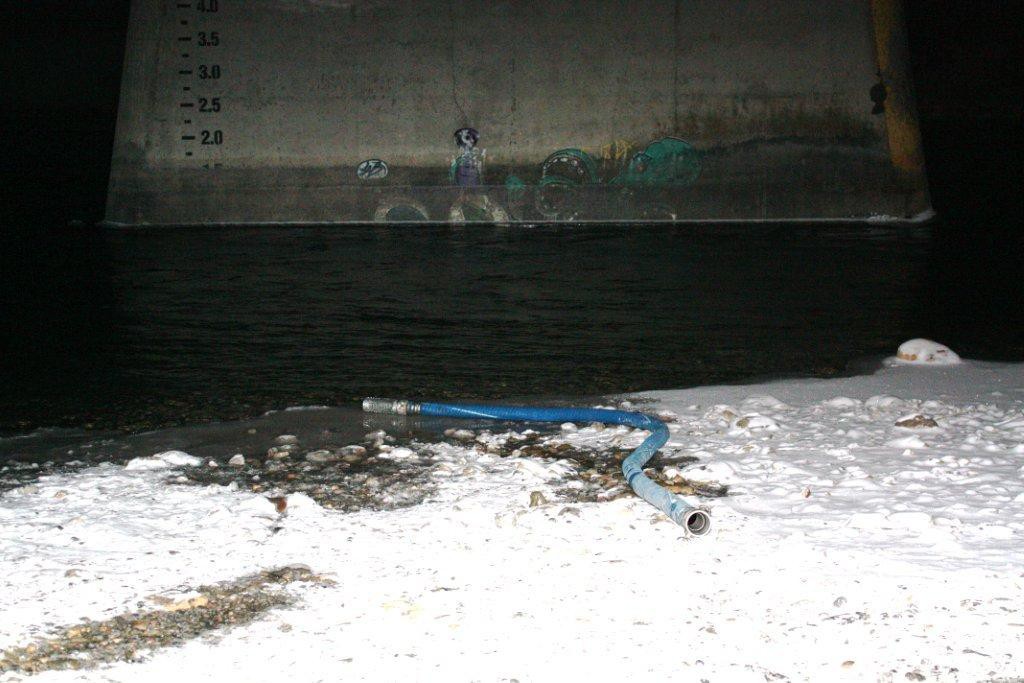
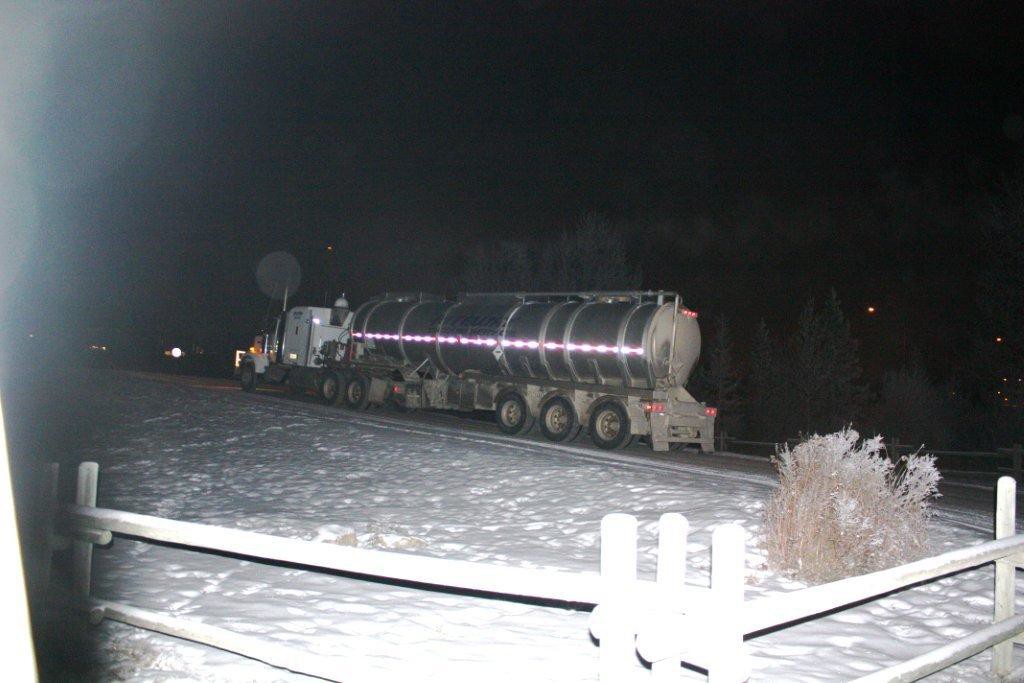
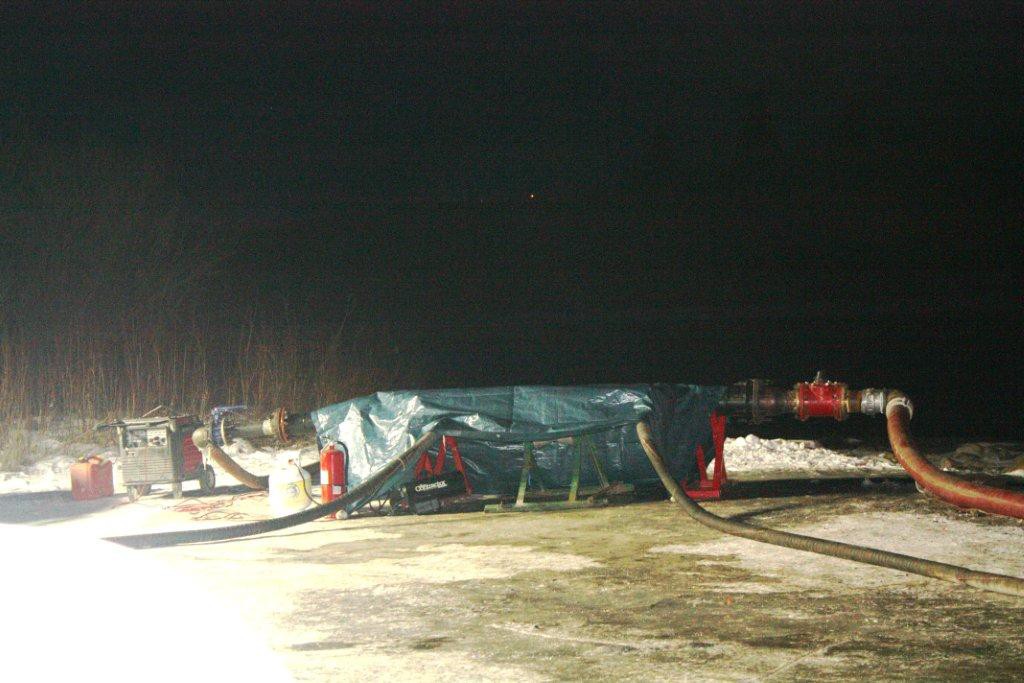
Pump for taking water out of the Bow River by Bernum Petroleum at boat launch, Cochrane, Alberta
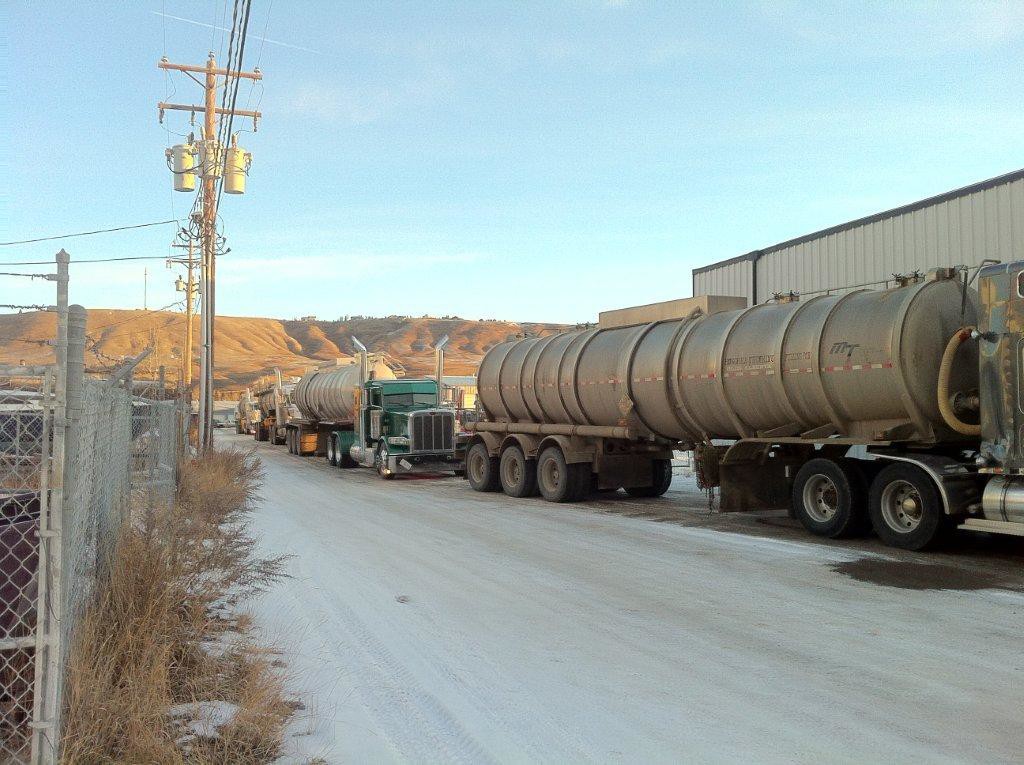
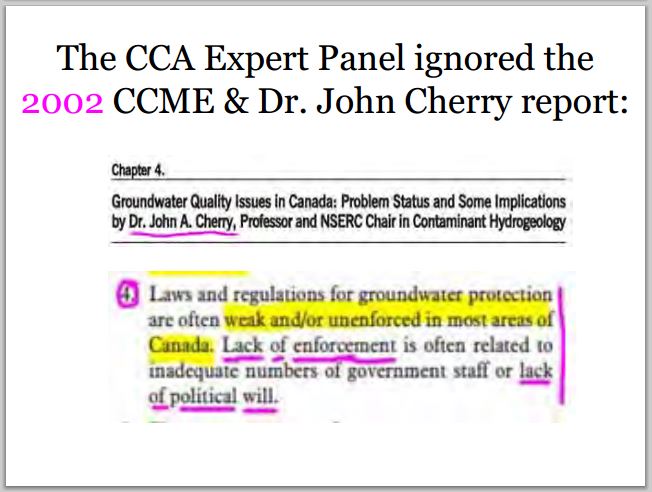
2014: Council of Canadian Academies Expert Frac Report: Provides more questions than answers, Science to be determined after the fracs  The fucking douche “experts” on the panel ignored/left out all the most damning regulator frac data and water contamination cases caused by frac’ing, and even though Dr. John Cherry was Chair of it, he/they left out entirely (did not even reference it) the extremely damning cross Canada review and dire warnings about unconventionals’ serious negative impacts to groundwater!
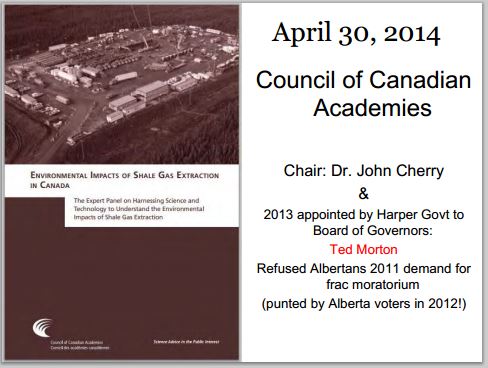
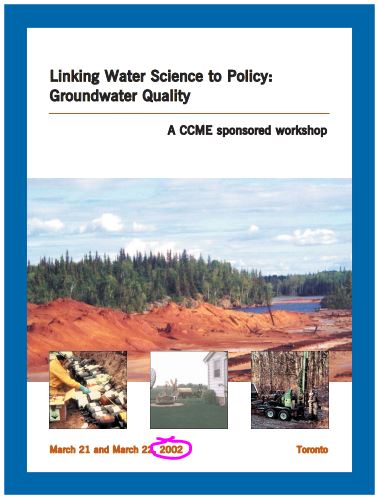
Worse than that, the fuckers removed the 2002 CCME report from the CCME website (and all and any other gov’t websites) after I spoke about it publicly on my speaking tours!
Fucking Evil!
I had saved a copy, so I uploaded it to my website.
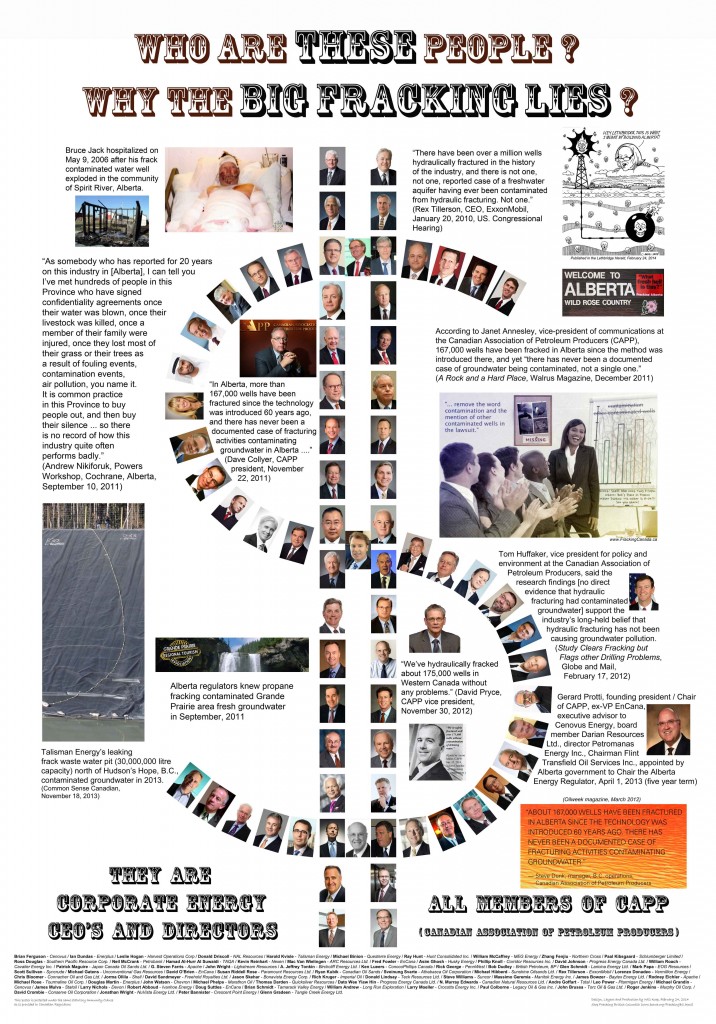
2014: CAPP CONFESSES, A DECADE TOO LATE:
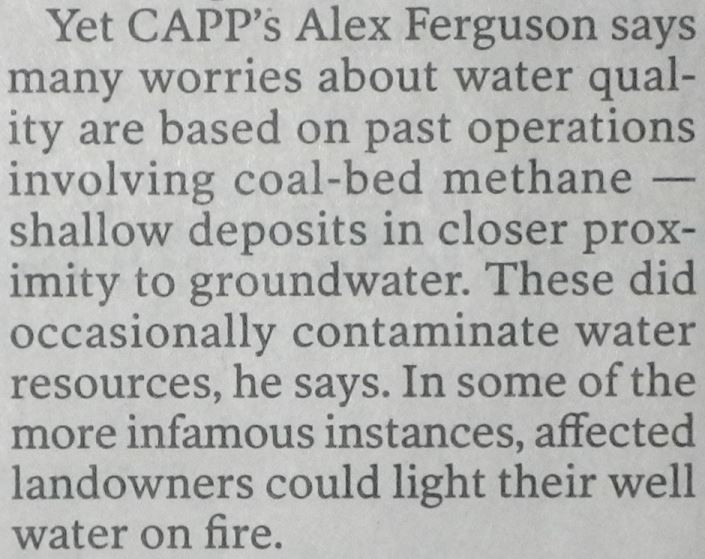
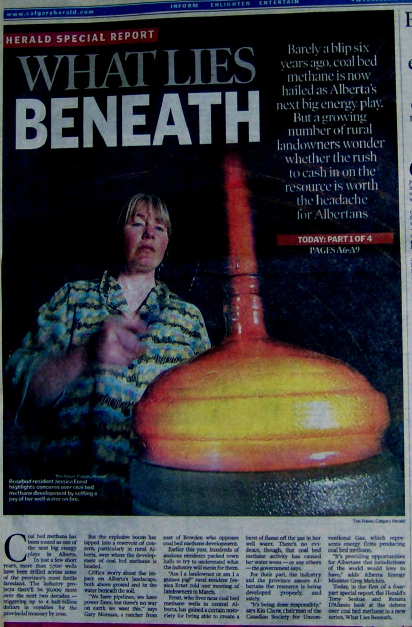
2014: Canadian Association of Petroleum Producers: Coal bed methane operations contaminate water resources full page ad taken out in The Calgary Herald
Yet CAPP’s Alex Ferguson says many worries about water quality are based on past operations involving coal-bed methane — shallow deposits in closer proximity to groundwater. These did occasionally contaminate water resources, he says. In some of the more infamous instances, affected landowners could light their well water on fire.
Alex Ferguson was Commissioner and CEO of the BC Oil and Gas Commission 2007-2011
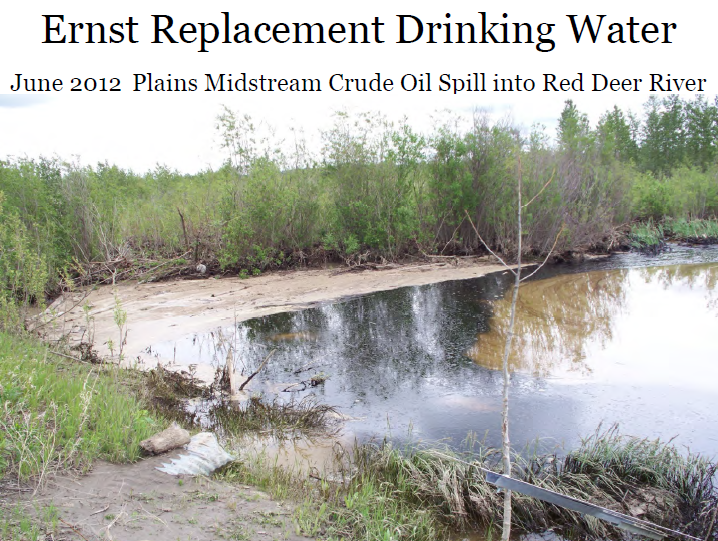

2014: CNRL reports aquifer is contaminated with BTEX 10 km from closest seepage site, How far from steam injection site?
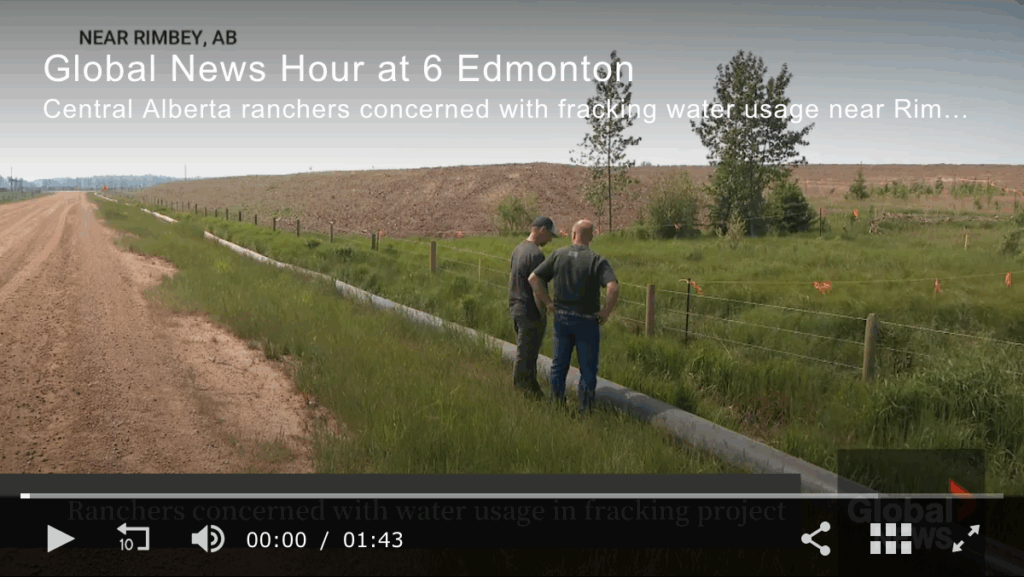
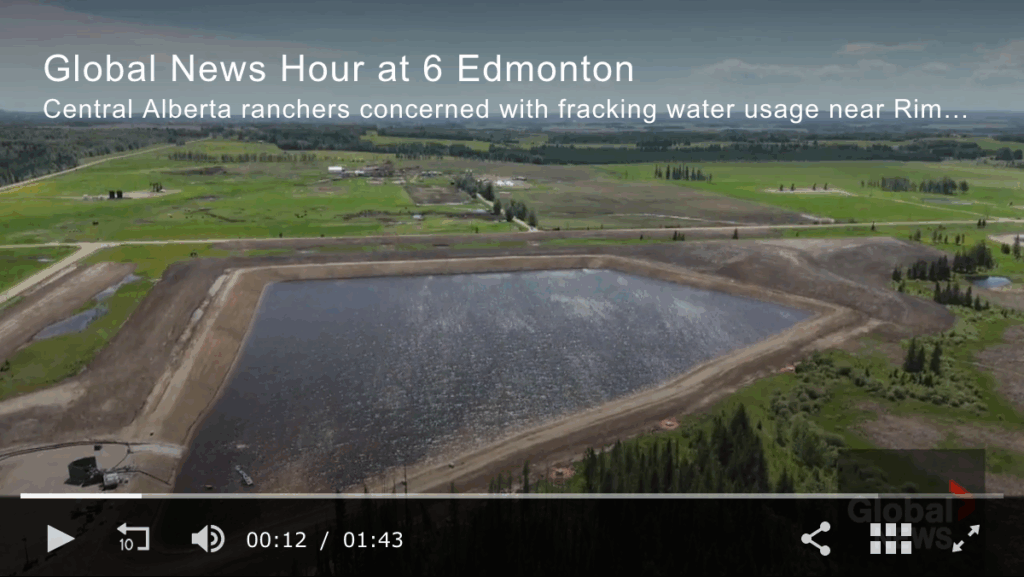
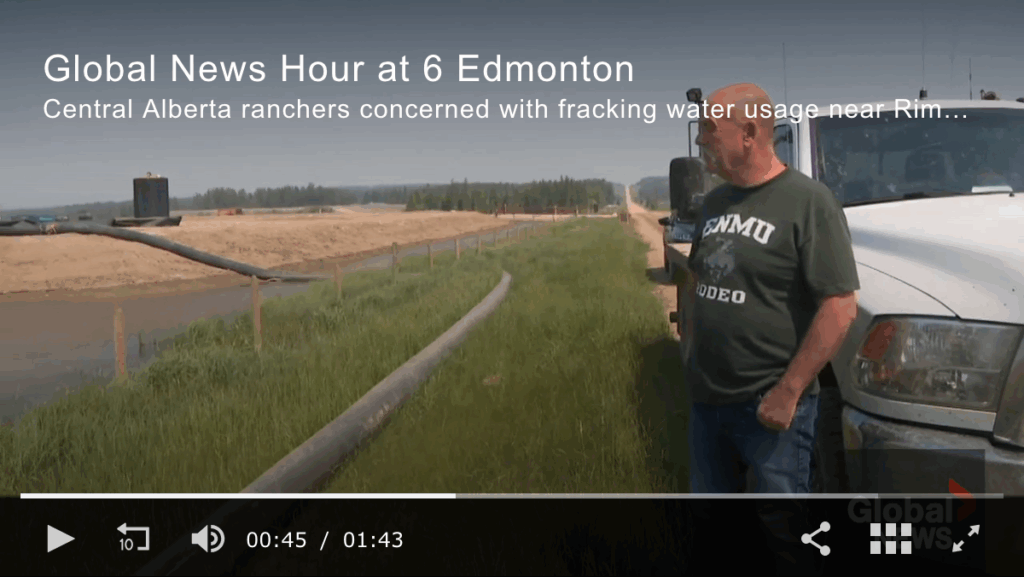
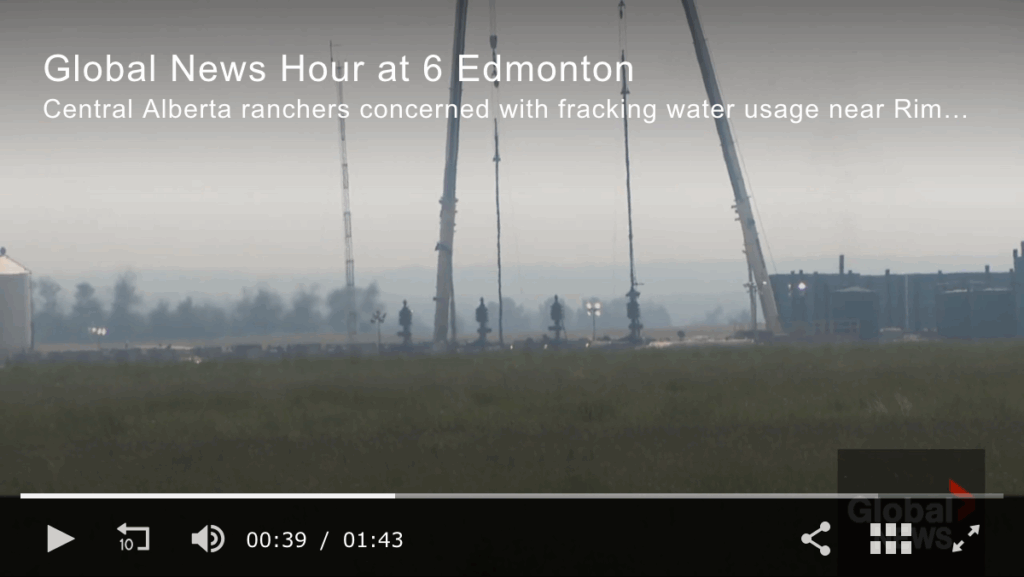
2013: Encana agreement to buy water for frac’ing from the town of Rimbey signed
… If a hearing is denied, a person can appeal to officials within the board, and any legal challenge must go to the Alberta Court of Appeal, not the lower Court of Queen’s Bench. The appeal court only has the power to send the decision back to the regulator for reconsideration, so “it sends up a never-ending loop,” …
And the fucking lying supreme court of Canada had the audacity to rule in 2017 that I ought to have asked for judicial review (the most corrupt judges in our country are of course – in the Oil and Gas Kingdom of Alberta). The first lawyer (Albertan) I hired (but did not file a lawsuit with for obvious reasons, he was a protect the industry no matter what dickhead to the 9th degree), demanded for my legal solution that I publicly apologize to Neil McCrank, then dirty Chair of the EUB, which had violated my charter rights, lied to me, bullied me, judged me a criminal and banished me from energy regulation for daring to ask for regulation – all without any hearing or trial or due process, and covered up every Encana crime.
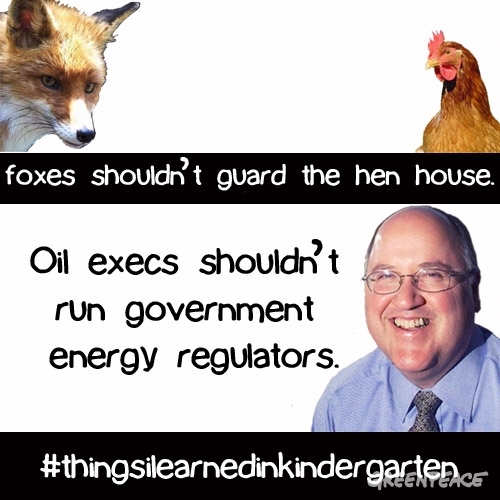
2012: Teck Resources Admits Polluting Columbia River For 100 Years; Damage To Be Assessed
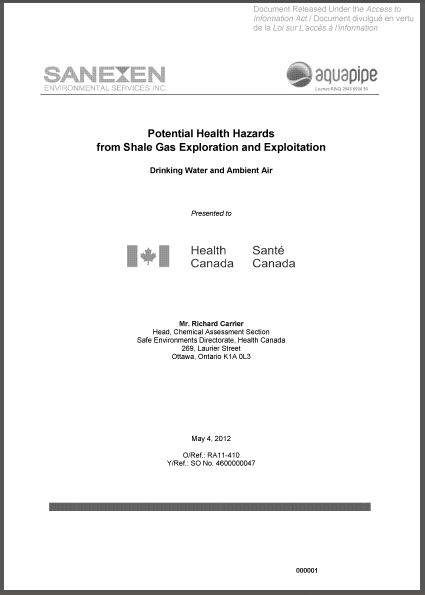
A proportion (25% to 100%) of the water used in hydraulic fracturing is not recovered, and consequently this water is lost permanently to re-use, which differs from some other water uses in which water can be recovered and processed for re-use.
2011: Canada Rewards Evil:

2007:
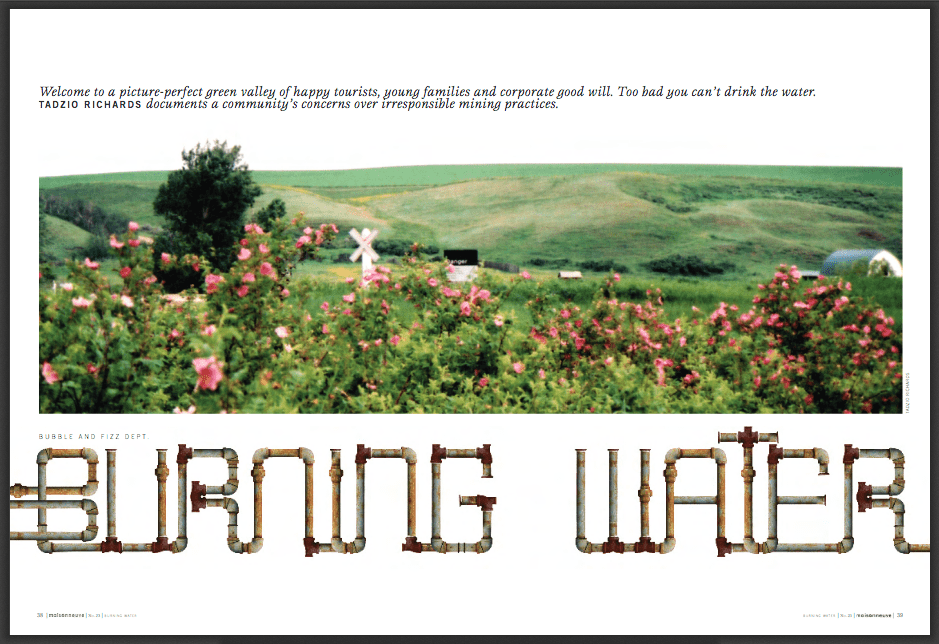
2006:
2005:
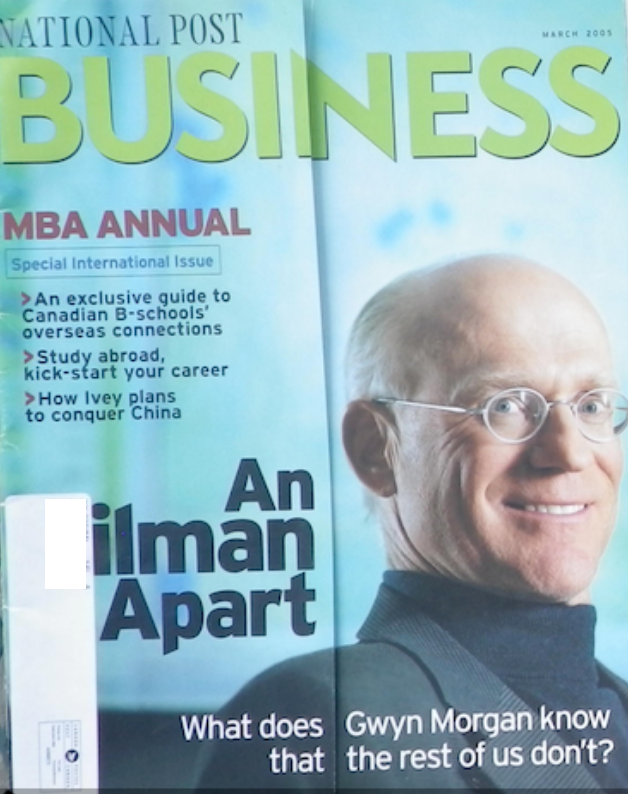
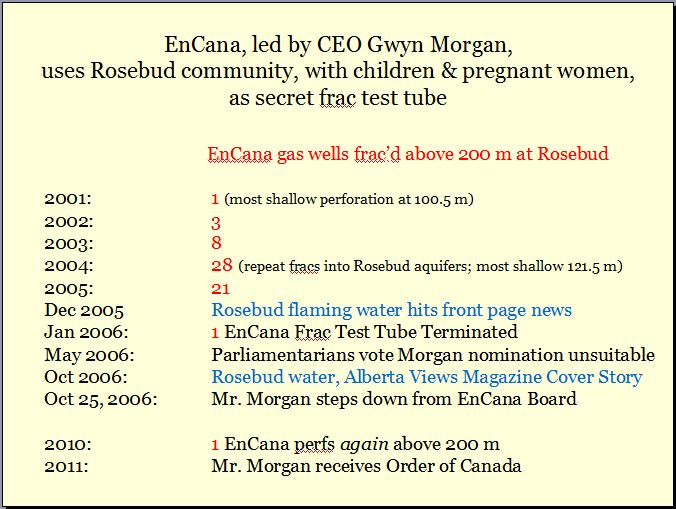
2003 & 2004: Encana illegally intentionally frac’s Rosebud community’s drinking water aquifers, contaminating them, rewarding its criminal CEO Gwyn Morgan a few years later with the Order of Canada!
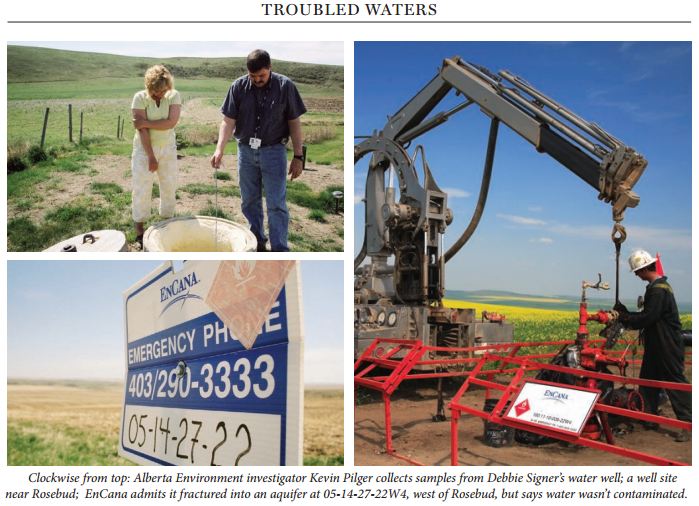
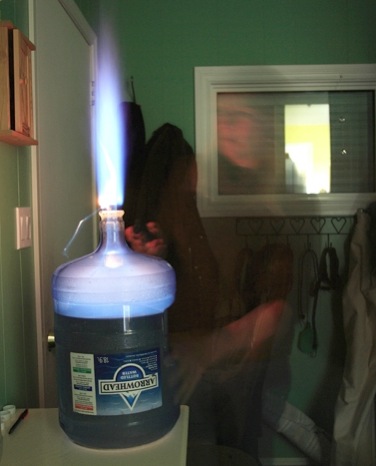
My water after Encana illegally frac’d our drinking water aquifers (chromium went up by more than a factor of 45, barium and strontium doubled, methane was at life-threatening levels and more). “Water wasn’t contaminated” my ass.
2005:
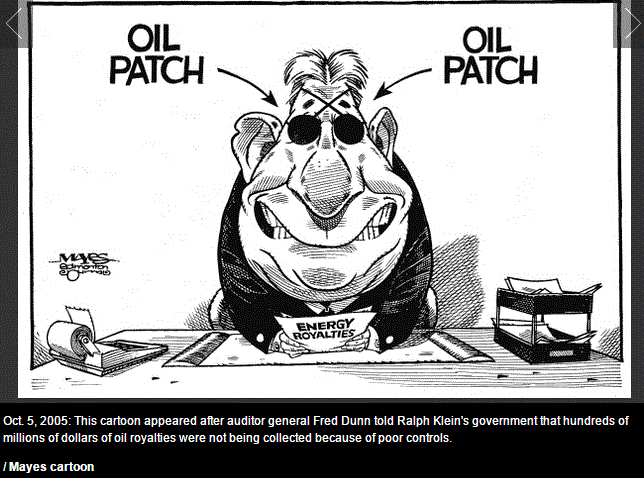
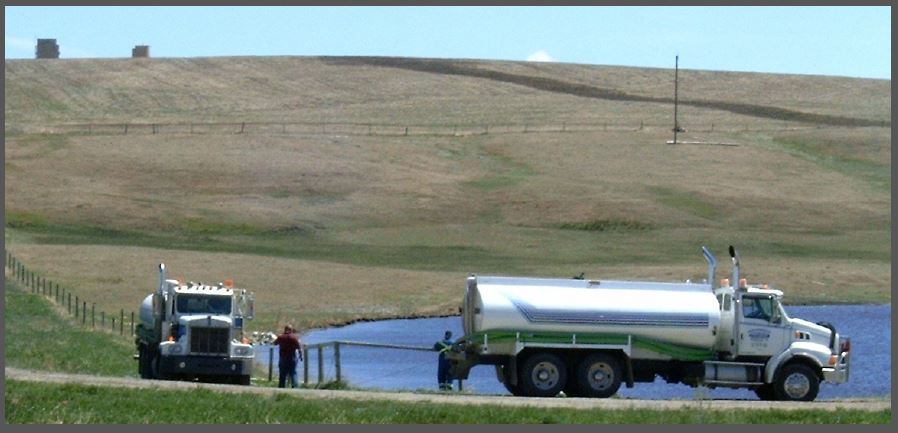
Rosebud: Encana taking water for drilling & frac’ing where it can grab it for free, of course.
Water for life on earth be fucking damned.
2004: Encana illegally intentionally repeatedly again frac’s Rosebud’s drinking water aquifers on another shallow gas well, also in groundwater flow to my water well, and again, cruelly, did not warn the community.
2002 CCME Report Groundwater Quality
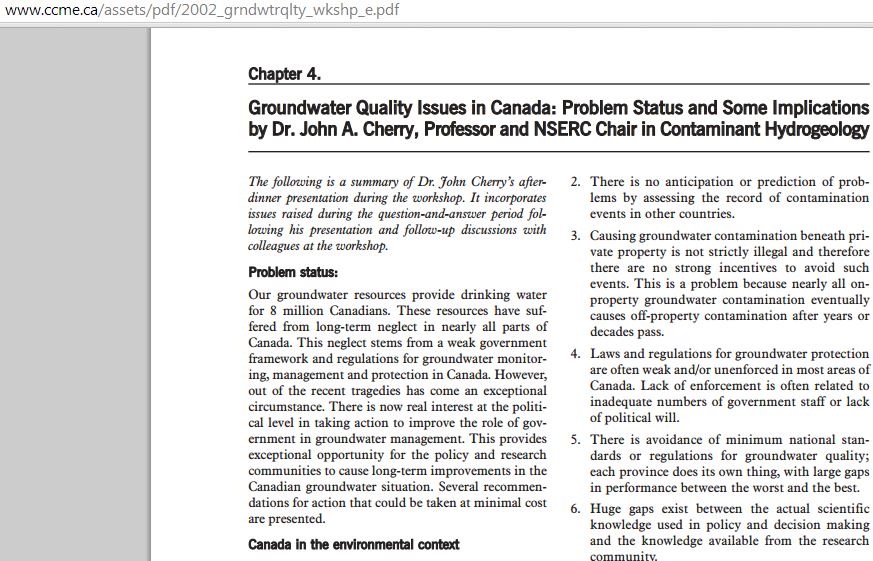
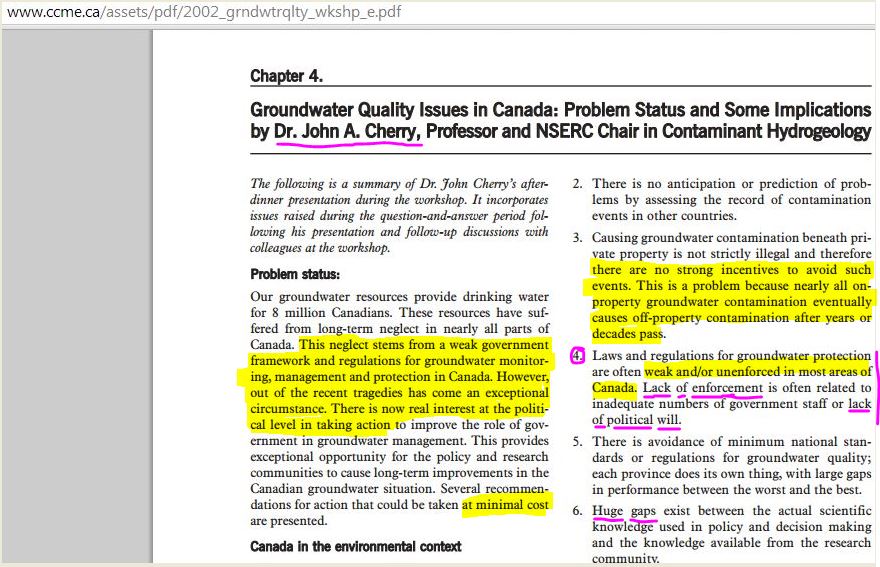
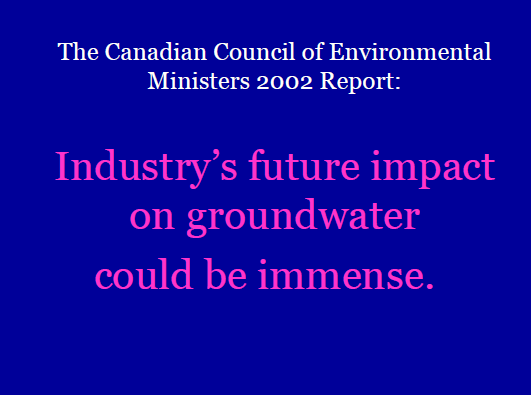
2002: Look at all those cruel ugly old rich white men! Gwyn Morgan, chair of the Hell Spawn Encana (was chair of Alberta Energy Corporation, most of the riches belonging to Albertans were given to Morgan by corrupt drunk Ralph Klein, which he morphed into rapist EnCana), at the head of the table, Gerry Protti sitting at the very left.
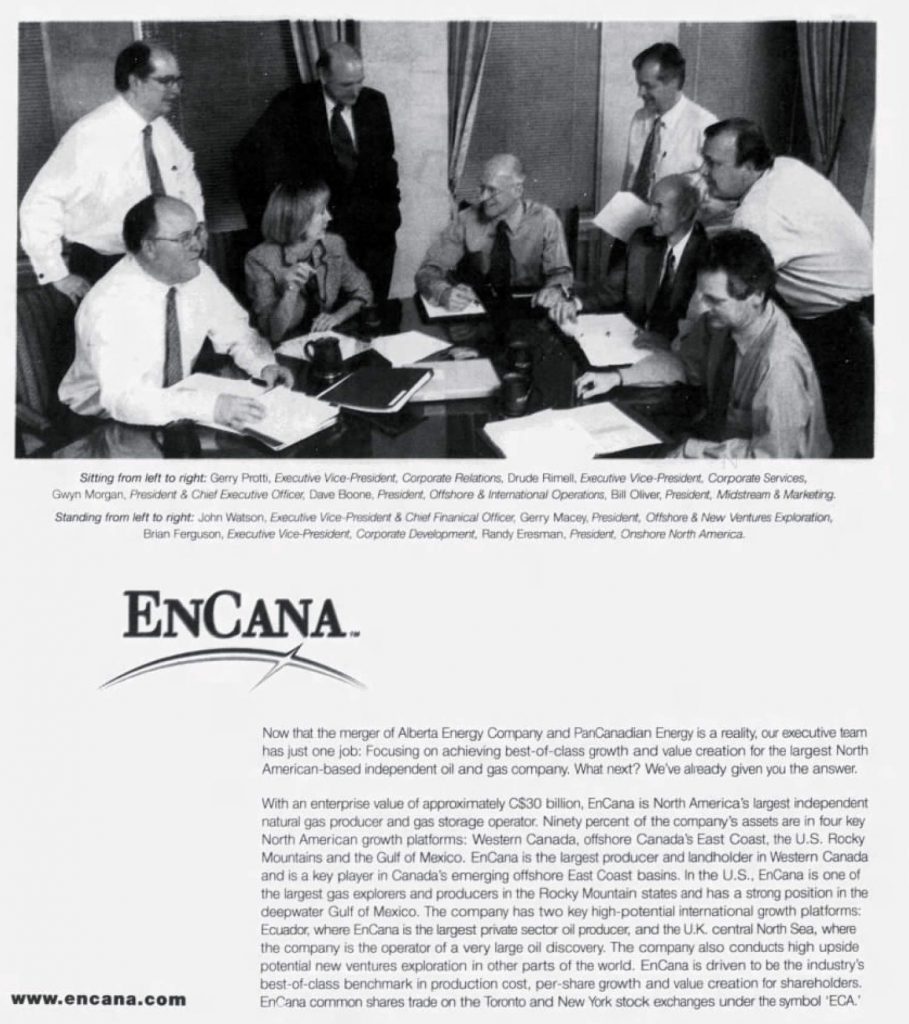
2001: Encana illegally frac’s Rosebud’s drinking water aquifers the first time, on a shallow gas well in groundwater flow to my water well, and did not warn the community.
1996:
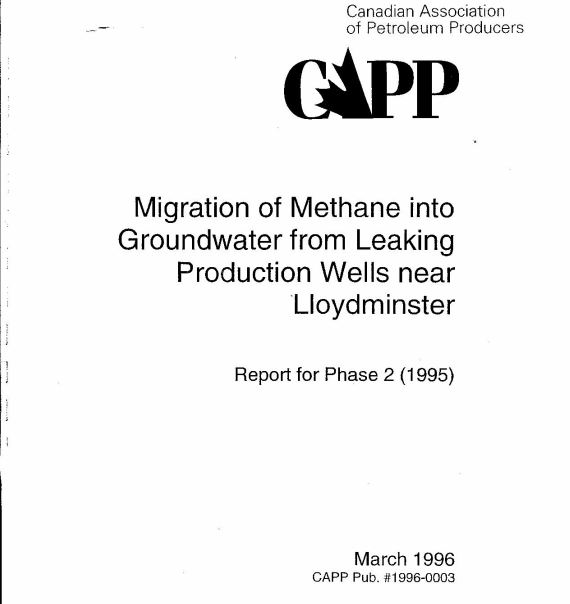
Raymond Protti is Gerry Protti’s brother:

1990:
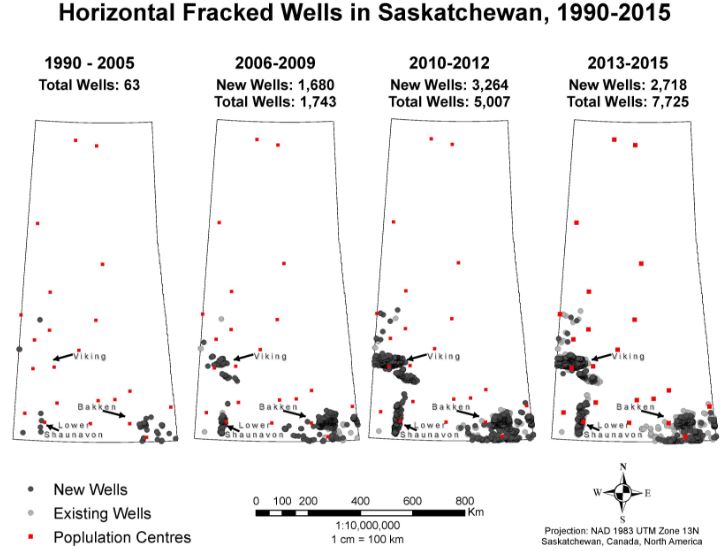
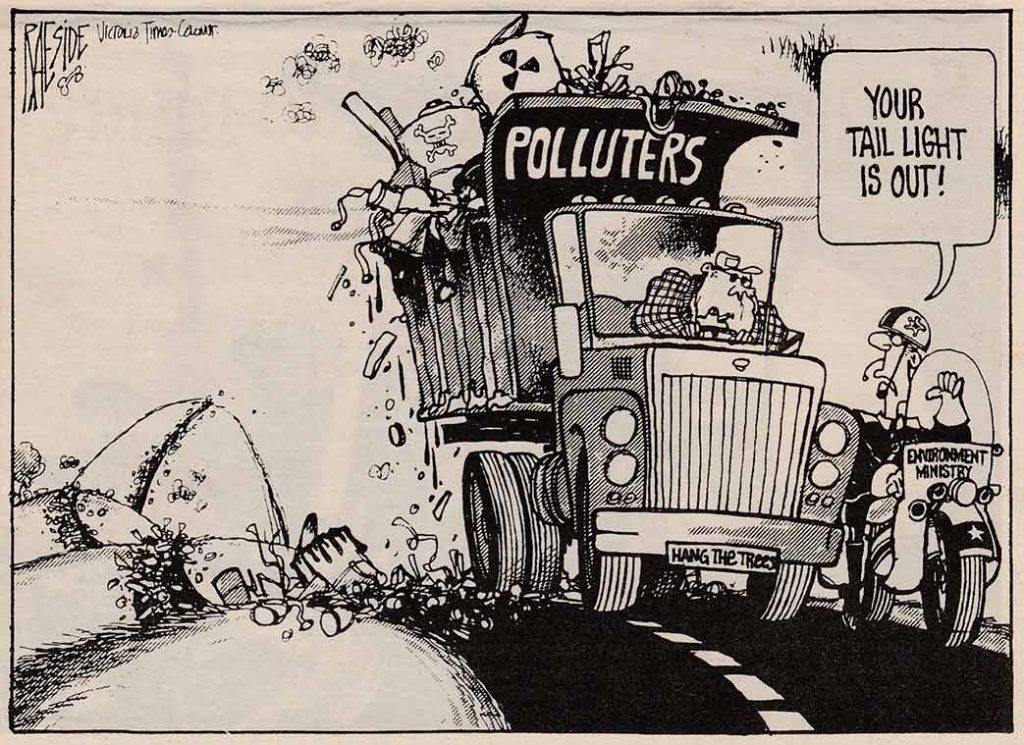
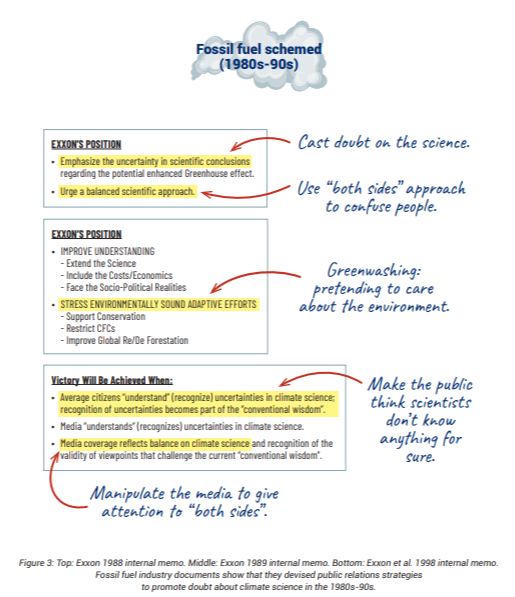
etc etc etc
Think of how many cities and countries dump their toxic sewage directly into rivers and lakes to make the rich more money. Fucking hideous cruel greedy insane species we are. We do not deserve to live on this magnificent planet.