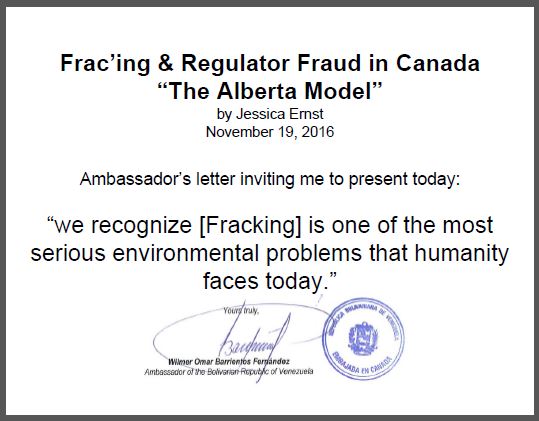
Ambassador of the Bolivian-Republic of Venezuela:
“we recognize [fracking] is one of the most serious environmental problems that humanity faces today.”
@oilfieldwitness.bsky.social:
@justinmikulka.bsky.social is quoted here about the health harms of the LNG industry. It’s the same story all over the world. “The decisions that Malaysia has made to invest billions in LNG is a big mistake, not only in terms of the environment and health, but also from an economic perspective.”
This interview happened before the Iran war which has led to many countries now realizing that betting their economy on imported LNG is a mistake.
@oilfieldwitness.bsky.social:
This article [below] notes:
“how hydraulic fracturing technology, which would be needed to extract most of the shale bed methane, has improved over the past decade”
In the past decade we’ve gotten a lot more info on what a disaster fracking is for local air, water and living things.
Fracking battle at the Super 8: Nova Scotia’s public consultations on natural gas exploration off to loud start by Aaron Beswick, Apr 21, 2026, The Chronicle Herald
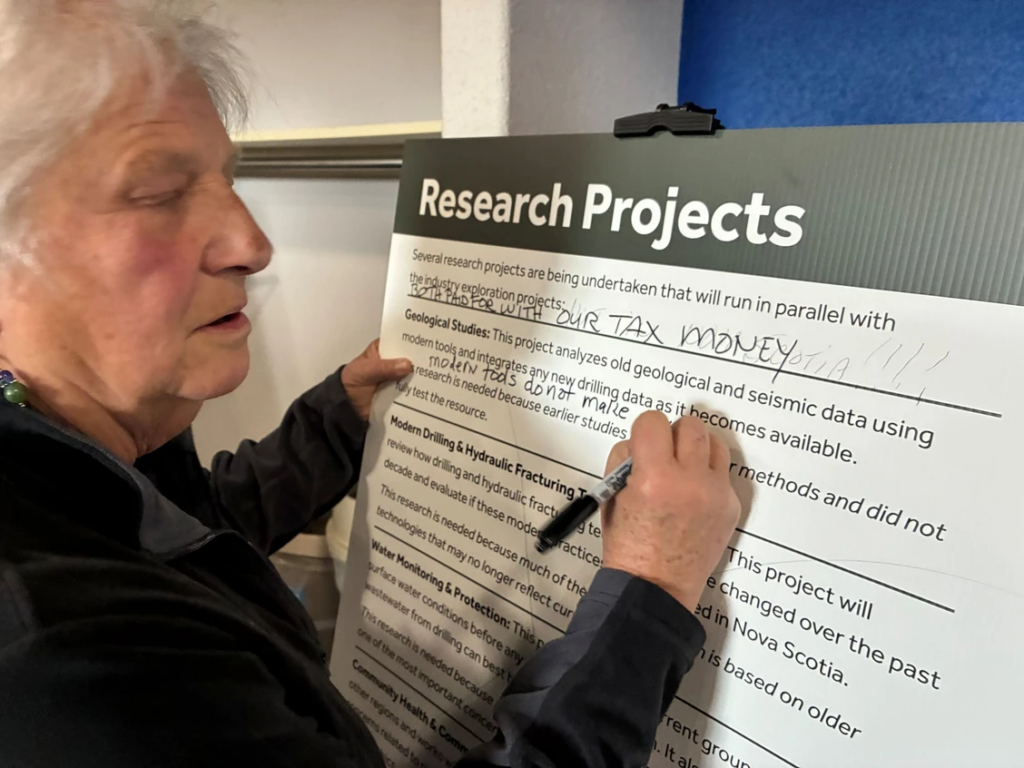
Jocelyn Marchand ‘corrected’ provincial government information boards at the public consultation using a black marker. Photo by Aaron Beswick /The Chronicle Herald
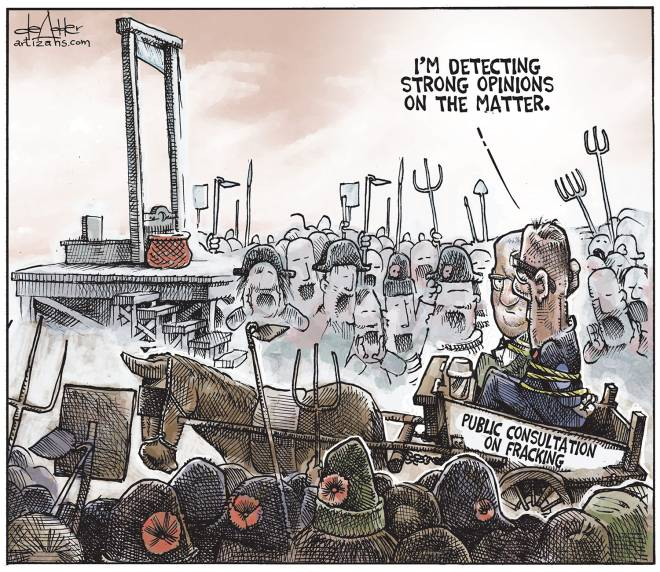
The lines of the fracking battle to come were drawn through Windsor’s Super 8 on Monday evening.
In the hotel foyer, members of the Nova Scotia Fracking Resource and Action Coalition handed out pamphlets warning of earthquakes and dangers to groundwater and public health.
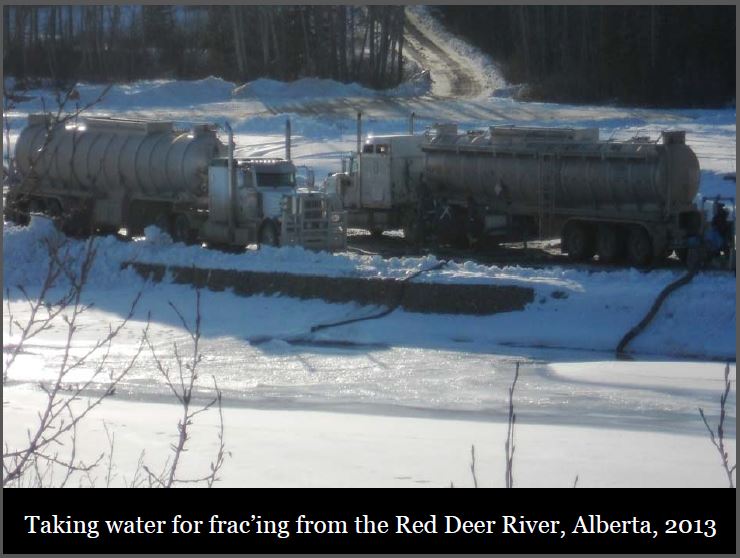
Inside the conference room, posters lined the walls telling of how Nova Scotia’s large untapped natural gas reserves could be used to help get us off coal, the economic benefits it has meant for Western Canadian provinces WTF tall tales are you spewing here. The benefits have only been for the rich polluters and water destroyers, not the provinces or the landowners hosed with leaking wells, toxic fumes, contaminated homes and farms, dead livestock, sick kids, well water too dangerous to bathe or even to flush toilets with, etc etc etcand how hydraulic fracturing technology, which would be needed to extract most of the shale bed methane, has improved over the past decade.The only “improvements” are for the rich, the few jobs that frac’ing might have provided if crews didn’t bring their own workers, have been automated so they’re gone, saving the rich heaps of money (but the buggers still demand and get billions of our tax dollars as special grease the palm favours by our corrupt politicos. 25-100% of the water injected is still lost permanently from the hydrogeological cycle, the fumes off the crews are still cancer and asthma causing, the deadly chemicals injected are still secret, and the waste is still dumped on our croplands and illegally into creeks, rivers and wetlands. Rivers were going dry in Alberta due to severe drought caused by global warming, still our “regulators” and politicians let frac companies ruthlessly keep sucking out water, most of which would be lost forever.
Representatives of the Subsurface Energy R&D Investment Program, the provincial government and Dalhousie University were placed between the posters to lie and propagandizeanswer questions.
“It’s a decade since we’ve talked about this as a province,” said Kim Doane, executive director of energy resources for the Department of Energy.
“We want to approach this from a research lens, understand any new technologies and look at all angles of the (onshore natural gas) industry.”Liar. You want to bulldoze frac’ing on Nova Scotians, knowing damn well that none of the harms and impacts can be honestly and appropriately mitigated. And, just like last time (e.g. Triangle), the frac’ers will not clean up leaving $millions or $billions in clean up costs on the taxpayers and frac’d-free leaking methane escalating pollution causing climate change, and putting lives at risk via explosions. It’s guaranteed that the province will only lose money, while the rich (mostly foreign, likely mostly American rich) get richer.
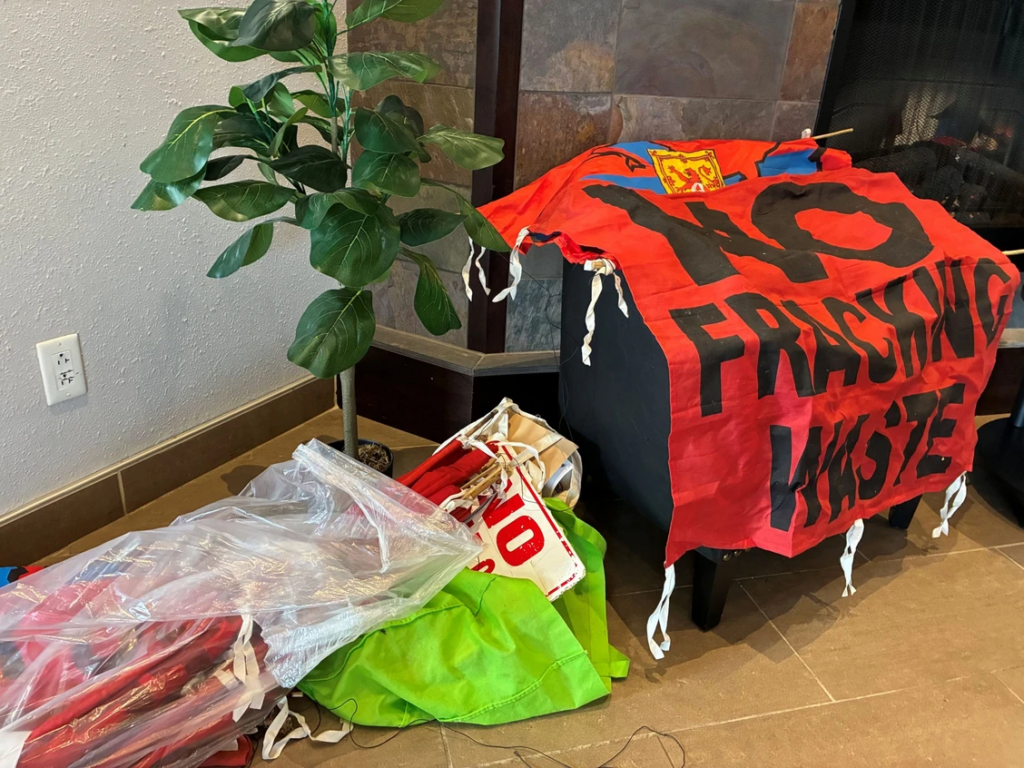
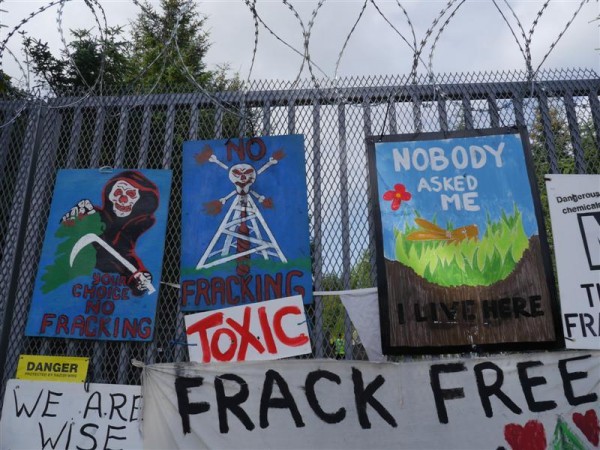
Flags and posters opposing fracking were handed out by members of the NoFrac coalition at the first public consultation on onshore natural gas exploration held Monday at the Super 8 in Windsor. Photo by Aaron Beswick /The Chronicle Herald
As Doane spoke, a man began yelling, “Government lies! Government lies!”BRAVO!!!! Nova Scotians know.
A significant percentage of those packing the conference room began chanting, “No frack! No frack!” as they unfurled banners collected in the foyer.
With little else audible, Doane muttered, “Some people don’t want anything.”Oh you pathetic lying frac prostitute. Grow up
The whole process, with representatives of the same groups on both sides, will be repeated Wednesday from 5-7 p.m. at the Amherst Fire Hall and the same time Thursday at the Pictou County Wellness Centre.
There is also an online public consultation Tuesday from 2 to 4 p.m.
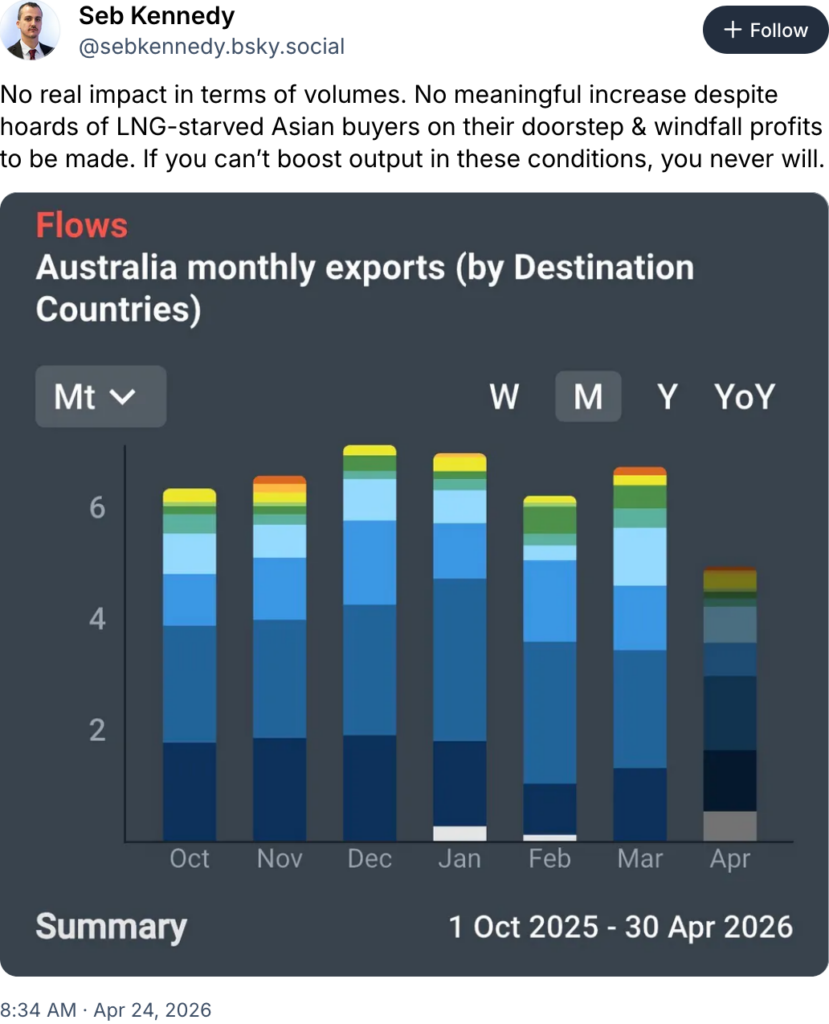
- Nova Scotia burned Australian natural gas this winter despite having it under our feet
- Project approvals, new legislation fuel optimism in Nova Scotia’s mining future
Round 2
We’ve been through this before.
After two years of research and public consultations, the Independent Panel on Hydraulic Fracturing, composed of academic, provincial government and industry representatives, delivered what became known as the Wheeler Report in 2014.
It advised, among other things, against allowing hydraulic fracturing in Nova Scotia without community support, as well as the creation of a regulatory regime to oversee it.
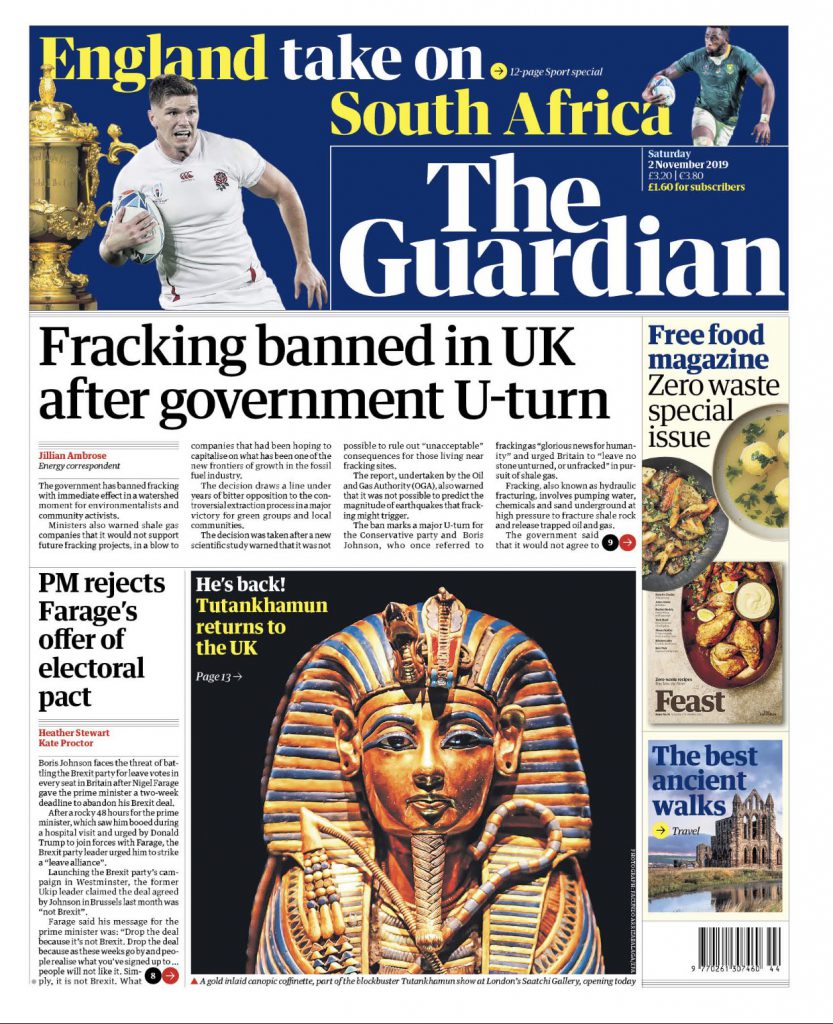
Within a day of receiving the report, the provincial Liberal government issued a blanket ban on hydraulic fracturing.
In the 12 years that followed, Nova Scotia has continued to rely primarily on coal shipped from South America and paid a premium to import fracked natural gas from the United States to generate most of its electricity.Time then to turn into adults, quit whining, and use the money wasted on polluters to pay to switch to sun, wind and EVs
In February, the Maritimes and Northeast Pipeline that supplies Nova Scotia’s natural gas-powered generating facilities, industries and homes was charged with natural gas that arrived from Australia via an LNG tanker docked in Saint John, N.B.That’s really fucking stupid.]
“Landed in New Brunswick, that gas probably cost $10 to $12 (in U.S. currency per million British thermal units) at that time,” Dane Gregoris, managing director at Calgary-based Enverus, told The Chronicle Herald.
The price at Alberta’s AECO hub, meanwhile, was $1.19 per million BTU.

Days after the Maran Gas Hector’s arrival, the United States attacked Iran and natural gas prices more than doubled.of course done intentionally by the Pedo Trump regime to precisely drive up energy costs to make Trump and his viciously corrupt kkklan $billions in free money, and fatten up the already fat oil and gas barons. Had and has nothing to do with making anything better for Iranians. Israel gets richer, Putin gets richer, Trump et al get richer, and the companies make tens of $millions for nothing!
@justinmikulka.bsky.social:
“Syed Raza Mohsin, founder of VLEKTRA Electric Motorcycles, said he expects battery-powered two-wheelers to account for 10% to 15% of the market in 2026, up from less than 1% two years ago”
Iran War Is Pushing Consumers to Break Up With Fossil Fuels
EVs, solar panels, induction stoves and heat pumps, now cheaper than ever, are becoming more attractive as the conflict upends oil and gas markets.
www.bloomberg.com
“Solar is a very good example of how private citizens themselves found a solution for high energy prices,” he said. “We are seeing similar trends in motorcycles.”
Naseer said two fleet operators have placed orders since the Iran war started. “We are so petrol reliant, so people are finally figuring it out that we cannot rely on this anymore,” he said.
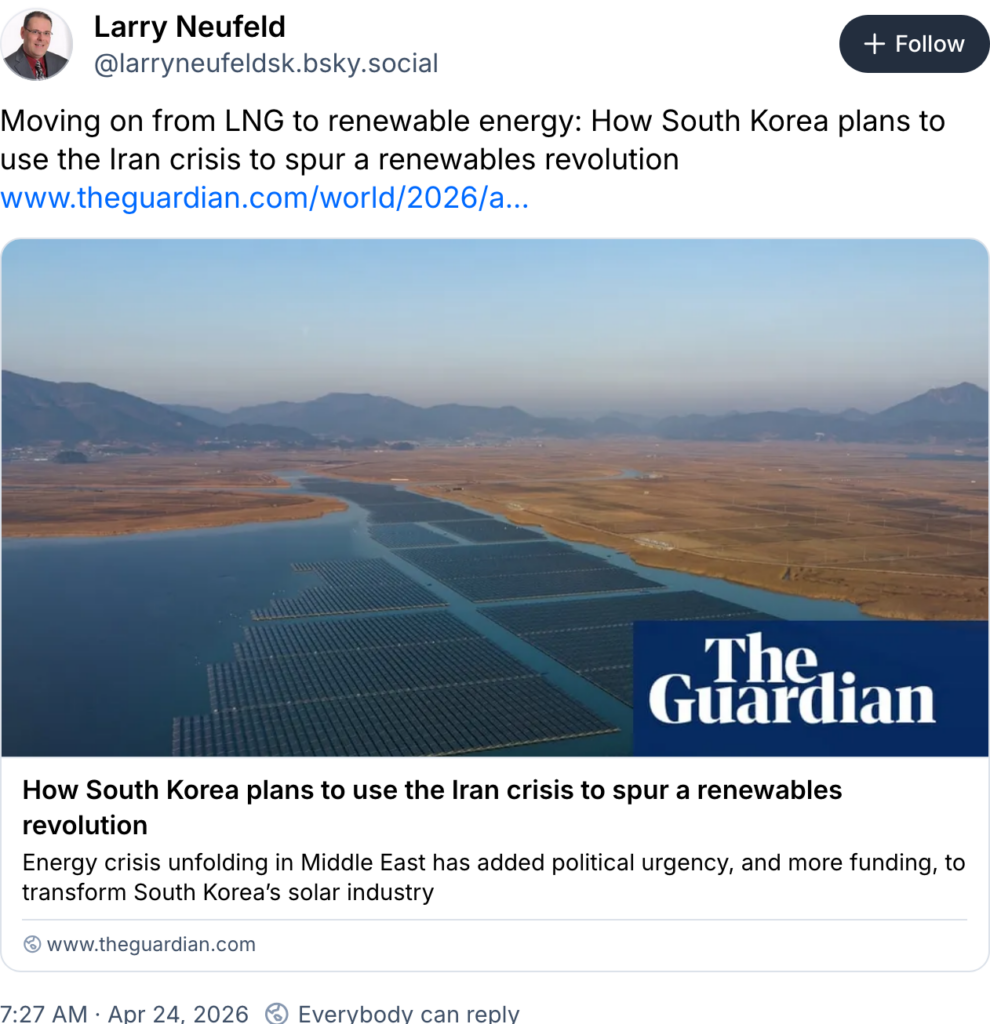
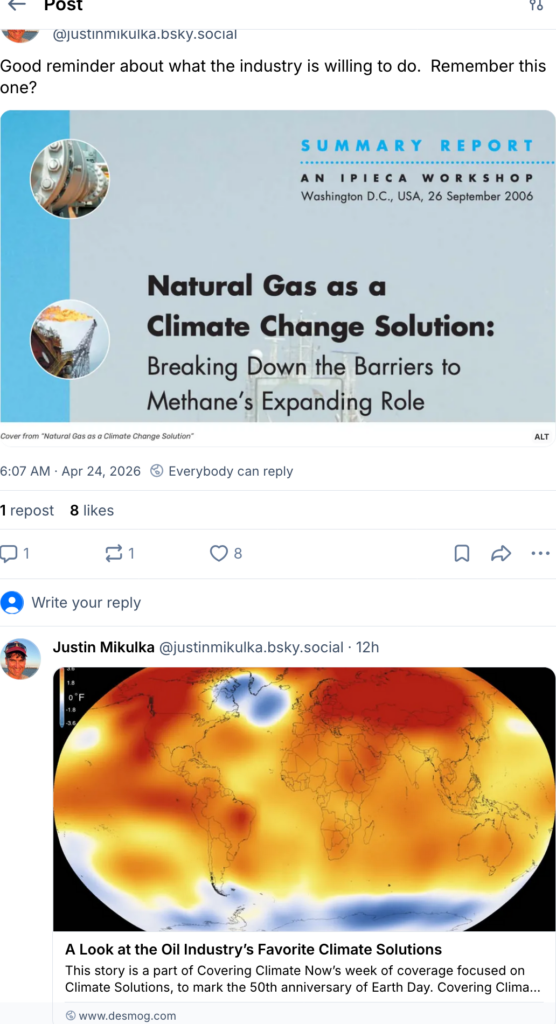
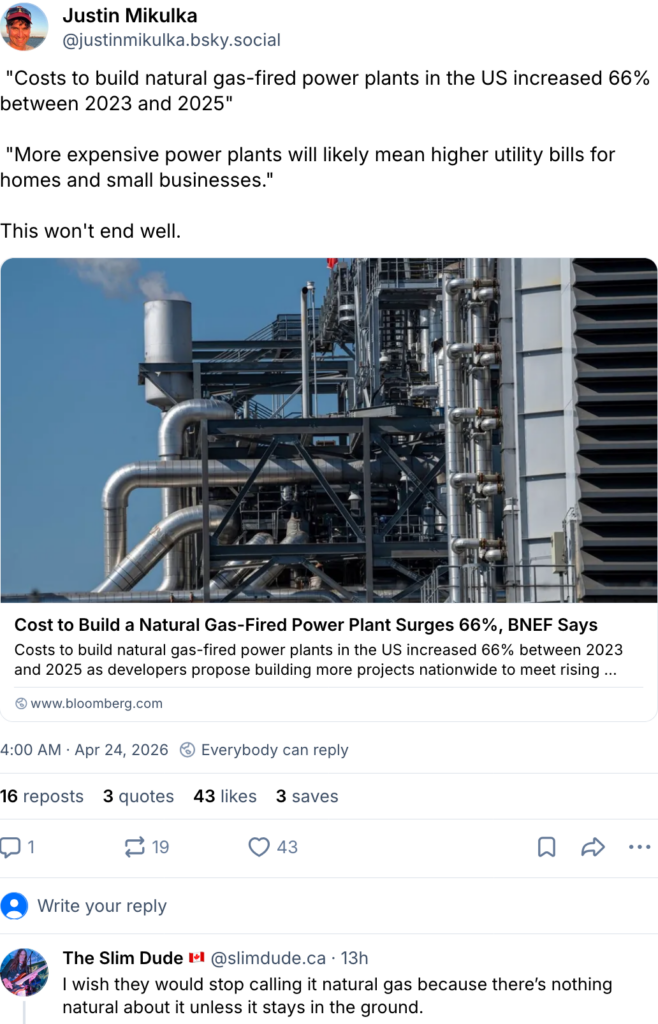
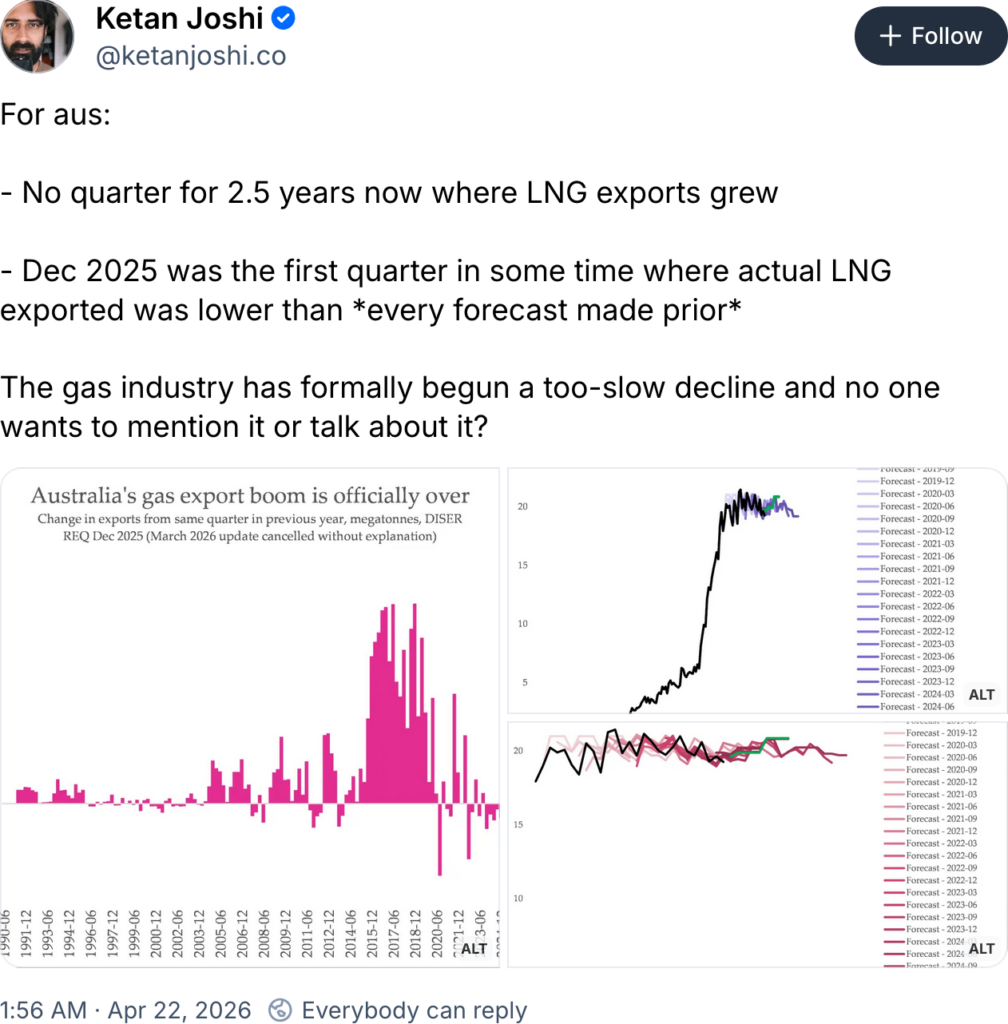
@josiahmortimer.bsky.social:
Britain’s Solar Revolution Is Here and We Should Be Shouting It From the Rooftops
Ed Miliband is helping to turn the country into a nation of ‘solar zealots’ and I’m enthusiastically along for the ride. Thankfully I’m not alone.
Britain’s Solar Revolution Is Here and We Should Be Shouting It From the Rooftops
Ed Miliband is helping to turn the country into a nation of ‘solar zealots’ and Josiah Mortimer is enthusiastically along for the ride
Ed Miliband is having a bit of a moment. On Tuesday, the Energy Secretary gave a speech with one overriding message:
“Every solar panel we put up, every wind turbine we build, every heat pump we install, every EV on the road makes our country more secure.”
@erinsikorsky.bsky.social:
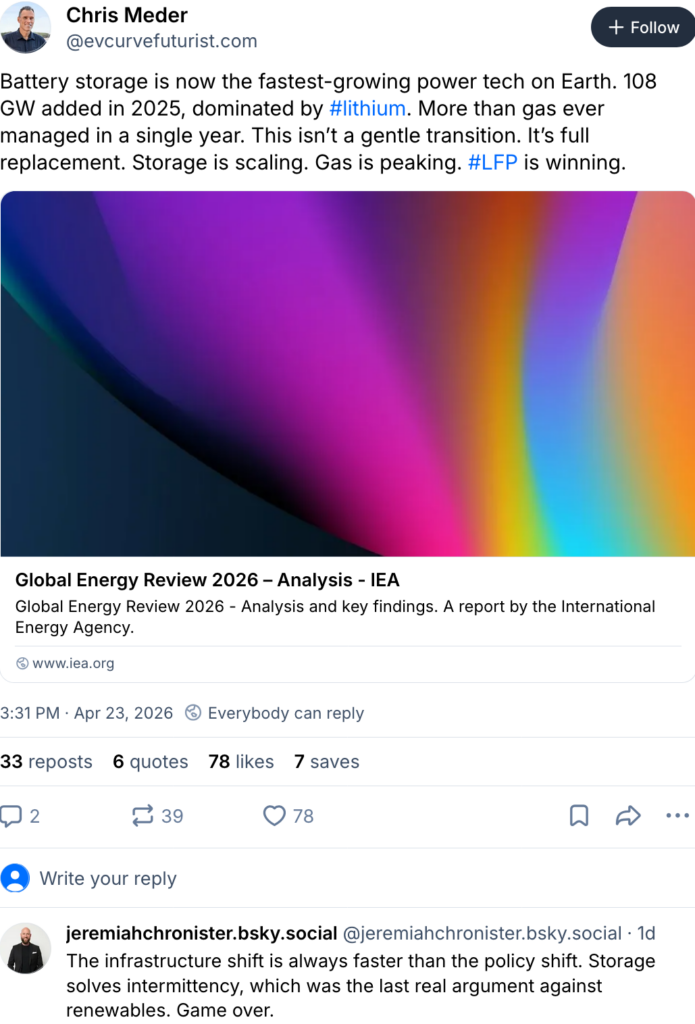
Wild statistic!
“Sales of fully electric vehicles soared by 49 percent, with plug-in hybrids also jumping 20 percent.”
@huitcent.bsky.social:
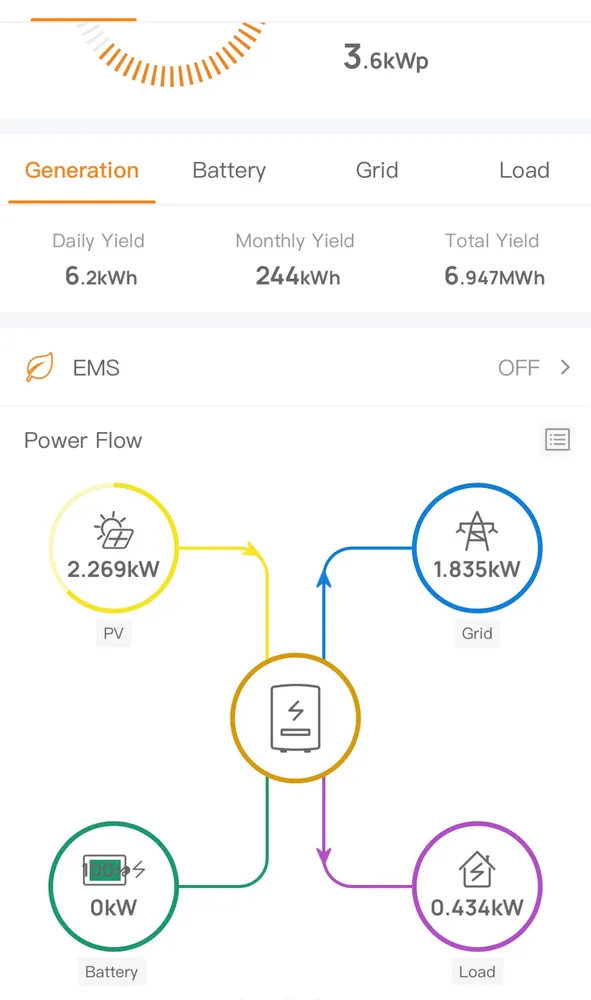
We invested a part of our pension in a small solar array and battery, we have generated 6.2kW so far today and exporting to the grid. Our bills are very much reduced and with an EV we fill it with cheap rate overnight electricity.
While the province works toward dumping coal and producing 80 per cent of its electricity from renewable sources (47 per cent of which will be onshore wind) by 2030, the plan relies heavily on natural gas to balance the grid when the wind isn’t blowing.No! No! No! Invest in storage and batteries instead! Frac’ing has not improved, other than to kill jobs via automation making rich frac fuckers richer!
On Monday morning, the Wheeler Report’s eponymous lead author took to LinkedIn to blast the current process.
“I am not aware of any significant scientific or engineering advances that would materially affect the risk matrix we established through exhaustive literature reviews and debate within our panel, with the principal exception of climate impacts which have become significantly more evident in the years since 2014,” wrote David Wheeler.
“Minor improvements in drilling efficiency or water use do not affect the potential for serious environmental, social and public health risks arising through accidents or other failures caused by drilling contractors.”And where will the frac sand come from? Will it be radioactive and cause severe harms and pollution in the communities where it’s mined?
Wheeler, who served as Cape Breton University’s president and is now at consultancy firm Sustainable Solutions, criticized Dalhousie University for leading Premier Tim Houston’s project to lure investment in onshore natural gas exploration.
“Most troubling of all is the role that is to be played by Dalhousie University which has accepted responsibility for a) selecting hydraulic fracturing proponents, and b) paying incentives for the drilling of experimental wells,” wrote Wheeler.absolute douche bags. Are they American Republicans or Alberta Evangelicals?
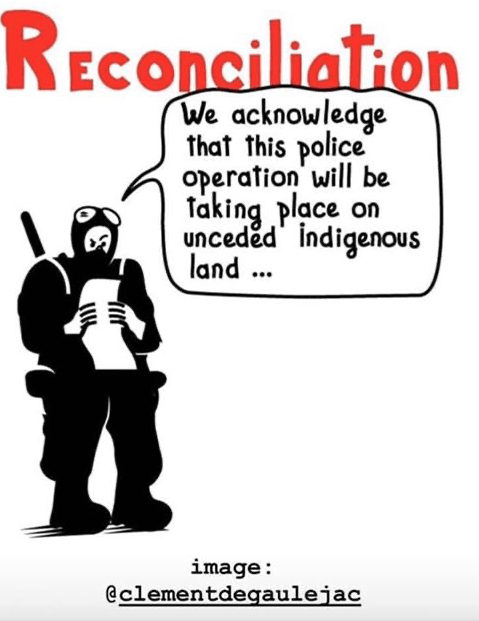
“This makes the university an active participant in the fossil fuel industry, rather than an objective, independent research organization. This is unprecedented for a post-secondary education institution.no — U of Calgary and Alberta, Mount Royal, SAIT and NAIT in Alberta are grand prostitutes serving polluting fossil fuel corps, they don’t even use condoms or get tested for STDsAnd given the clear opposition of Mi’kmaq leaders to this initiative, I believe this project seriously undermines the university’s stated commitment to reconciliation.”
University’s involvement
At Monday’s public session, Graham Gagnon, Dalhousie University’s vice-president of research and innovation, nodded and listened as he was confronted by a series of concerned citizens.
“Dalhousie University sees itself as a civic university,” said Gagnon.not any more you douche fucker. You’re a hooker organization.
“Society has questions for a range of scientific and engineering problems. We see it as our responsibility to support that discussion with research.”You are not supporting with research!! You and your fellow Dalhousie hookers are betraying the Mi’kmaw, Nova Scotians, water, land, air, and the future of life on earth, and for nothing!
Under December’s agreement with the province, the university is administering a $30-million fund meant to kickstart the oil and gas industry. The majority of that fund will go to subsidize oil and gas exploration by companies that responded to a request for bids that closed last week. See. Dalhousie is nothing but frac pimps, hookers, traitors to water and life.
Dalhousie University is evaluating the responses and will make recommendations to the provincial government, which will then negotiate exploration agreements with the companies.All with no condoms!
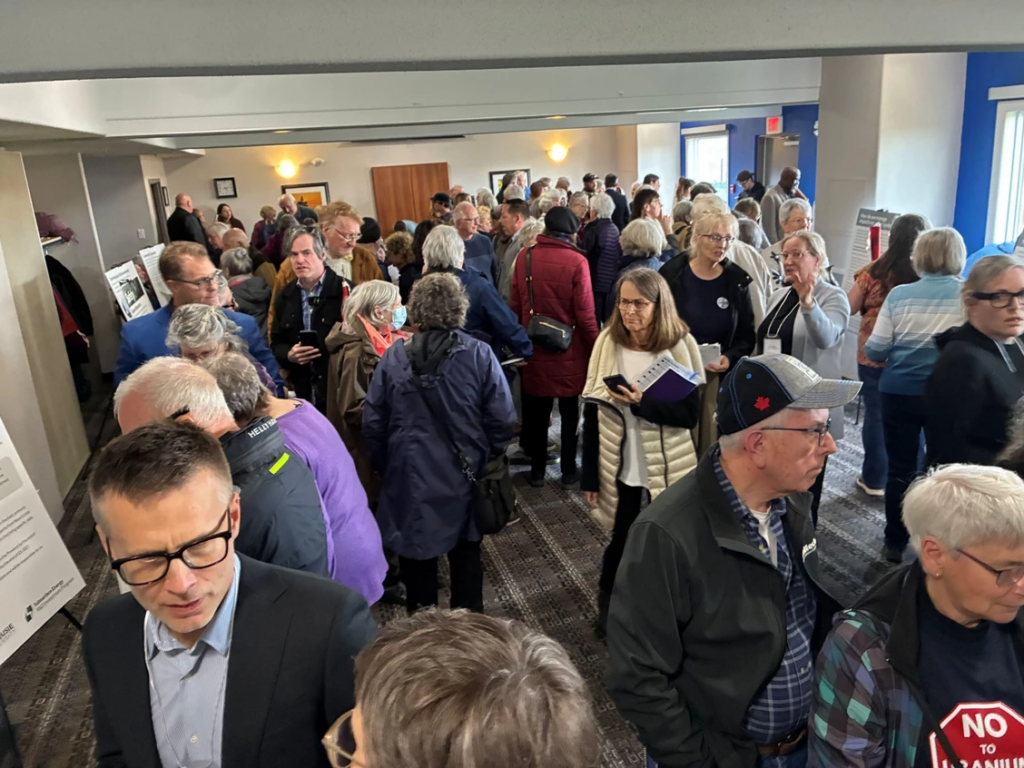
The first of three in-person public consultations was held in Windsor on Monday. Others will be held in Pictou and Amherst this week. Photo by Aaron Beswick /The Chronicle Herald
Doane said the province has an updated regulatory regime in place and ideally would see exploratory drilling by year’s end.Frac’ers and oil and gas companies ignore regulations and laws – that’s common knowledge and is one reason smart jurisdictions ban frac’ing.

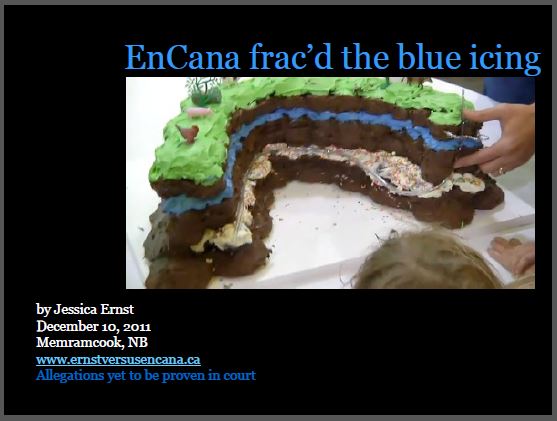
Slide from Ernst presentations
“But that is optimistic,” she added.
All data collected will be compiled and reviewed by Dalhousie University, which is tasked with providing a report to the government by the end of the year.I would not trust a fucking thing coming out of that frac-corrupted university, if one can even call it that anymore.
That report is meant to answer whether the seven trillion cubic feet of “recoverable” natural gas reserves identified through prior drilling programs, primarily in Cumberland, Hants and Pictou counties, can be gotten at profitably.Frac’ing is not profitable – industry bloats reserves and profits – always – and lies – always – about the billions of dollars in damages and harms to public health, communities, water and more. There is nothing good about frac’ing – and then there’s the radon released by frac’ing getting into homes and businesses and the leaking methane
According to the wording of the agreement with Dalhousie, it will be up to the provincial government what is released publicly from the report, which will then be used to attract oil and gas investment.That rot right there discredits anything Dalhousie says or writes. Fucking idiots.
The field
While the arguments and players in the looming battle over fracking remain largely the same, the field of struggle has changed. We’ve been through a pandemic, a housing crisis and years of inflation that have pinched the pocketbooks of Nova Scotians. The rising cost of electricity has come to dominate headlines.So go solar! Waste and use less! Do not allow any AI or datacentres – they only waste energy and water making Nazi stolen lying error-laden slop that composts thought, learning, creativity, brains, spirituality and souls.
Over the past decade, Nova Scotia’s gross domestic product per capita has declined relative to the rest of North America and was the second lowest of any province or American state in 2025 (New Brunswick had the lowest). The province’s recently released budget includes sweeping cuts and a $1.29-billion deficit.Ya, well, that’s because your premier is a fascist idiot.
U.S. President Donald Trump’s threats to crush Canada’s economy loom large as his commerce secretary continues to signal that America has little interest in renewing the CUSMA free trade agreement this summer, threatening more financial hardship.So what? WTF with this cry baby shit. We have it way too good in Canada, for people to be frightened of a fat stupid old white man slob. He rapes kids, not Nova Scotians. Tighten your belts up, we’ve been through much worse than Trump and Covid.
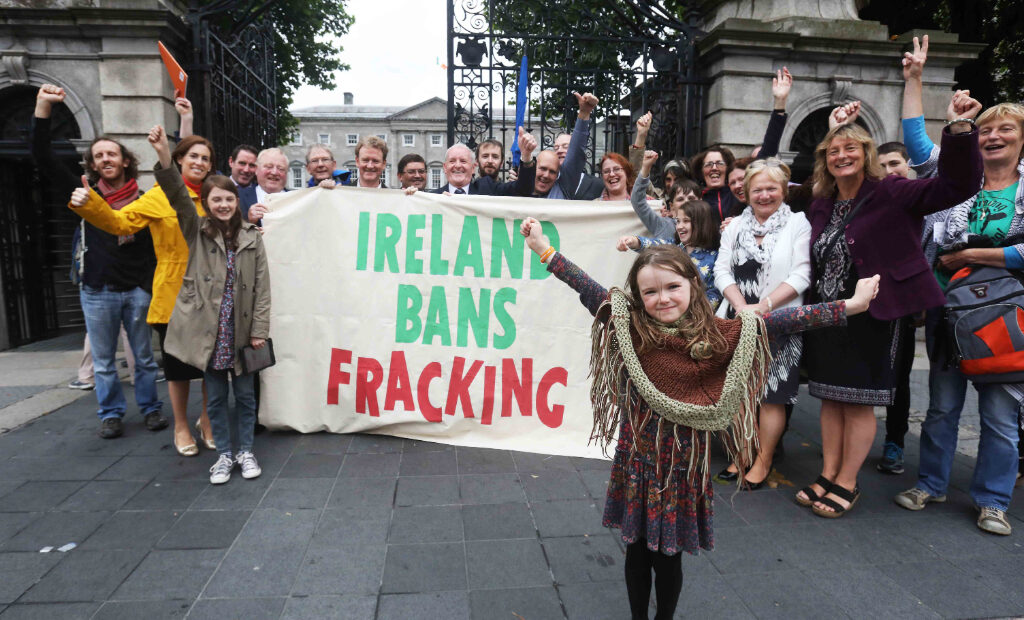
Armed with a supermajority governmentWell, Nova Scotians were super stupid to vote in such a nasty inhumane human. You will suffer, lots, for your shit voting, Houston is pushing onshore natural gas as a potential economic driver that could wean us off imported natural gas, create jobs and bolster provincial coffers.Frac’ing will bankrupt Nova Soctia and likely drive away tourism, which brings in decent money. I told the Irish, “Look to what you might lose if you allow frac’ing, not to what the slippery tongues say you will gain.”
“Previous governments made the decision to shut down our industry and import fuel,” said Houston while announcing the agreement with Dalhousie University.You ought to listen to those previous govt’s and those of your neighbours.
“That contributed to driving up electricity costs while sending jobs elsewhere. I disagree. Life happened, some really shitty life happened. And stop with the jobs bullshit. Nova Scotians have been working (and dying) in Alberta’s tarsands for decades. Rewable energy provides much better jobs, jobs that don’t sicken and kill the workers That makes no sense. Developing our own resources to fuel our own energy needs will help combat the rising cost of heat and power and create good-paying jobs here at home. That’s why we are working with Dalhousie to understand how to do this safely.”It is impossible to frac safely, anywhere on earth. If your bought university of your gov’t says otherwise, they’re lying. Costs of heat, power and food and supplies will keep rising especially if you allow frac’ing and AI.
Questions
With the lines drawn firmly, fracking’s future in Nova Scotia will hinge on answers to the following questions:
- How will Nova Scotians balance the potential environmental impacts of fracking against financial benefits what fucking financial benefits? You guys are on drugs after all they’ve been through over the past decade?And what’s with this terrorizing Nova Scotias into allowing themselves to be raped and poisoned by frac’ing? Stop it.
- Is the resource financially viable?No.
- Even if it is, would an industry that was driven out in 2014 be willing to return?Sure, for huge subsidies. Frac’ers never work on their own profits because frac’ing is not profitable. Frac’ers will come because Houston is stupid enough and Carney is evil enough to pay them to come with billions of our tax dollars.
The provincial government is seeking to move fast and push hard.And only a foolish man rushes in.
The members of the NoFrac citizens group at the Super 8 all said they’re ready to fight its return.GOOD
“It’s the government of Nova Scotia pretending to community consult when it isn’t,” said Jocelyne Marchand as she used a black marker to systematically “correct” information signs around the conference room pitching onshore gas exploration
“Our premier feels he can do whatever he wants. We as a population are reduced to doing this kind of stuff, defacing signs and chanting.”
As chanting renewed, Billy Thompson led his son out of the meeting.
“Oil and gas put food on my table my entire life,” said Thompson, who moved to Nova Scotia with his wife and children a few years ago after 26 years in Alberta’s oil patch.Why the hell didn’t you stay in frac’d to hell toxic sour gas fuming running out of water Alberta?
“You look at the age group of the people in that room. They all look like retired people. They don’t need a good job. They don’t need industry. They probably have homes that are paid for.”
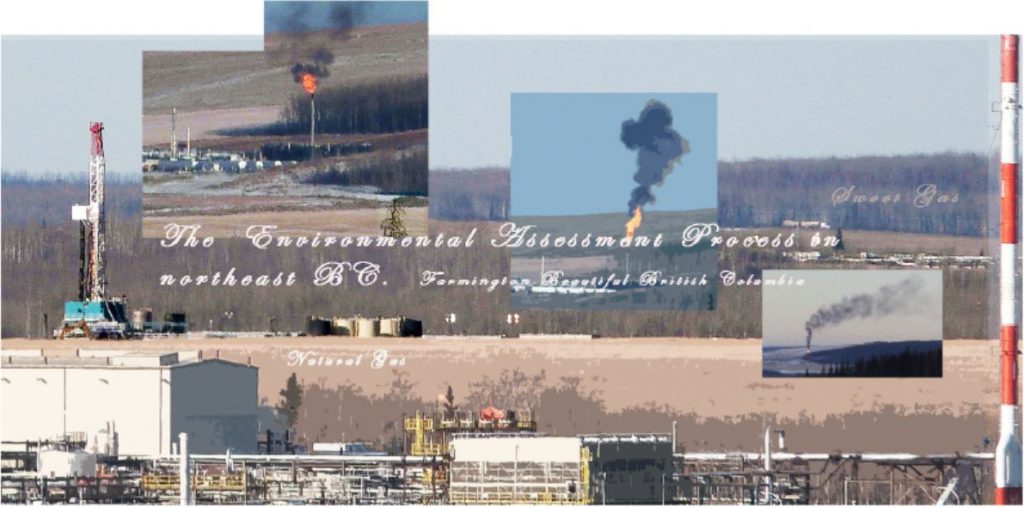
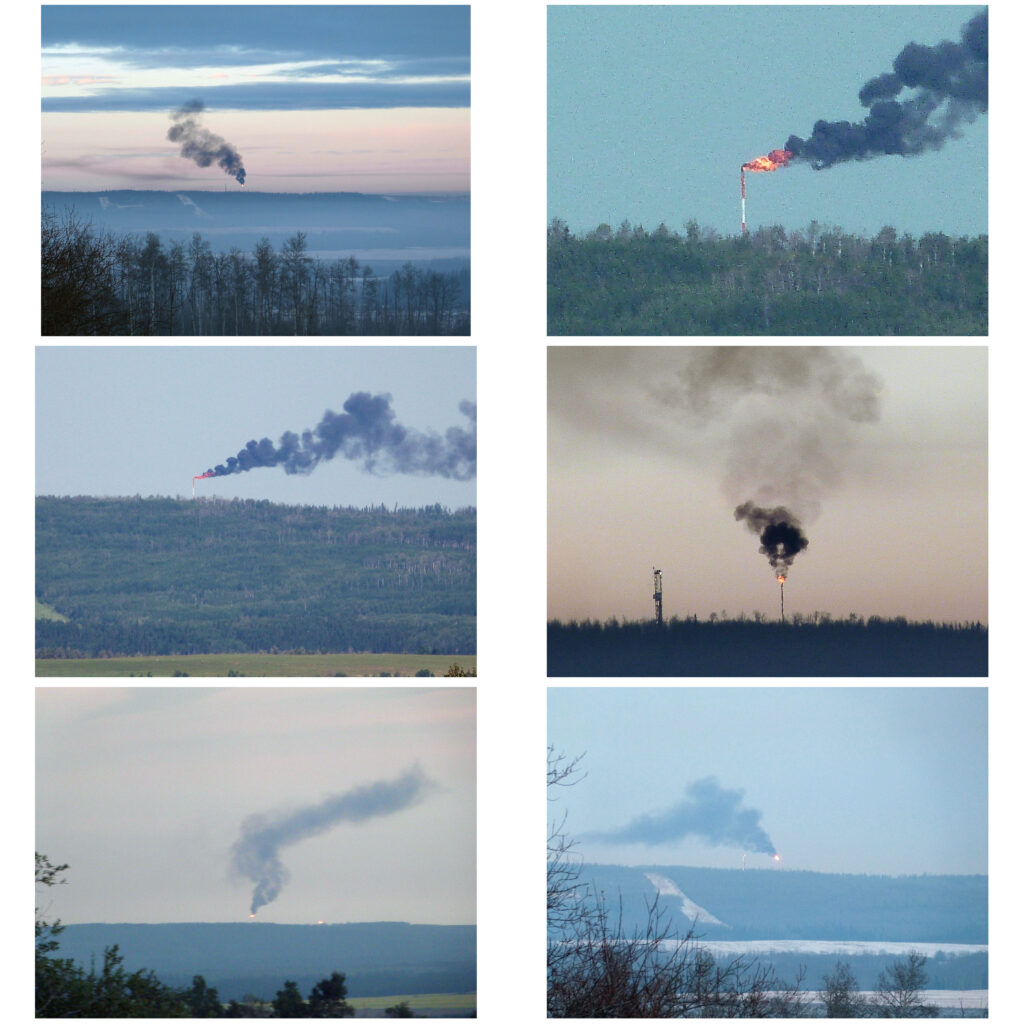
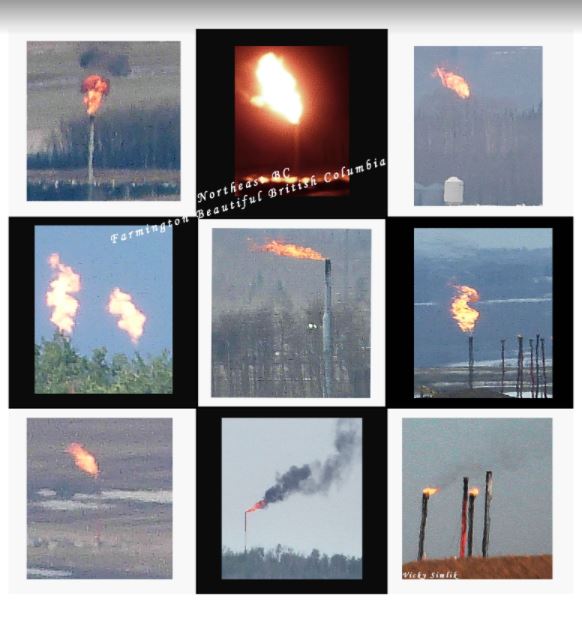
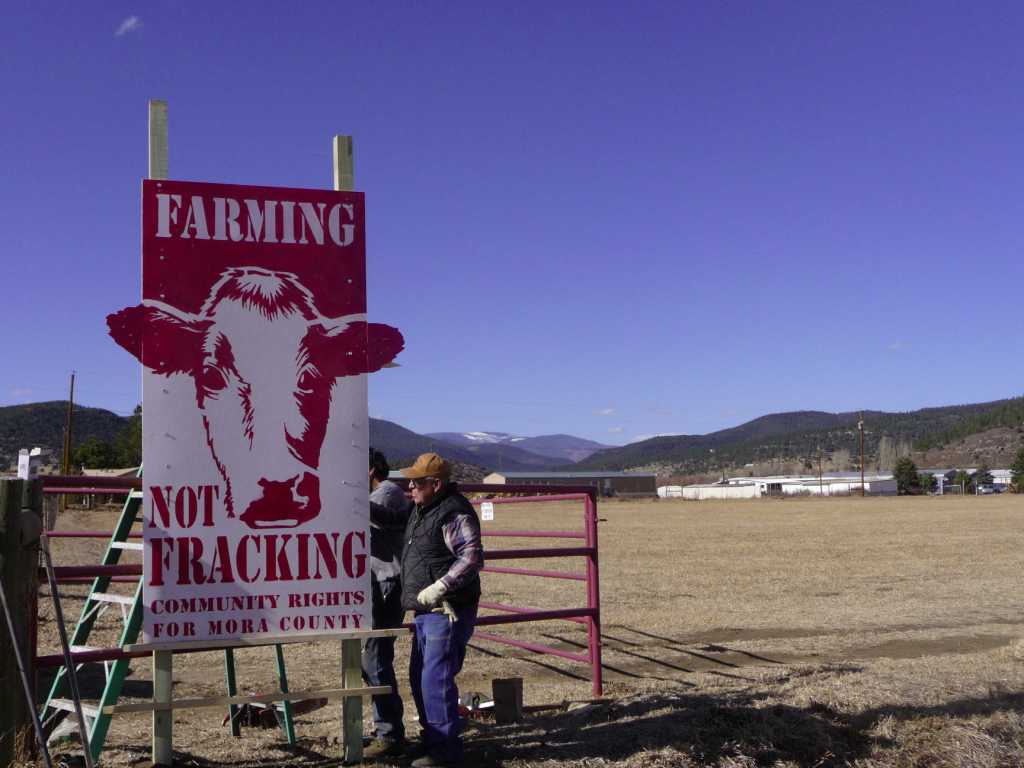
This is your new and improved frac’ing:

Refer also to
Is Quebec next on the undo a frac ban hit list? PEI?
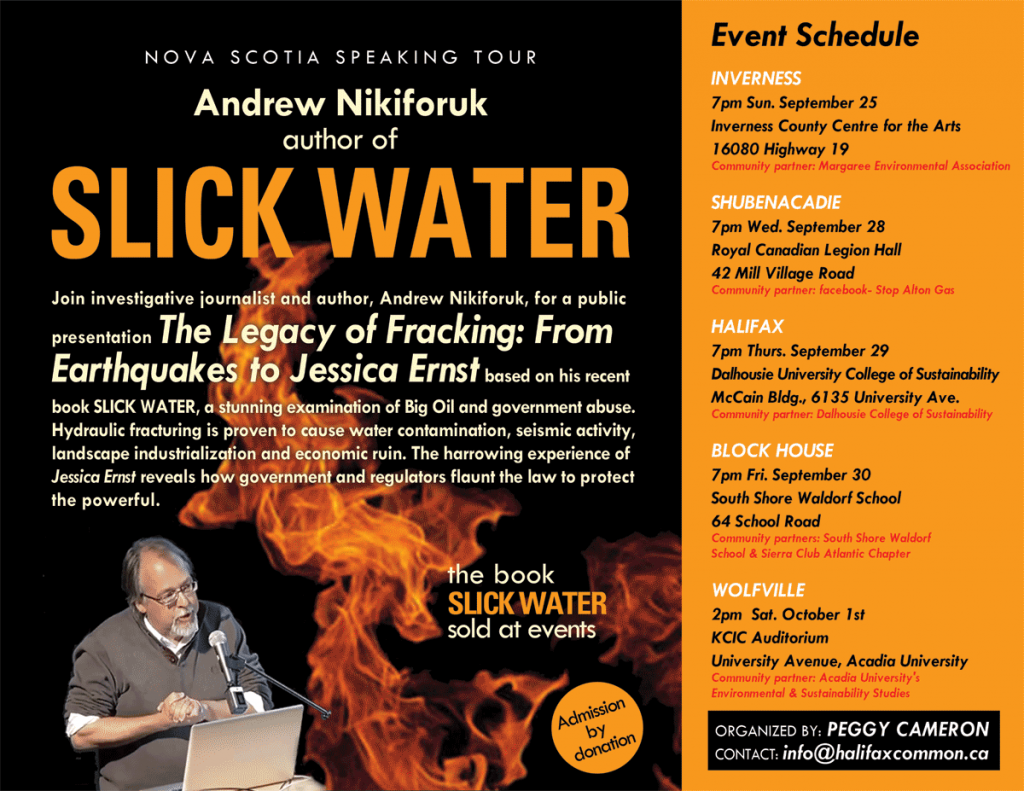
Andrew Nikiforuk on tour in Nova Scotia this week speaking on earthquakes caused by frac’ing and his new book Slick Water. Tour details At Acadia to explore the Legacy of Fracking by Wendy Elliott, September 29, 2016, Nova News Now WOLFVILLE … Continue reading →
2015: Nova Scotia fracking regulations still a few months away
2014: Nova Scotia: Mi’kmaq unanimous in opposition to fracking
2014: Nova Scotia: Dr. Wheeler’s Frac Patent Frac Panel’s Questionable Public Consultations
2014: Breaking in Nova Scotia: Dr. David Wheeler suddently changing his frac tune
2014: Mi’kmaq women shut down Nova Scotia Energy Minister event
2014: Nova Scotia: The future of fracking calls for a provincial referendum
2013: Political parties in Nova Scotia appear to have shifted views on hydraulic fracturing
2013: Nova Scotia: Atlantic Industrial systems (AIS) calls fracking wastewater decision ‘political’
2013: Is There a Regulator in the House? Through the Fracking Rabbit Hole with Nova Scotia Environment
2012: Triangle Petroleum fracking radioactive waste water cleanup target missed in Nova Scotia
2012: Nova Scotia accepting fracking waste from New Brunswick
2012: Nova Scotia extends PetroWorth agreement
2012: Nova Scotia judge reserves ruling on appeal of government decision to drill oil
2012: Nova Scotia judge reserves ruling on appeal of government decision to drill oil
2012: Jessica Ernst at Westville & Wallace Nova Scotia
2012: If You Knew Fracking…. Jessica Ernst at Baddeck Nova Scotia
2012: Nova Scotia Enacts Two-Year FrackingBan
2012: Nova Scotia issues two-year moratorium on fracking
2012: Nova Scotia government puts hydraulic fracturing on hold for two more years
2011: Jessica Ernst at Tatamagouche Nova Scotia
2011: Dr. Tony Ingraffea and Jessica Ernst at Truro, Nova Scotia
2011: Dr. Tony Ingraffea and Jessica Ernst at Halifax, Nova Scotia
2011: Hydraulic fracturing would destroy Nova Scotia
***
https://ernstversusencana.ca/wp-content/uploads/2026-04-nofrac-Nova-Scotia.pdf
Ignoring the Evidence Premier Tim Houston’s Reckless Plan to Frack for Gas by Barb Harris, Nova Scotia Fracking Resource and Action Coalition, April 2026, Protecting Our Communities
NOFRAC
NOFRAC’s 2014 report, Out of Control: Nova Scotia’s Experience with Fracking
for Shale Gas provides detailed background information. The was written based
on government documents obtained through Freedom of Information requests.
On line at https://nofrac.wordpress.com/wp-content/uploads/2013/04/out-of-
control-full-report.pdf
land acknowledgement
NOFRAC works in Mi’kma’ki, the unceded territory of the Mi’kmaq. This land is
governed by the Peace and Friendship Treaties and has been actively stewarded
by the Mi’kmaq since time immemorial.
Introduction
In December 2025, the Houston Government announced they were allocating
$30 million in hopes of kickstarting onshore gas development in Nova Scotia. An
agreement was signed with Dalhousie University on January 30 2026 to
administer a Subsurface Energy R&D Investment Program (SERDIP) . The Program
follows the Houston government’s decision that Nova Scotia’s economic future
should be based on resource extraction including fossil fuels, and its repeal of
Nova Scotia’s 2014 ban on hydraulic fracturing in March 2025.
The SERDIP program is deeply problematic in its fundamental intent, to start a
fracked gas industry in Nova Scotia at a time when fracked gas is a known major
contributor to climate change and a well-documented risk to human health, clean
water resources, and community wellbeing. In 2026, the scientific evidence of
the dangers of fracking for gas is stronger than ever. Recognized risks continue to
be confirmed, not solved. The Nova Scotia Fracking Resource and Action
Committee (NOFRAC) has analyzed the Agreement between the Province and
Dalhousie and found that many provisions of the Agreement are also deeply
problematic.
NOFRAC’s report, Ignoring the Evidence: Premier Tim Houston’s Reckless Plan to
Frack for Gas, outlines significant issues of concern in the SERDIP agreement
between the Province and Dalhousie, in the context of present day scientific
knowledge about the risks of the onshore fracked gas industry.
1 Subsurface Energy R&D Investment Program (SERDIP) Agreement
https://novascotia.ca/onshore-natural-gas/docs/Subsurface-Energy-RD-Investment-Program-Agreement.pdf
Note: [square brackets] in the Ignoring the Evidence report refer to sections in the SERDIP
reportNote:
The agreement: Key Points
2 Specific mention of hydraulic fracturing is made in the research project study descriptions
relating to Groundwater/ Wastewater [Appendix 1, Section A, p. 23] and Seismic Analysis
(Appendix 1, Section A, p. 24).
3 https://subsurfaceenergyns.ca/
30 million dollars
The Houston government is funding a $30 million project with the goal of
kickstarting an onshore gas industry on a hyper-accelerated 11-month
schedule. The Province has contracted Dalhousie University to administer
the program. $24 million is earmarked for subsidies to fossil-fuel
companies, including up to 100% of exploration costs.
hydraulic fracturing
The agreement makes clear that hydraulic fracturing (fracking) would be
involved if an onshore gas industry develops in Nova Scotia. Materi
posted by SERDIP makes clear that hydraulic fracturing is an expected
part of the SERDIP program. Nova Scotia’s on-shore gas is located in shale.
Gas cannot be extracted from shale without fracking.
the province is the boss
Dalhousie must carry out its duties “under the direction of the Province”
and the Province’s representative, the Executive Director of the Energy
Resources Division of the Department of Energy (DoE). [SERDIP Section
no independence for dalhousie
Dalhousie does not have an independent voice.
“Dalhousie shall ensure that any press releases, other public communications, or public
communications plans are approved by the Province prior to being released or implemented.
” [11.2]
5. Info belongs to Province
The Province will own and control all information including data, working papers, evaluation and research. [6.1, 6.2] The Province, not Dalhousie, will decide what information will be released to the public. The Province alone will decide what information is withheld from the public. [6.3] The agreement includes the right to destroy documents and to “erase [material] irrevocably,” [4.4, 6.3] including the results of research. These clauses conflict with transparency, the public’s right to know, and academic freedom.
6. confidential
The Parties “agree any information received by one party from the other should be clearly designated in writing as “CONFIDENTIAL” [4.1] and that all materials including research reports and data are “Confidential Information of the Province.” [6.2]
7. Dalhousie’s roles
Dalhousie plays a number of roles in the program, including setting up a governance structure for the project, setting qualification criteria for participating fossil fuel companies, screening and confirming qualified companies, hiring researchers, conducting research and leading
stakeholder and First Nation engagement.
8. Research over 3-4 months
Six research projects will take place during the exploratory stage: geology, water & wastewater, methane emissions, seismic (earthquakes), transportation & infrastructure and health. [Schedule A, Appendix 1, pp 23-26]. Some studies will gather geological or baseline information. An additional study will analyze results of exploratory drilling. Studies will be
carried out over the 3 – 4 month exploratory phase. Dalhousie will submit a final report in December 2026.
9. Where’s the gas?
The Horton Bluff formation in the Windsor-Kennetcook Basin is the only gas reserve mentioned by name in the Agreement. [Schedule A, Appendix 1, Geological Studies] The SERDIP website now highlights gas reserves in the Cumberland and Windsor Basins. Material posted earlier on the SERDIP website described the Windsor subbasin as Windsor-Hantsport–Walton.
10. the insiders
An Oversight Committee and a Technical Oversight committee make up the main governance structure of the project. [Schedule A, 7, p. 21] The Agreement contains minimal information about the roles of these committees, and no information as to how members will be selected.
Committee members are now listed on the SERDIP website. The Oversight Committee includes three Dalhousie reps, two Department of Energy (DoE) reps, two industry reps, one First Nations representative and one community representative, as well as a program manager and additional non-voting Dalhousie personnel and a non-voting scientific director. The
Technical Committee includes two program managers, one of whom served on the Board of Directors of Alta Gas, two DoE representatives, two Industry representatives, and a geoscientist.
11. First Nations Engagement
The Agreement gives Dalhousie responsibility for First Nations engagement [Schedule A, Phase 2, p 19], while noting the Province is responsible for “Ongoing Section 35 consultations with First Nations by the Province (if required). ” [Schedule A, Phase 4, p 19]. The Agreement does not recognize the Assembly of Nova Scotia Mi’kmaq Chiefs’ 2014 stated opposition to fracking, reaffirmed in 2025.
Ignoring the Evidence, April 2026
12. One year timeline
The one-year project timeline includes these and other points:
March-April:
Calls for Proposals and outreach to exploration companies. Stakeholder
and First Nations engagement begins
April 15: Deadline for companies to submit expressions of interest
May: Exploration Agreements granted to “successful proponents,”
“Section 35 consultations with First Nations by the Province (if required.)”
May-July: Compliance with regulatory requirements which may include
Detailed subsurface data review; Environmental studies; Site selection and
validation
Final drill targets and sites confirmed
Ongoing Section 35 consultations with First Nations by the Province (if
required)
July–October: Site preparation, initial drilling and exploration
December 31, 2026: Dalhousie compiles Final Report and identifies papers
for publication. (Schedule A, Section 5, p.18) Province makes selected
parts of final report public. Full report will not be made public. (Schedule
A, Phase 6, p. 20)
13. Absence of Interest does not end project
An absence of “interest from industry” will not end the program. If the call
for proposals does not generate interest, Dalhousie is responsible to review the process, including meeting with industry representativespromising them no regulations, no liability for all the water supplies they will assuredly contaminate and the buildings, roads and homes they will damage and or destroy via frac quakes, and no royalties, and, NS taxpayers will pay for all of industry’s First Nations and community consulations, and develop and reach agreement with the Province on a revised path forward. [Schedule A, Section 5, Phase 2].
The Province, not Dalhousie, will decide what information will be released to the public. The
agreement includes the right to destroy documents and to “erase [material] irrevocably,” including the results of research.
Ignoring the Evidence, April 2026
The Agreement: Red Flags
1.
The Province, not Dalhousie, has full control of information, including deciding what
information will be made public and what information will not be public. The Province
must pre-approve any statements by Dalhousie. Given these conditions, Dalhousie’s
role in public engagement and research cannot be considered independent or
unbiased. Research conclusions will be highly suspect.
2.
The agreement includes a clause stating that all parties agree to return, destroy or
irrevocably erase confidential documents and material after receiving a written
request. [4.4, p. 5] There is no limit on this clause. It appears that this clause would
allow destruction and irrevocable erasure of any information, including information
that might be used to establish liability for harm caused by activities carried out under the agreement. This clause may be in violation of existing law. It raises serious questions as to the Province’s commitment to its overriding duty to the public
interest.
Province has full control of information and public statements
Destruction of information
3.
The inclusion of strict confidentiality clauses combined with clauses giving the
Province full ownership of all information could lead to a situation where statements
could be made by the Province or other parties that contradict, misrepresent or
mislead the public in relation to information collected by Dalhousie participants, while
restricting the right of Dalhousie participants to publicly set the record straight.
Limited ability to correct misinformation
4.
The lack of commitment to transparency means that important information will not be
available to the public in a timely way and may never be available. The provision that
all documents will be labeled confidential creates barriers to transparency and to
Freedom of Information requests. Most of what is known about past fracking in the
Kennetcook area of Nova Scotia comes from documents accessed through Freedom of
Information requests. Although Dalhousie made a public commitment to
transparency in January 2026, the Agreement does not allow Dalhousie to act on that
commitment unless the Province agrees.
No transparency
There are no meaningful opportunities for public analysis and input, and no value
given to public participation or local knowledge. There is no recognition of the
importance of community consent, social license or informed consent in the
Agreement, although these were key recommendations of the Nova Scotia
Independent Panel on Hydraulic Fracturing (2014). The “public communication
strategy” set out in the Agreement is top-down. The strategy will be designed jointly
by the Province and Dalhousie [11.1] with a public relations firm hired to assist with
stakeholder outreach [Schedule A, 6 a].
The repeated aims of creating community readiness, preparing communities and
building public confidence in the Agreement study descriptions [Appendix 1] indicate
that the goals of public communication and community engagement are not to
determine whether there is social license for a fracked gas industry, but to sooth
public concerns and encourage community buy-in.
genuine Community participation and informed consent are absent
4 Documents received through Freedom of Information requests (FOIPOP) relating to Triangle Petroleum’s activities in the Kennetcook-Noel area in 2007-8 revealed important information about the chemical composition of the fracking fluids used, the high levels of NORMS (Naturally Occurring Radioactive Materials) found in fracking flowback wastewater, and the fact that in one fracked well, 85% of injected chemical laden fracking fluids never returned above ground.
FOIPOPed documents also revealed the scope of Triangle Petroleum’s development plan, where Phase 1 involved drilling and fracking 210 wells, served by 5 compressor stations and multiple pipelines in a 35 square kilometer area, while the larger plan included development of 620 wells in the area from Windsor to Wolfville. Additional information in Out of Control : Nova Scotia’s Experience with Fracking for Shale Gas, 2013.
https://nofrac.wordpress.com/wp-content/uploads/2013/04/out-of-control-full-report.pdf
Nova Scotia Independent Panel on Hydraulic Fracturing (2014), Executive Summary, pp. 4-5
6.
The Program was developed and the Agreement has been signed despite the
opposition of the Assembly of Nova Scotia Mi’kmaw Chiefs to hydraulic fracturing. On
March 28, 2025, the Assembly reaffirmed a resolution passed in 2014 stating that, “the
Assembly of Nova Scotia does not support any hydraulic fracturing activity in Nova
Scotia and will continue to oppose any and all hydraulic fracturing activity until such
time as all environmental concerns have been addressed adequately with the Mi’kmaq
of Nova Scotia.” The position of the Assembly opposing hydraulic fracturing has been communicated repeatedly to Premier Houston.
First Nations opposition to fracking ignored
7.
The study outlines appear designed to support two main predetermined conclusions:
that onshore gas should and will be developed in Nova Scotia and that the risk is minimal, manageable or acceptable. These conclusions have been reached even before local information has been gathered and evaluated, and without considering the overwhelming balance of
scientific evidence on multiple risks and harms of the unconventional fracked gas industry. The studies are designed to either “inform exploration decisions” or to “inform future policy development.” Additional goals include “creating community readiness,” “preparing communities for potential energy development” and “building public confidence.” [Appendix 1, pp 23-25]
Studies support predetermined conclusions
Red Flags
“We have made it clear to the Premier that the Mi’kmaq have always opposed hydraulic
fracturing and that there has been no meaningful consultation on provincial decisions to reverse bans on hydraulic fracturing,” said Chief Michelle Glasgow, Co-Lead of Health, Wellbeing and Elders portfolio for the Assembly of Nova Scotia Mi’kmaw Chiefs. As of the date of writing this report (March 28, 2025), the Assembly met and reaffirmed a resolution passed in 2014 which stated that, “the Assembly of Nova Scotia does not support any hydraulic fracturing activity in Nova Scotia and will continue to oppose any and all hydraulic fracturing activity until such time all environmental concerns have been addressed adequately with the Mi’kmaq of Nova Scotia”.
www.mikmaqrights.com/?p=4254
Disposal of millions of gallons of highly contaminated fracking wastewater is one of
the significant unresolved challenges of the fracked gas industry. The Agreement
greatly oversimplifies the problem, stating that research would determine “how to
safely handle, treat … flowback and produced water, which is created during drilling
and hydraulic fracturing” and conduct “proactive planning for wastewater
management.” [Appendix 1, p 23] This raises a number of red flags.
In the past, Nova Scotia adopted and followed a policy prohibiting underground
disposal of fracking wastewater due to risks to groundwater related to local
geology. There is no mention of whether this policy will be applied to wastewater
generated by explorations carried out as part of this Program. There are
indications that underground wastewater disposal may be allowed.
There is no mention of the need for attention to elevated levels of Naturally
occurring Radioactive Materials (NORMS) in fracking wastewater in Nova Scotia.
Elevated levels of NORMS increase health and environmental risks, making
handling and disposal more expensive and challenging. See Red Flag 12.
Underground injection of fracking wastewater has multiple risks, including risks of
contamination of aquifers and increased risk of earthquakes. Recently disclosed
documents show that for decades, the US Environmental Protection Agency
recognized that underground injection of fracking wastewater was “a temporary
means of disposal,” that should be used only until “a more environmentally
acceptable means of disposal [becomes] available.”
No safer solution has yet been found. This illustrates that “best industry practices”
should not be assumed to be safe practices.
8. Toxic wastewater disposal remains unresolved risk
Red Flags
The seismic research outline includes a statement that “wastewater disposal can… trigger
earthquakes” which appears to indicate that underground wastewater disposal may now be
considered, contrary to past policy. The new Powering the Economy Act, 2026, refers to
underground injection wells.
Fracking wastewater from Triangle Petroleum’s exploration in Kennetcook/Noel in 2008
contained elevated levels of NORMS. There were multiple problems with handling and disposal.
Out of Control, Nova Scotia’s Experience with Fracking for Shale Gas.
https://nofrac.wordpress.com/wp-content/uploads/2013/04/out-of-control-full-report.pdf
See Red Flag 12.
https://www.desmog.com/2026/02/12/the-oil-industrys-latest-disaster-trillions-of-gallons-of-buried-toxic-wastewater/
9.
Fracking uses, and contaminates, massive amounts of fresh water through normal
operations. In addition to water used for normal operations, drilling, fracking, spills,
wastewater disposal and well casing leakage have led to contamination of wells and
aquifers. 46% of Nova Scotians, mainly in rural areas, rely on wells for water. Clean
water is critical for individuals and local businesses. Nova Scotia residents throughout
the province experienced drought for extended periods in 2025. It is essential to
accurately understand the potential impacts of fracking on local water supplies. With
the Houston government committed to developing a fracked gas industry before
evaluating the risks, and conditions in the Agreement giving the Province full control
of information, it is reasonable to wonder whether potential impacts to freshwater
supplies will be accurately represented to the public.
Risks to fresh water supplies
10.
The Agreement states that the goal of the methane study is to determine existing
background levels of methane and to establish that methane can be accurately
measured in Nova Scotia conditions. The study outline recognizes that “methane
emissions [is] the issue most critical to public trust, regulation, and market access.”
[Schedule A, Appendix 1, p. 24] The methane study outline is the only place where the
Agreement recognizes that it is important to know “whether and how onshore gas
development could meet environmental and economic expectations.” Unfortunately,
the same question is not raised in relation to the overall impact of a fracked gas
industry to health, existing industries, water resources, property values, community
well-being, Nova Scotia’s economic future or other issues.
Methane is a major contributor to climate change – a greenhouse gas 84 times
more potent than CO over a 20-year period. Shale gas production in North
America is a major contributor to increased global greenhouse gas emissions.
Methane, market access and climate impacts
10 Howarth, R.W. (2019) Ideas and Perspectives: Is shale gas a major driver of recent increases in
global atmospheric methane? Biogeosciences, vol.16, iss. 15, pp.3033-3046
Bowman, L.V., El Hachem, K., Kang, M. (2023). Methane Emissions from Abandoned Oil and Gas Wells in Alberta and Saskatchewan, Canada: The role of surface casing vent flows. Environmental Science & Technology, v.57, iss.48, pp.19594-19601.
Tyner, D.R., Johnson, M.R. (2021). Where the Methane is: Insights from novel airborne LIDAR measurements combined with ground survey data. Environmental Science & Technology, v.55, iss.14, pp.9773-9783.
Independent studies over the past 5-6 years consistently document that methane
emissions from the fracked gas and oil industry have been under-estimated and
under-reported for years. Canadian studies measuring real-time methane emissions
from the industry documented methane levels often two to five times higher than
reported by industry and governments.
Methane releases come from a variety of sources. Researchers studying leakage from
abandoned wells in Alberta and Saskatchewan found that 32% had active subsurface
leaks, far higher than provincial data estimates of 6–11%. They note that “well integrity
failures and groundwater contamination are likely to be more common than previous
studies suggest.” A 2021 study of oil and gas extraction in British Columbia found
that more than half of methane emissions could be attributed to three main sources:
storage tanks (24 percent); compressors (15 percent); and unlit flares (13 percent).
The Agreement’s study goals of conducting a baseline study and monitoring methane
emissions during several months of exploratory drilling will not generate data that can
reliably reflect methane emissions from an operating shale gas industry in Nova
Scotia. It will not reflect the cumulative methane emissions from cradle to grave as
the gas is explored, extracted, stored, transported, consumed and possibly converted
to LNG. The absence of continuing methane monitoring after the exploratory period is
an inexcusable omission in data collection. Further, the fact that the Province alone
has the right to decide what information will be released to the public means it will be
difficult to interpret or have confidence in whatever limited data is released about
methane levels and methodologies used.
The absence of continuing methane monitoring after the exploratory period is an inexcusable omission in data collection.
Out of Control, Nova Scotia’s Experience with Fracking for Shale Gas.
https://nofrac.wordpress.com/wp-content/uploads/2013/04/out-of-control-full-report.pdf
Ibid Out of Control, p. 11
11.
Naturally occurring radioactive materials (NORMS) are often found in the deep shale
layers that are targeted for fracking. When Triangle Petroleum carried out exploratory
drilling in Nova Scotia in 2007-2009, the Province was unprepared to deal with the
NORMS that were released by drilling and fracking. NOFRAC’s 2013 report Out of
Control: Nova Scotia’s Experience with Fracking for Shale Gas documents the many
missteps that flowed from the government’s lack of preparation. Triangle drilled and
fracked between 2007-2009. The government did not require testing wastewater for
NORMS until 2011. In 2011, wastewater from the Kennetcook waste ponds, which had
remained open to the elements in the community for four years, finally included
testing for NORMS.
Fracking can bring radioactive substances to the surface in millions of gallons of
fracking wastewater and in drill cuttings. NORMs can build up in soil, pipes,
equipment, and trucks. NORMS can also build up in locations where fracking
wastewater or solid waste are stored or disposed of. Fracking can open pathways for
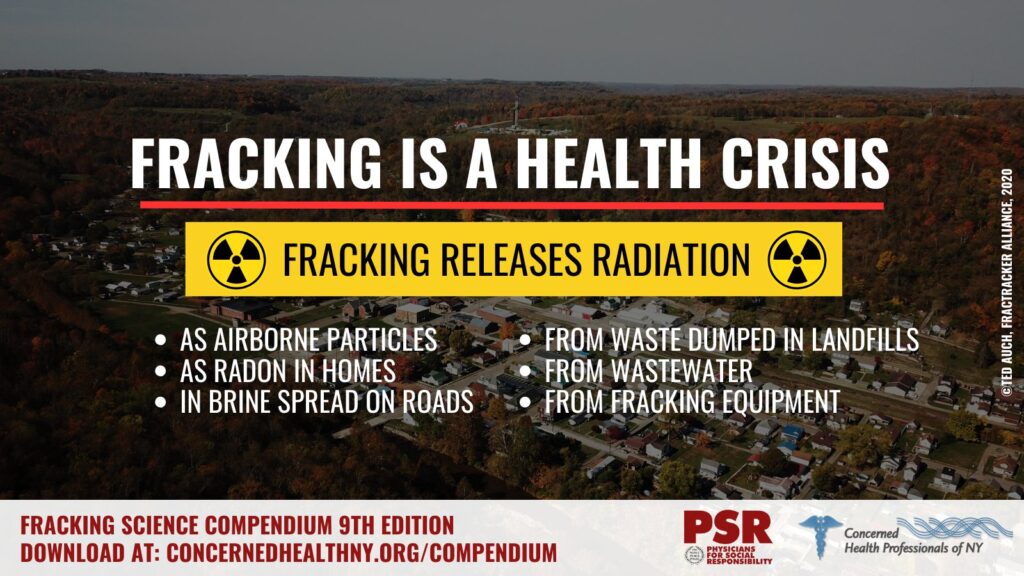
the migration of radioactive materials, which can be released as airborne particles
from the wellhead. Exposure to increased radiation levels from fracking operations is a
risk for workers and community members.
Drilling, fracking and radioactivity
“Analyses documented a range of naturally occurring radioactive elements in
the wastewater, including radium 226 and uranium, both of which have long
half-lives and known health risks. By the time this information was received by
NSE, decisions as to the disposal of millions of litres of wastewater had already
been made, without considering the presence of radioactive elements. Waste
drilling mud and sand appear to also have been disposed of without testing for
the presence of radioactive contaminants.”
A Pennyslvania study found buildings in heavily drilled areas measured significantly
higher radon readings than areas without well pads. A 2020 Harvard study
documented an increase of airborne radioactivity in communities located 12-31 miles
(20 to 50 km) downwind from active fracking sites.
There is no excuse for the Houston government to overlook the issue of NORMS. There
is no mention of NORMS in the Agreement. NORMS increase the costs and risks of
fracking in Nova Scotia. Companies and communities must be aware of this issue. It is
essential that the Province have a transparent plan to address the release and
exposure to radioactive materials from gas exploration – and from a potential futur
industry. What regulations are in place to address these risks? What setbacks from
homes, schools and playgrounds are required? What monitoring and testing will be in
place? Will background radon levels be monitored before and after exploration? How
will liquid and solid waste contaminated with NORMS from exploratory operations be
handled and tracked? Will residents be left to cover costs of testing and measures to
decrease risks?
The release of NORMS from fracking operations highlights the Importance of full
public transparency. Yet the Agreement is designed to block transparency and public
access to information.
https://publichealth.jhu.edu/2015/increased-levels-of-radon-in-pennsylvania-homes-
correspond-to-onset-of-fracking
Li, L., Blomberg, A.J., Spengler, J.D. et al (2020). Unconventional Oil and Gas Development and Ambient Particle Radioactivity. Nature Communications v.11, art.5002.
Compendium, p 76 “The closer communities were located to the wells, the higher the
radioactivity in airborne particles. In the Fort Worth, Texas area, where more than 600 fracking wells are located upwind from the city, the team estimated a 40 percent increase in radiation levels. The radioactive elements carried by the ultrafine particles, including polonium, represent the radioactive decay products of uranium isotopes that are liberated from the shale during fracking operations.”
There is no excuse for the Houston government to overlook the issue of naturally occurring radioactive materials.
12.
Health risks are one of the major concerns associated with the onshore fracked gas
industry. Close to 100 studies on health impacts associated with fracking have been
carried out since Nova Scotia banned hydraulic fracturing in 2014. Studies document
public health problems associated with fracking including prenatal harm, respiratory
impacts, cancer, heart disease, mental health problems, and premature death.
Three recent studies, published since 2022, provide insight into the range of serious
health impacts associated with living close to or downwind from unconventional gas
or oil sites.
Nova Scotia researchers studied the health of people living within at least 1.5
kilometres of an oil or gas well in Alberta. They found an estimated nine to 21 per
cent higher risk of experiencing cardiovascular (heart) or respiratory (breathing)
issues in this population. They also found that “rural and marginalized communities
will be at the greatest risk of exposure to air pollution from oil and gas
development.”
Harvard School of Public Health researchers found that “elderly people living near
or downwind of unconventional oil and gas development (UOGD)—which involves
extraction methods including directional (non-vertical) drilling and hydraulic
fracturing, or fracking—are at higher risk of early death compared with elderly
individuals who don’t live near such operations.”
Compendium p 61
https://www.mdpi.com/1660-4601/21/12/1692
https://pmc.ncbi.nlm.nih.gov/articles/PMC9004666/
A multidisciplinary team from University of Calgary’s Cummings School of
Medicine studied 35,000 pregnancies in rural Alberta. The study found that babies
born to mothers living near hydraulic fracturing sites had increased incidence of
low birth weight, premature birth and major congenital abnormalities. The risk
increased with increased density of wells. The study concludes “Results suggest
that individuals who were exposed to hydraulic fracturing within pregnancy may be
at higher risk of several adverse birth outcomes.”
The Health Officers Council of BC passed a resolution in November 2025 calling for
an independent assessment of possible health impacts related to the oil and gas
industry. A family physician who has worked in Dawson Creek for 30 years told City
Councillors in February 2026 she is seeing rare lung cancers at “an alarming
frequency” and believes they are associated with fracking.
The mis-named “Health Impact Study” in the SERDIP project is not designed to
evaluate health risks in areas targeted for a potential fracked gas industry in Nova
Scotia. Instead, the health impact study outlined in the agreement sets goals including
to “prepare[s] communities for potential energy production by strengthening health
literacy.” [Schedule A, Appendix 1, p. 25]
https://pmc.ncbi.nlm.nih.gov/articles/PMC8981068/
https://www.cbc.ca/news/canada/british-columbia/public-health-physicians- calling-for-
independent-assessment-of-health-impacts-oil-and-gas- 9.7123030
https://www.cbc.ca/news/canada/british-columbia/researchers-fracking- health-effects-bc-
peace-region-9.7095889
“…babies born to mothers living near hydraulic fracturing sites had increased incidence of low birthweight, premature birth and major congenital abnormalities.
13.
Both underground wastewater disposal and fracking itself have been found to triggerearthquakes, including in areas where earthquakes have not previously been
experienced. Earthquakes linked to the fracked gas industry increase with frequency
and intensity as more fracking takes place. They can vary in intensity from small to
large. Earthquakes acknowledged to be linked to fracking have been documented 31
miles (50km) from fracking sites.
“The more fracking we do … the more earthquakes we will have,” Gail Atkinson, a consulting seismologist and former professor at Western University in London, Ont. told CBC in Feb. 2025, Referring to the Peace River area of BC, Atkinsin said, “In 2021, we saw about 60 earthquakes a year, and in 2024, we were up to 160″ In both B.C. and Alberta’s gas and oil areas, the number of higher-magnitude earthquakes has gone up. Allan Chapman, a former senior geoscientist with the B.C. Oil and Gas Commission who analyzed the data, concluded
the frequency of significant earthquakes will only increase as fracking expands in the Peace River area, CBC reported.
The SERDIP Agreement states that the 3–4-month seismicity project will “gain the
information needed to … build public confidence that seismic impacts will be
monitored transparently and managed responsibly.” [Appendix A, Schedule 1, p. 24]
The Province’s claim that they will be able to “manage earthquakes responsibly” lacks
credibility given evidence of continuing earthquakes in other areas. A 2022 report
from the British Geological Survey noted that “Forecasting the occurrence of large
earthquakes and their expected magnitude remains a scientific challenge for the
geoscience community. This is the case for both tectonic and induced earthquakes.”
https://phys.org/news/2014-05-wastewater-disposal-trigger-quakes- greater.html
https://www.cbc.ca/news/climate/fracking-bc-texas-earthquakes- 1.7447400
Ibid
“The more fracking we do … the more earthquakes we will have.”
Estimated costs vary depending on what costs are included.
https://www.cbc.ca/news/canada/calgary/alberta-oil-well-cleanup-liability-estimate-1.7087133
Clean Up the MAS: How Alberta’s Mature Asset Strategy allows a profitable industry to offload
oil and gas cleanup to the public, Schuwerk (2025). Amsterdam: Redwater Insights,
https://www.ctvnews.ca/calgary/article/alberta-passing-the-bill-for-orphan-well-cleanup-to-the-public-new-report/
Nowhere in the Agreement is there recognition of the ongoing costs of monitoring,
identifying and repairing (where possible) methane leakage from active, inactive and
abandoned wells. In Alberta alone there is an unfunded liability for well cleanup
estimated at between $33 billion and over $100 billion that the government is trying
to pass on to taxpayers . Western Canada is now home to thousands of gas wells that
have been orphaned or abandoned for more than a decade after companies left for
greener pastures or went bankrupt. The long-term financial costs for cleanup, as well
as ongoing costs to climate, health and property values are never mentioned in the
Agreement.
ongoing costs and liabilities
14.
The long-term financial liabilities and costs for cleanup, as well as ongoing costs to
climate, health and property values are never mentioned in the Agreement.
15.
Reliable conclusions that will protect people and the environment cannot be drawn
from data from drilling and fracking a handful of wells over several months. Published
studies clearly show that industry risks, including well casing leakage, earthquake risk,
health impacts, risks of water contamination and climate impacts increase as the scale
of wells and industry infrastructure grows.
A developed shale gas industry involves hundreds or thousands of wells, with
infrastructure including pipelines and compressor stations. The cumulative risks of
the fracked gas industry can only be understood by a cradle to grave analysis of the
industry as a whole and its interconnecting parts as it scales up over time. It is wildly
misleading to claim, as the Agreement does, that information gathered from this short
project will “equip[s] the Province with the evidence needed for responsible resource
development and support[s] transparent, science-based decision-making that builds
public confidence.” [Schedule A, Appendix 1, pp. 23-4]
Limited data cannot accuratel y predict risks
16.
The SERDIP timeline allows only a few months between selecting a site for exploration
and beginning exploration. [Schedule A, 5, p. 18] It is virtually impossible that a
thorough analysis of potential risks can be carried out in such a short time. It is also
doubtful that meaningful public consultation or gaining First Nations informed
consent can be carried out in that timeframe. There is no rational reason for the
rushed timeline. The timeline increases risks of an industry already recognized as high-
risk.
Rushed timeline increases risks
The timeline increases risks of an industry already recognized as high-risk.
Compendium of Scientific, Medical, and Media Findings Demonstrating Risks and Harms of
Fracking and Associated Gas and Oil Infrastructure, Ninth Edition, October 19, 2023, Summary pp. 9-10
Ibid, Major Trends, 1) Regulations are incapable of preventing harm, p. 49
Ibid, Major Trends, 6) Public health problems associated with fracking include prenatal harm,
respiratory impacts, cancer, heart disease, mental health problems, and premature death, p. 61
17.
More than 2300 studies, carried out over the past two decades, overwhelmingly
document multiple risks from the unconventional gas industry. These risks have not
been eliminated by regulation or industry best practices. Ignoring the balance of
scientific evidence, the SERDIP agreement claims that a few months of study will “help
ensure that communities, ecosystems, and drinking water supplies remain protected,”
[Appendix 1, p. 23] that “seismic impacts will be managed responsibly” [Appendix 1, p.
24] and that “health literacy” [Appendix 1, p. 25] will be the Province’s solution to
health impacts associated with the fracked gas industry including miscarriages,
premature births, cancers, and premature death in the elderly.
Just trust us: Ignoring decades of science
18.
While the Agreement states that exploration agreements will be granted “conditional on
regulatory compliance,” [Schedule A, 5, Phase 3] The Agreement contains no
information about the regulations that will apply to exploration activities carried out
under the Program including water use, wastewater handling, standards for air
emissions, noise, required setbacks from residences, schools, hospitals, nursing homes
or wells, or time frames and standards for site cleanup. There is no indication in the
Agreement whether there will be transparency about the chemical composition of
fracking fluids used, or whether development and exploration activities carried out as part of the project will be fully and transparently monitored and reported for all hazards related to chemicals used in fracking fluid, air emissions, ground and surface water and noise levels. Existing regulations may not cover hazards specific to the fracked gas industry. For example, Nova Scotia’s air quality regulations cover a limited
number of substances, and do not include known hazardous emissions associated with the fracked gas industry, such as benzene, a known carcinogen.
How will exploration activities be regulated?
Hazardous chemicals found in fracking wastewater may not be addressed in existing
wastewater disposal standards. It is unclear whether Dalhousie reviewed and assessed the regulations to be applied to any exploration activities before agreeing to administer the contract. There is a need for transparency relating to all regulations that will apply to exploratory drilling, fracking or other activities under this Program. In the interest of informing communities, all applicable regulations should be made available to the public in an
easily accessible format.
19.
There is no information in the Agreement outlining how monitoring and enforcement
of regulations will be carried out. It appears that monitoring will end at the end of the
four-month study period. The groundwater/wastewater study states that the program
would “expand monitoring during drilling to quickly detect any changes linked to
exploration activity.” [Schedule A, Appendix 1, p. 23] It is well established that damages and pollution arising from drilling and hydraulic fracturing may develop over a longer time frame than several months. The contract makes no provision for monitoring water or air quality for the full range of contaminants associated with the industry before, during and after exploratory drilling and fracking. There is also no commitment to transparency of full monitoring methodologies and results.
How will exploration activities be monitored and enforced?
The contract makes no provision for monitoring water or air quality for the full range of contaminants associated with the industry before, during and after exploratory drilling
and fracking.
Dr. David Wheeler, Past President of Cape Breton University, and Past Chair of Nova
Scotia’s Independent Panel on Hydraulic Fracturing, was blunt when informed about
Dal’s participation in the Province’s SERDIP program. Wheeler told media, “…the
Province appears to be outsourcing its reputational and even commercial risk to
Dalhousie University.” In terms of reputational risk, the terms of the agreement
restrict Dalhousie’s right to speak independently, to conduct open-ended studies, to
release or freely speak about research results, and to freely exchange information
with communities.
These restrictive conditions contradict a number of Dalhousie’s core values including
academic freedom, impactful community engagement, social responsibility and
sustainability, and developing deep and meaningful partnerships and relationships
with Indigenous peoples. Dalhousie’s participation in this program on these terms
will impact its reputation in the academic and research world and its relationship with
communities, including the Mi’kmaq. Dalhousie’s role in establishing criteria and
preliminary selection of companies to undertake exploratory activities for fracked gas,
as well as the university’s agreement to allow the Province full control of information,
and to “irrevocably erase” confidential information on request may leave the
university open to commercial risk as well.
Reputational and commercial risks to Dalhousie
These restrictive conditions contradict a number of Dalhousie’s core values including
academic freedom, impactful community engagement, social responsibility and
sustainability, and developing deep and meaningful partnerships and relationships with Indigenous peoples.
Since Nova Scotia banned fracking in 2014, evidence of problems connected to the fracked gas (aka unconventional gas) industry have only increased.
There are now over 2300 studies spanning two decades – six times more than in 2014.
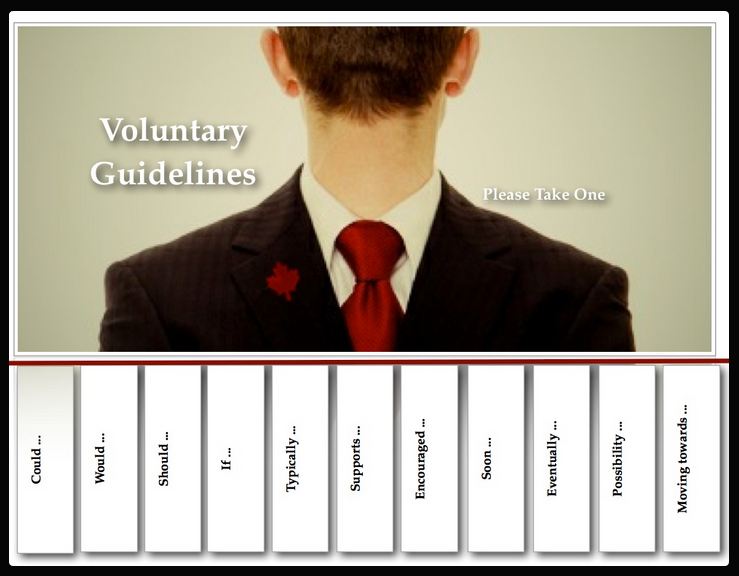
Overwhelmingly, those studies document risks and harms that have not been resolved. Studies show that regulations are often insufficient or avoided. They show that estimated harms, such as methane releases, are often far lower than actual measured releases. There is no evidence that harms have been eliminated by present day techniques, regulations or byvoluntary!! “industry best practices.”Also called guidelines.
The Houston government is spending $30 million of public money to kickstart an onshore unconventional gas industry including fracking. They are doing this without
fully evaluating the real costs vs benefits to the province. A clear, science-based process for reviewing the fracking ban existed in the now-repealed legislation, but the Houston government tossed it aside. The SERDIP project fails to meet the standards of independent science, public participation and taking the time needed for each step
which were top recommendations of Nova Scotia’s Independent Panel on Hydraulic
Fracturing (Wheeler Commission) in 2014.
The Houston government has an abysmal record on environmental protection. Weak environmental regulations and a lack of effective monitoring and enforcement of protective regulations are all too common in Nova Scotia. Barriers that might limit the harms of fracking or other extractive industries have been removed – as former employees of the Wildlife Division of the Department Natural Resources can testify.
These factors increase the many known risks of a high-risk onshore gas industry to people, property values, the environment and Nova Scotia’s economy.
Compendium, Summary, p. 10 “Our examination uncovered no evidence that fracking can be
practiced in a manner that does not threaten human health directly or without imperiling climate stability upon which human health depends. … The risks and harms of fracking for public health, the climate, and environmental justice are real and growing. Many early warnings in our previous editions have been borne out. The growing and substantial body of research reveals fundamental problems with the entire life cycle of operations associated with fracking and its infrastructure, which includes pipelines, LNG terminals, frack sand mining operations, and gas stoves inside homes.”
“Independently conducted research of a scientific and public participatory nature is required
to model economic, social, environmental, and community health impacts of all forms of energy production and use – including any prospect of unconventional gas and oil development in Nova Scotia – at both provincial and community levels,”
… We strongly suggest that whatever time is needed for each of these steps that it should be taken, without any sense of deadline-setting or impatience by any actor.”
Nova Scotia Independent Panel on Hydraulic Fracturing, 2014, Summary.
The Houston government’s fairy tales about safe fracking and miraculous economic
benefits, including lower power rates, ignore the science, ignore ongoing costs and
liabilities, and put communities, existing industries and our environment at risk. There
are already better options. The path to affordable power lies with wind and solar,
whose costs have dropped by 50% in the past decade and continue to drop. Battery
storage is already a viable solution for when the wind doesn’t blow and the sun
doesn’t shine, with predicted advances and cost decreases in the next decade.
Nova Scotians are beginning to see more clearly what the Houston government’s new
resource extraction agenda means. The Spring 2026 budget revealed what this
government values, and what it does not consider important. Funding fracking is part
of a fossil fuel agenda that includes gas-diesel peaker plants in Pictou County and
other supporting projects. Houston’s extraction agenda, including previously banned uranium, goes hand in hand with threats to protected lands and cutting funds for arts and culture, tourism, wildlife protection and supports for vulnerable communities. The full costs of Houston’s new agenda – both immediate and longer term – are becoming clearer.
Informed Nova Scotians stopped fracking before. We can do it again. NOFRAC hopes this report will help to counter the government’s misinformation about fracking for gas. We hope it will help people understand why Nova Scotia’s ban on fracking was good public policy in the past and remains the right choice today. As we work together to stop fracking and other harmful projects, we can also work together to build, or rebuild, a province where people, wildlife, clean water and air, and people and climate-friendly economies thrive together.
This is not the conclusion.