
Every new baby born demands more frac’ing which permanently removes water from the hydrogeological cycle. Global warming is causing heat extremes and extreme droughts, and that combined with humans over using water, is drying continents. I realized when I was a child there was not enough water on earth to satisfy insatiable, water-polluting humanity, and that a life without water is no life at all (I love water). That was one of the main reasons I chose not to have kids, the other was that too many humans, notably religious, rape kids – enabled by the creepy legal-judicial industry and the almighty rich. There is no way I would subject a child of mine to the horrors of being raped as a kid or a life without safe water the way I’ve now lived for more than 20 years.
Rural B.C. residents facing $33M waterline repair bill question if they can afford to stay, Dozens of Sage Mesa residents are under a boil water advisory. Getting clean water won’t come cheap by Tiffany Goodwein, CBC News, Aug 31, 2025
Over 200 residents in a rural area northwest of Penticton, B.C., may have to shell out over $1,000 a month just to have water.
The jaw-dropping cost has homeowners that rely on the Sage Mesa Water System stressed out and demanding a more reasonable solution.
Bruce Turnbull has lived in his home for over 40 years.
“I don’t know of any place on this planet that pays $1,200 a month for water, for drinking water. This isn’t agricultural, I’m not raising crops here, I’m just living here. To pay $1,200 a month to get a glass of water doesn’t make sense,” he said.
Last year, the 242 residents of Sage Mesa were notified that they would be on the hook for the $33-million cost of upgrading the waterline. The system does not meet basic water treatment guidelines set out by Interior Health, and is reaching the end of its life with much of the infrastructure over 60 years old.
‘I really don’t want to leave’
Randy Enns, an 80-year-old retiree who has lived in his home for over 50 years said Sage Mesa is a great place to live.
“My lot is very private, I’ve got lovely neighbours, and I really don’t want to leave,” he said.
But he told CBC News that trying to figure out how he is going to make it financially has significantly impacted his health.
“I’m in poor health, I’ve got lots of issues, and now I am very stressed out,” he said.
One of his concerns is suffering a loss in property value if he decides to sell his home.
“For most people like me, it’s your nest egg. If everything else goes wrong and you run out of funds, you’ve got your nest egg and it’s your house and you can sell it. Well this is preventing me from doing that,” he said.
 Encana/Ovintiv’s law violations, enabled by AER, and the Alberta gov’t, the courts, and my own lawyers, destroyed my nest egg too. I’ve been living on hauled water since 2006, my water was contaminated by Encana’s illegal aquifer frac’s in 2004. Our corruptly vicious legal-judicial industry wiped out my life long savings, stringing me along for years, going nowhere but continued life with water too dangerous to even use to flush toilets.
Sharon Plato, an 83-year-old retired nurse living on a pension, said the thought of the water repair cost keeps her up at night.
“It would be devastating to me,” she said. “I would not be able to stay here, I would have to move.”
Sage Mesa residents face massive increase in water bills
Most people don’t rate their water bill as one that stresses them out. But for people living in a neighbourhood just outside Penticton, it’s another matter. A privately-owned system is sending people big bills to keep the water flowing. CBC’s Tiffany Goodwein has more on why they’re paying so much and the impact.
The Sage Mesa Water System is privately owned. It pumps water from Okanagan Lake and treats it with chlorine.
In 1990, the province intervened after concerns about financial mismanagement and infrastructure deterioration, and put the system under the control of the provincial water comptroller. The Ministry of Water and Natural Resources told CBC News that it has no role in funding the system.
“At this time, Sage Mesa remains privately owned and managed by the Comptroller of Water Rights. As private companies, private water utilities are responsible for independently maintaining infrastructure and ensuring the continued delivery of water services,” the ministry said in a statement.
‘We need clean water’
Water quality issues continue to plague the system with approximately 60 homes under a permanent boil water advisory.
Plato has an autoimmune condition and has not been able to drink the water for years.
“We need clean water that’s healthy water and something we can afford. We need the province and all the ministers concerned with this situation to act quickly on it,” she said.With humans refusing to reduce baby making, refusing to reduce pollution (not even to stop dumping deadly waste and chemicals into fresh water bodies and frac and drilling waste into drinking water aquifers), refusing to use less water, and using more and more toxic chemicals and plastics, clean water is becoming scarce globally, with increasingly hot summers causing more and more deadly algae growth in water supplies. Never mind clean safe water, any water at all, even contaminated, is becoming scarce as we idiot humans roast our home!
Since 2009, the Regional District of the Okanagan-Similkameen (RDOS) has been contracted out by the province to operate and run the system. The regional district said it has been approached by the private owner to take over the Sage Mesa waterline, but it would require a referendum to authorize the $33-million loan needed to cover the cost of repairs.
Voting “yes” would mean that the RDOS could apply for grants through the provincial government, potentially shaving some costs to residents.
A date for the vote to happen has not been set yet.
The regional district said in a statement that staff are being kept informed on provincial discussions on the issue and they continue to advocate on behalf of residents for “the best path forward.”
With so much at stake, Sage Mesa residents are also seeking other alternatives, like connecting to the City of Penticton’s water system.
Penticton Mayor Julius Bloomfield said connecting to the city’s water system isn’t so simple, though.
“It’s a capacity issue, and it is supply and demand, and it is always a consideration when dealing with finite resources like water,” he said.
An information session hosted by the Regional District of the Okanagan-Similkameen will be happening on Sept. 10, as residents continue to push for options that don’t wash out their wallets.
“We are fighting, we are absolutely fighting,” said Turnbull.
***
2025: B.C. dog owner warns of algae bloom danger after pet dies following swim in Nicola Lake
2019: Blue-Green Algae in Lakes Is Killing Dogs, Here’s What to Know
Blue-Green Algae Causing Hundreds of Dog Deaths
… The deadly organisms have been found in bodies of water from coast to coast, particularly in warm, shallow, undisturbed areas of lakes, ponds, streams, and large puddles that receive a lot of sunlight. (This is why water services in Toledo, Ohio were shut down during summer.) Though this is especially problematic in the hotter summer months, algae can still be found in many areas. Drought can lower water and air circulation levels, causing large blooms, followed by die-offs that push algae up to the surface. …
Cats, horses, birds and cows can also be poisoned by the algae. Symptoms include lethargy, weakness, pale mucus membranes, disorientation, excessive salivation and tear production, muscle tremors, muscle rigidity, paralysis, seizures, respiratory distress, vomiting, diarrhea, bloody, black or tarry stool, jaundice, shock, coma, and death.
Blue-green algae is also suspected to trigger ALS in people with genetic susceptibility for the fatal neurodegenerative disease. Cyanobacteria blooms can be caused by reckless people who are dumping “sewage and other pollutants, including yard waste such as grass clippings,” as well as “nitrogen and phosphorus, which come from runoff created by development.”
Always take caution when out with your pups, and visit the proper healthcare facilities if you, your kids, or your dogs have been in blue-green algae water. Do not eat fish that has come from this water, and alert the proper officials if you see the algae in a body of water where there are no warning signs posted.
Toxic algae kills dogs within hours
Refer also to:

2025: England’s Surprising Water Crisis: How a Rainy Nation is Running Dry
… This is not merely a question of rainfall. Instead, it is a story of climate change, population growth, outdated infrastructure, environmental mismanagement, and the unintended consequences of privatization. England, despite its reputation for rain, is waking up to the reality that it may not have enough water to sustain its future. …
The Cost of Privatization
When England privatized its water industry in 1989, it promised modernization and efficiency. Instead, critics argue, many companies prioritized shareholder dividends over reinvestment. While billions were paid out in profits, little was spent on new reservoirs, pipelines, or leak reduction.
The result is a system where no new major reservoir has been built in over 30 years. Regulatory incentives, meanwhile, have discouraged companies from imposing unpopular restrictions like hosepipe bans, even during drought conditions. …
Over-Extraction and Environmental Impact
The pressure on rivers and aquifers has reached alarming levels. Today, about 15% of surface waters and 27% of groundwater sources are being abstracted unsustainably. This not only threatens ecosystems but also jeopardizes long-term water security.
Recent reports show water extraction in England has risen by 76% over the past two decades. …
The Looming Financial Burden
For households, the crisis will not just be felt in water pressure but also in their wallets. Ofwat, the water regulator, estimates that the cost of necessary investment—up to £300 billion over 25 years—could drive average water bills to nearly £2,000 a year by 2050. …
The New Player: AI and Data Centres
Adding a 21st-century twist to the crisis, England’s rapidly expanding AI and tech infrastructure has intensified water stress. Data centres, which consume enormous amounts of water for cooling, have multiplied. Yet regulators admit they have limited data on how much these centres consume—making it difficult to plan for future shortages.
The Environment Agency has warned that England could face a daily shortfall of 5 billion litres by 2055, with data centre growth contributing to the uncertainty. …
2025: Running Dry: Why Access to Running Water Is Becoming a Luxury in America’s Wealthy Cities
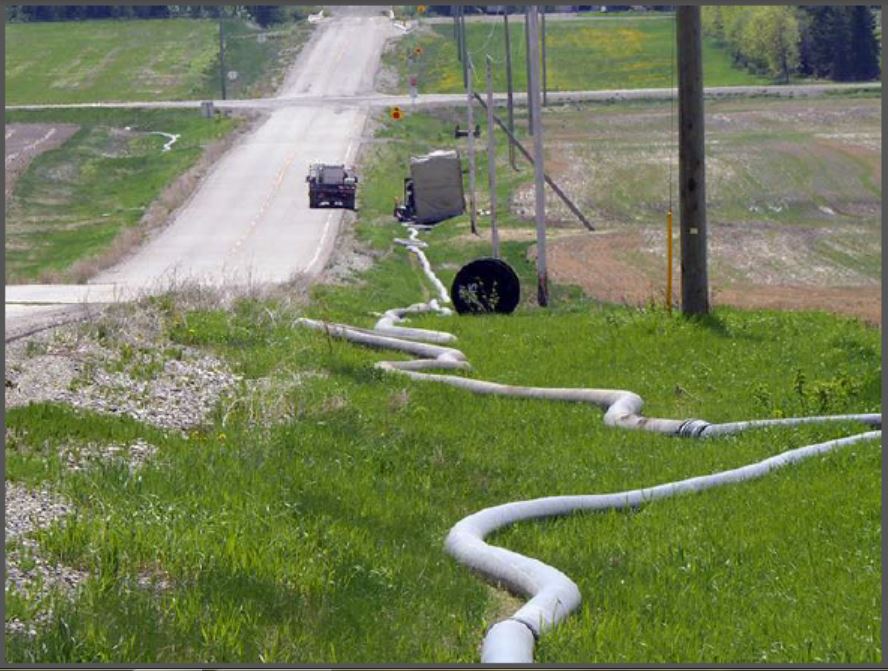
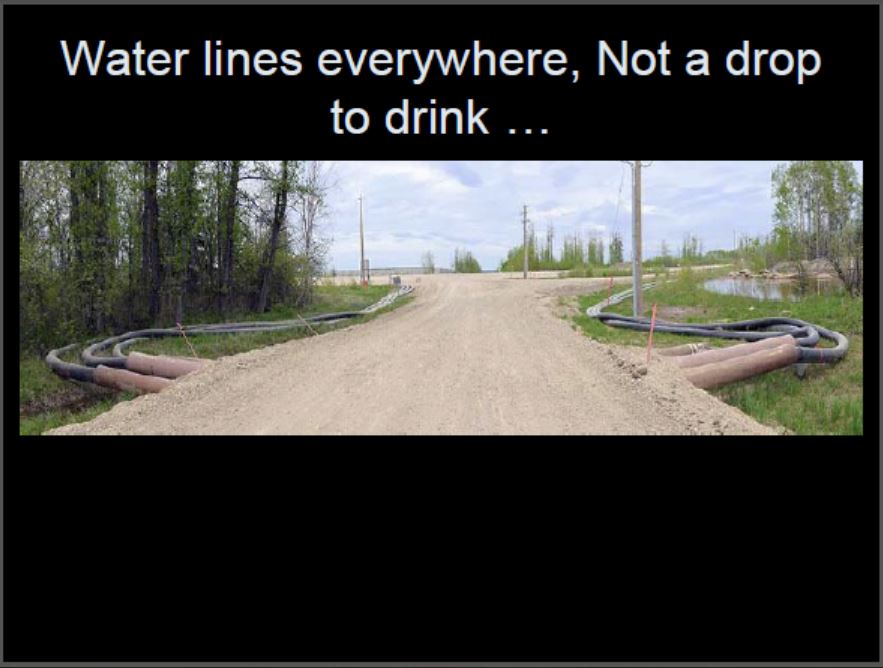
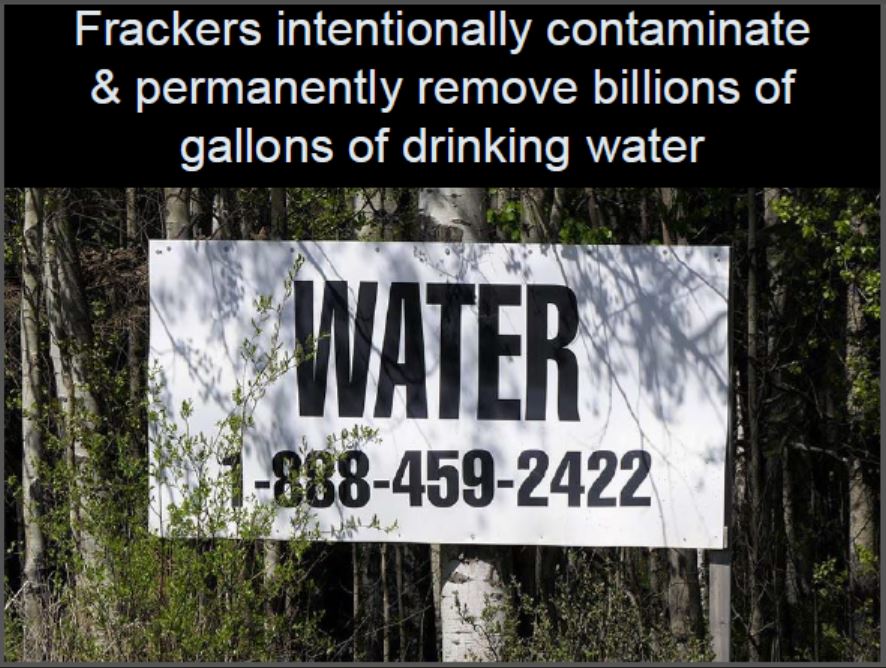
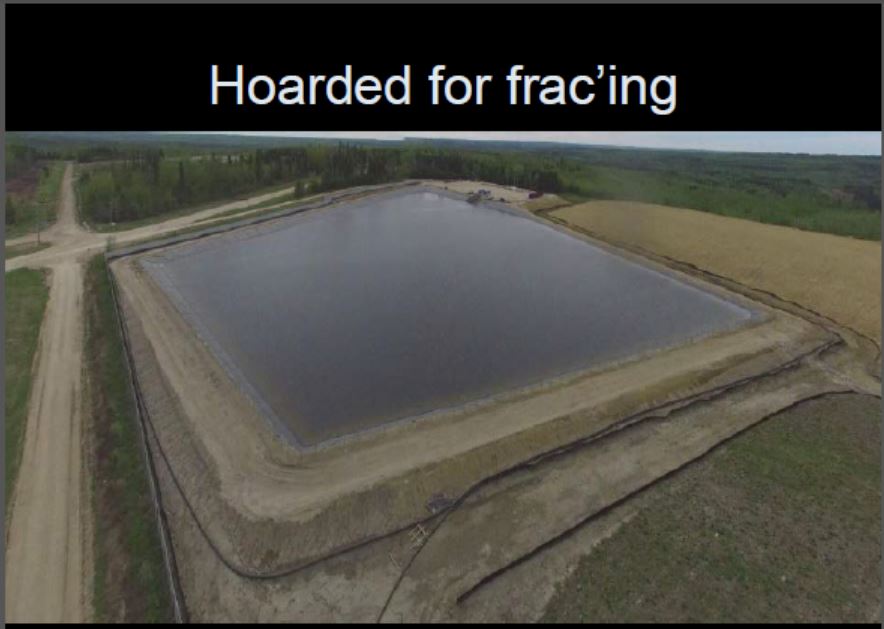
Photos above by Will Koop; slides in Ernst presentations
2024: Alberta, The Wild Wild West of Stupid: Under extreme drought and climate chaos diminishing supplies, frac’ers plan to truck water province-wide
Thames Water, the UK’s latest water company, is in emergency talks with water regulator Ofwat and is in danger of collapsing.
The company serves 15 million customers across London and the South East. News of its potential demise emerged….
At the time, England and Wales were the only countries in the world to have a fully privatised water and sewage disposal system. … Those with more conservative views tend to support privatisation,….
Former shadow chancellor of the exchequer, John McDonnell, says: “Thirty years ago our water – something we all owned – was sold off. Privatisation has largely enriched private shareholders who have done little to invest in this essential public service.
“When the water companies were sold off, the government took on their historic debts. Since, they have accumulated over £45bn of debt that is ultimately the responsibility of billpayers or governments.” …
Water companies have been heavily criticised in recent years for their dismal records on sewage pollution, leaks and customer care, and regulator Ofwat has been putting pressure on them to increase investment. …
“The problem with water companies is they need enormous amounts of continued investment,” said Mr Goodall, adding he has “no idea” what the process would be “of raising the billions of pounds required to get Thames Water’s infrastructure up to reasonable 20th-century standards”. …
2023: England’s ill-fated experiment with privatising water
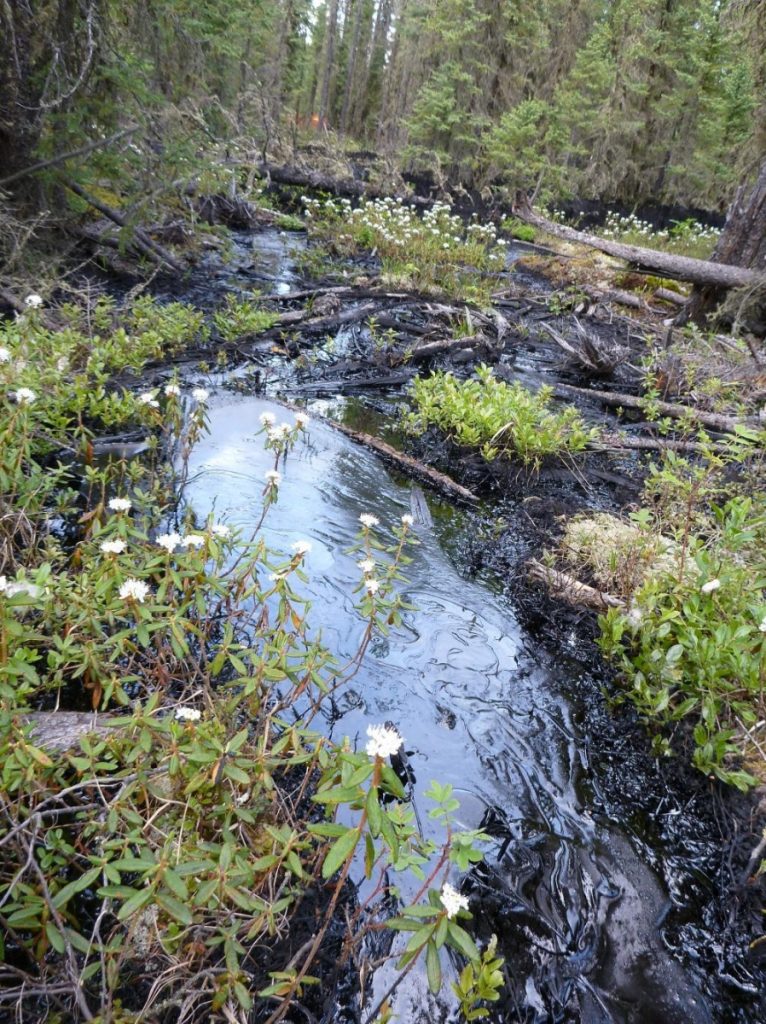
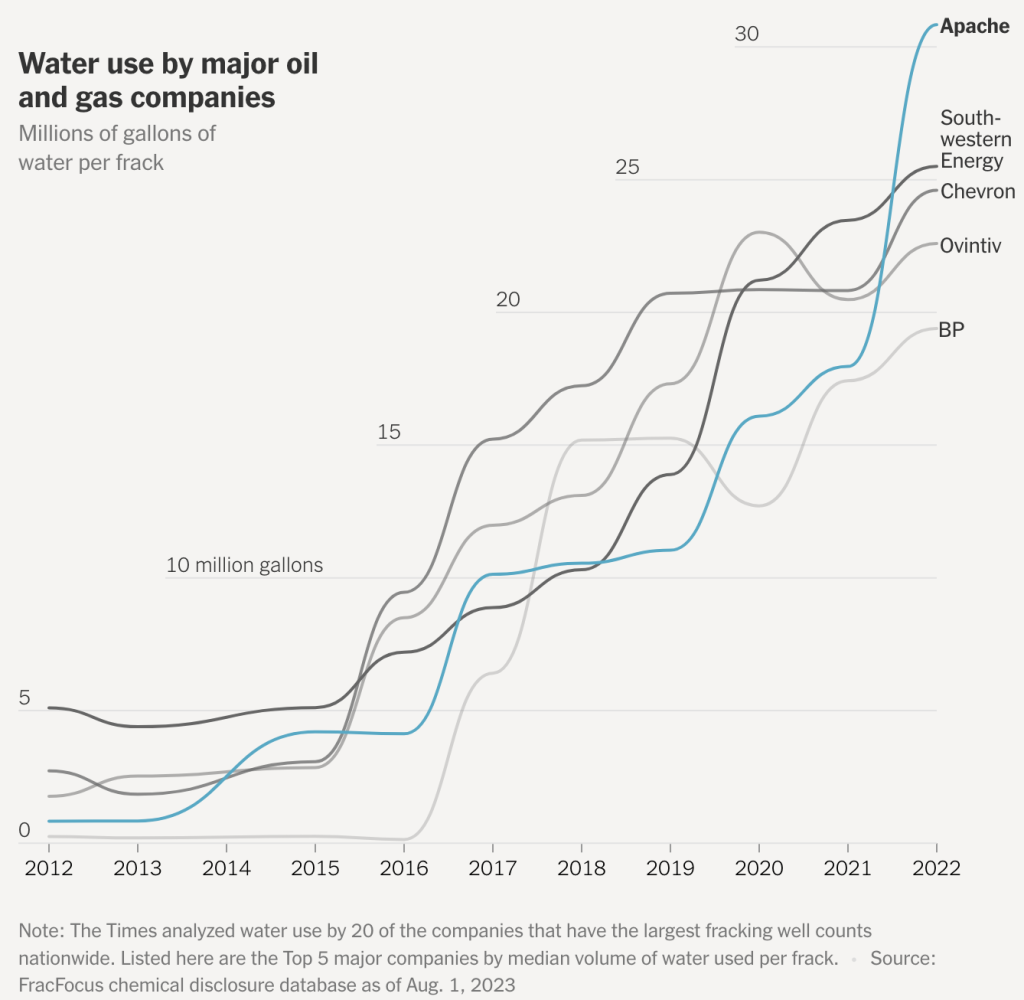
A proportion (25% to 100%) of the water used in hydraulic fracturing is not recovered, and consequently this water is lost permanently to re-use, which differs from some other water uses in which water can be recovered and processed for re-use.
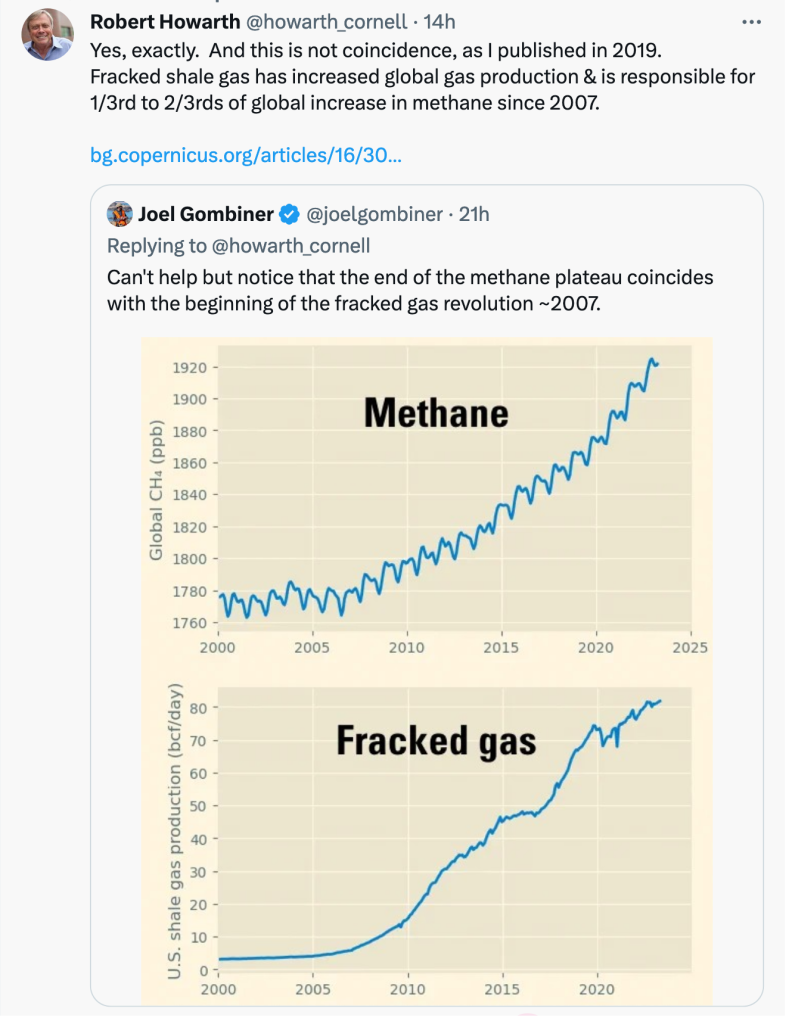
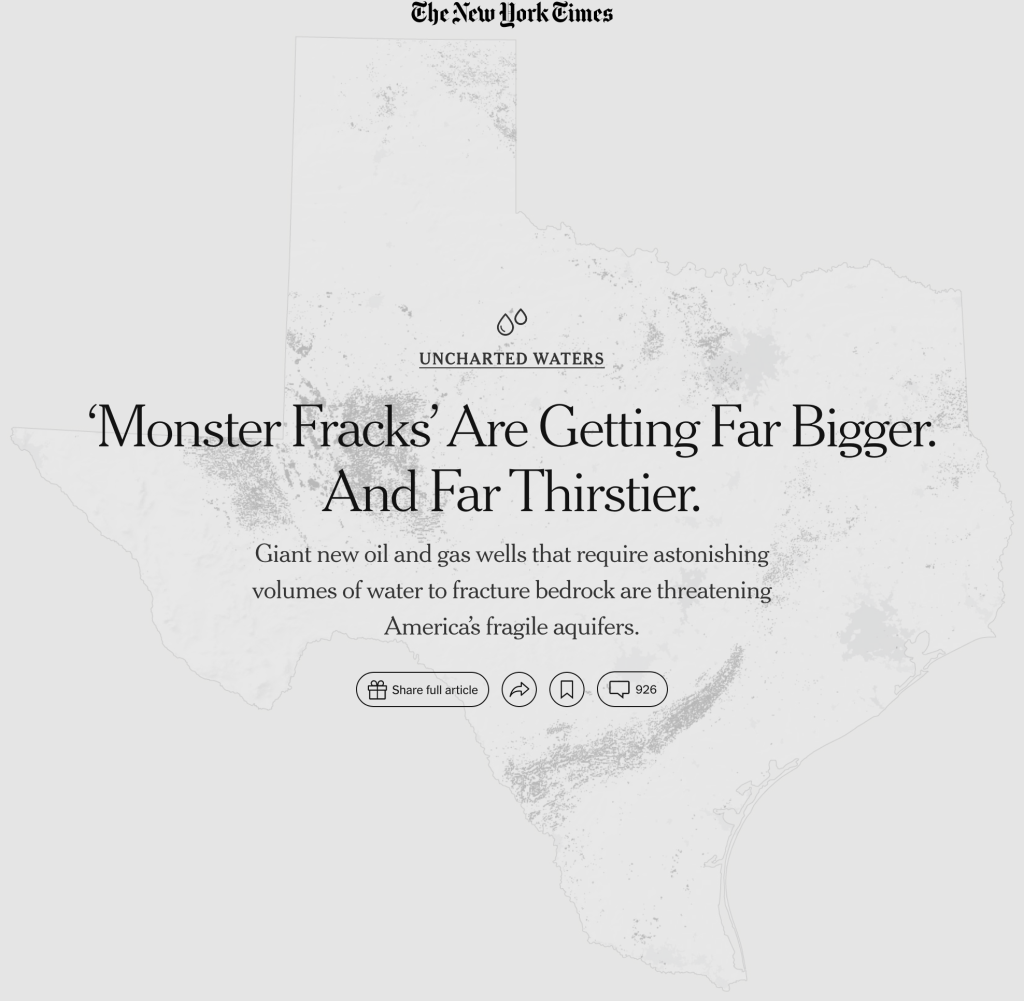

2012: Encana pipeline break leaks frack water in Silt
2010: Natural gas debate: Proposed water pipeline pits neighbor against neighbor in Dimock
2006, My water after Encana/Ovintiv illegally frac’d, enabled by AER and the Alberta gov’t, the drinking water aquifers that supply my well:
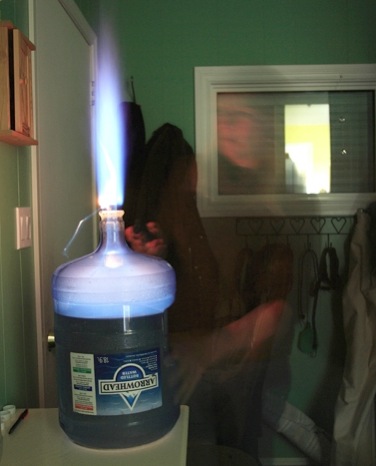
Photo by Colin Smith. The flame reached the ceiling and the explosion when it ignited was so loud and violent, it made me jump away, thus I am blurred.