
Lewy body dementia promotion by air pollutants by Xiaodi Zhang, Haiqing Liu, Xiao Wu, Longgang Jia, Kundlik Gadhave, Lena Wang, Kevin Zhang, Hanyu Li, Rong Chen, […] , and Xiaobo Mao +33 authors, Sept 4, 2025, Science
Vol 389, Issue 6764
Editor’s summary
Air pollution was recently found to be associated with increased risk of developing dementia. Zhang et al. investigated the relationship between PM2.5, an index of particle pollution, and the development of Lewy body dementia (LBD), the second most common form of dementia. Epidemiological data showed that PM2.5 exposure was associated with an increased risk of developing LBD. In mice, nasal administration of PM2.5 led to brain atrophy due to the accumulation of pathological α-synuclein, loss of dopaminergic neurons in the substantia nigra, and impaired cognition and motor function. The results identify a potential mechanistic link between air pollution and the development of dementia. —Mattia Maroso
Structured Abstract
INTRODUCTION
Lewy body dementia (LBD), comprising dementia with Lewy bodies (DLB) and Parkinson’s disease (PD) with dementia (PDD), is a devastating and increasingly prevalent neurodegenerative disorder. Ambient PM2.5 is a recognized broad dementia risk factor; however, its specific role in initiating LBD, particularly its distinct pathological trajectory versus PD without dementia, remains unaddressed. This study systematically investigates this link.
RATIONALE
Pathologic α-synuclein (αSyn) is the defining neuropathological hallmark of LBD. A leading hypothesis posits that environmental neurotoxins, such as fine particulate matter (PM2.5), could trigger initial αSyn misfolding and propagation into the brain. However, epidemiological relationships between PM2.5 exposure and LBD versus PD subtypes lacked large-scale substantiation. Whether PM2.5 can induce αSyn to form pathogenic strains that drive LBD’s specific clinical and pathological signatures remains unclear. Elucidating this environmental-molecular nexus is key to unravelling LBD pathogenesis and identifying targeted interventions. Our study aimed to dissect these fundamental mechanisms.
RESULTS
Convergent, multimodal evidence from large-scale human epidemiology, molecular, cellular, animal, and patient studies demonstrated a robust PM2.5-LBD link.
First, analysis of >56 million US Medicare beneficiaries revealed that chronic PM2.5 exposure was significantly associated with first hospitalizations for α-synucleinopathies. A key finding was that the link between PM2.5 exposure and hospitalization risk was stronger for LBD (PDD and DLB) patients than for those with PD without dementia, implying a preferential vulnerability or pathogenic mechanism in LBD.
Second, we demonstrated an essential role of αSyn in PM2.5-related neurological disorders. Chronic PM2.5 exposure in wild-type (WT) mice induced brain atrophy, cognitive deficits, and widespread αSyn pathology in the brain and peripheral organs (gut, lungs) as well as concomitant tau pathology. Genetic ablation of αSyn conferred strong protection against these PM2.5-induced detrimental effects, clearly establishing αSyn as an important mediator of this environmental neurotoxicity.
Third, we found that PM2.5 from diverse global sources (US, China, and Europe) induced conformational change in αSyn preformed fibrils (PFFs), inducing a distinct αSyn strain (PM-PFF). PM-PFF remained stable across passages and, compared with PFF, exhibited LBD-like pathogenic features, including accelerated aggregation, degradation resistance, enhanced propagation, and increased neurotoxicity, mimicking αSyn strains found in LBD. When inoculated into humanized αSyn mice, this PM-PFF strain preferentially induced cognitive impairments, contrasting with the primarily motor deficits induced by PFF. Consistently, brain transcriptomic analyses revealed that both chronic PM2.5 exposure and PM-PFF inoculation in humanized αSyn mice elicited gene expression signatures that mirrored those of LBD (PDD and DLB) but not those of PD without dementia, underscoring an LBD-specific pathogenic axis.
CONCLUSION
This study provides evidence linking PM2.5 exposure to LBD. The neurotoxic effects of PM2.5 appear to be mediated by αSyn, with exposure generating a pathogenic strain (PM-PFF) that shares key properties with αSyn strains in human LBD. In mice, this strain induced cognitive deficits and transcriptomic changes resembling those in LBD patients, distinct from those in PD without dementia. These findings identify an environmental mechanism contributing to LBD pathogenesis and underscores the role of αSyn. The PM2.5-induced strain represents a potential target for therapeutic intervention. Collectively, these results emphasize the importance of further research into air pollution’s role in neurodegenerative diseases and its implications for public health strategies.

Abstract
Evidence links air pollution to dementia, yet its role in Lewy body dementia (LBD) remains unclear. In this work, we showed in a cohort of 56.5 million individuals across the United States that fine particulate matter (PM2.5) exposure raises LBD risk. Mechanistically, we found that PM2.5 exposure led to brain atrophy in wild-type mice, an effect not seen in α-synuclein (αSyn)–deficient mice. PM2.5 exposure generated a highly pathogenic αSyn strain, PM2.5–induced preformed fibril (PM-PFF), with enhanced proteinase K resistance and neurotoxicity, resembling αSyn LBD strains. PM2.5 samples from China, the United States, and Europe consistently induced proteinase-resistant αSyn strains and in vivo pathology. Transcriptomic analyses revealed shared responses between PM2.5-exposed mice and LBD patients, underscoring PM2.5’s role in LBD and stressing the need for interventions to reduce air pollution and its associated neurological disease burden.

Air pollution can drive devastating forms of dementia, research suggests, Airborne particles cause toxic clumps of proteins in brain that are hallmarks of Lewy body dementia, study indicates by Ian Sample, 4 Sep 2025, The Guardian
Fine-particulate air pollution can drive devastating forms of dementia by triggering the formation of toxic clumps of protein that destroy nerve cells as they spread through the brain, research suggests.
Exposure to the airborne particles causes proteins in the brain to misfold into the clumps, which are hallmarks of Lewy body dementia, the third most common form of dementia after Alzheimer’s disease and vascular dementia.
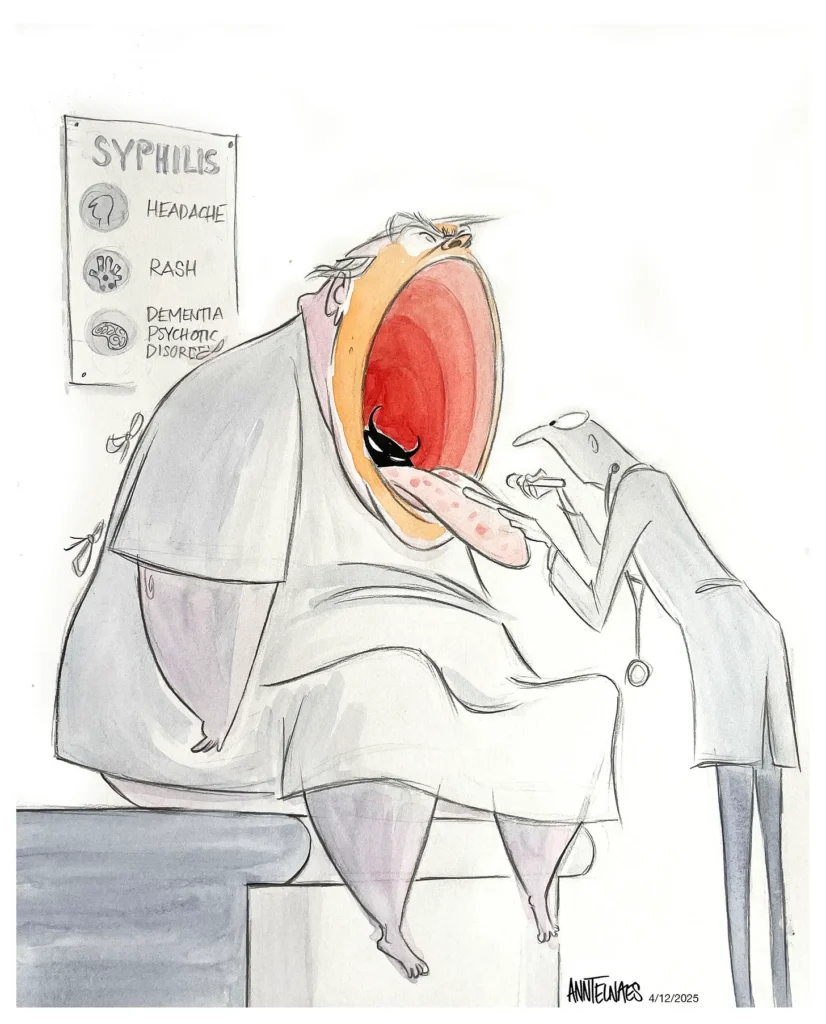
The finding has “profound implications” for preventing the neurodegenerative disorder, which affects millions worldwide, with scientists calling for a concerted effort to improve air quality by cutting emissions from industrial activity and vehicle exhausts, improving wildfire management and reducing wood burning in homes. Human idiocy and greed, keenly exhibited in USA’s Adolf Orange, will never let that happen.
“Unlike age or genetics, this is something we can change,” said Dr Xiaobo Mao, a neurologist at Johns Hopkins University in the US and the study’s lead investigator.
“The most direct implication is that clean air policies are brain health policies.”
The researchers began by analysing hospital records of the 56.5 million US Medicare patients. They looked at those who were admitted for the first time between 2000 and 2014 with the protein damage. Armed with the patients’ zip codes, the scientists estimated their long-term exposure to PM2.5 pollution, airborne particles that are smaller than 2.5 thousandths of a millimetre. These can be inhaled deep into the lungs and are found in the bloodstream, brain and other organs.
They found that long-term exposure to PM2.5 raised the risk of Lewy body dementia, but had less of an impact on rates of another neurodegenerative brain disease that is not driven by the toxic proteins.
Lewy bodies are made from a protein called alpha-synuclein. The protein is crucial for healthy brain functioning, but can misfold in various ways to produce different kinds of harmful Lewy bodies. These can kill nerve cells and cause devastating disease by spreading through the brain.
To see if air pollution could trigger Lewy bodies, the team exposed mice to PM2.5 pollution every other day for 10 months. Some were normal mice, but others were genetically modified to prevent them making alpha-synuclein. The results were striking: in normal mice, nerve cells died off, leading to brain shrinkage and cognitive decline. The genetically modified mice were largely unaffected.
Further work in mice showed that PM2.5 pollution drove the formation of aggressive, resilient and toxic clumps of alpha-synuclein clumps that looked very similar to Lewy bodies in humans. Although the work is in mice, the findings are considered compelling evidence.
“Putting the two together, to me, indicates that there’s a pretty strong association with air pollution causing Lewy body dementia. We think it’s a very important driving factor for dementia,” said Ted Dawson, a senior author on the study and a professor in neurodegenerative diseases at Johns Hopkins. “There needs to be a concerted effort to keep our air clean.”
The work, published in Science, builds on previous studies that have found PM2.5s in people’s brains where damage has been linked to Alzheimer’s disease and reductions in intelligence.
“Our findings have profound implications for prevention because they identify air pollution as a modifiable risk factor for Lewy body dementia,” Mao told the Guardian. “By lowering our collective exposure to air pollution, we can potentially reduce the risk of developing these devastating neurodegenerative conditions on a population-wide scale.”
Last year, researchers at University College London and the Francis Crick Institute in London launched a project called Rapid, for Role of Air Pollution in Dementia, to investigate how the air we breathe may harm the brain.
“This is an important and compelling study that deepens our understanding of how air pollution can drive neurodegenerative disease,” said Prof Charles Swanton, a co-leader of the Rapid project and deputy clinical director at the Crick.
“By linking fine-particulate matter exposure to the biology of Lewy body dementia, it provides a mechanistic bridge between environmental exposure and disease pathology. More broadly, the work underscores the urgent need to understand and mitigate the impact of air pollution on dementia and disease risk more broadly, given its enormous and growing public health burden.”
Refer also to:
New research: Air pollution: a latent key driving force of dementia including Alzheimer’s.
New study: COVID-19 accumulates and persists in the body, especially the brain, for years.
Health Canada: Poisoning Canadians to please Monsanto/Bayer, the oil patch and frac’ers?
Humanity’s polluted planet creating plastic-brained zombies?