Cancer, climate change, fossil fuels, and war: a call for action by Nancy Krieger, April 3, 2026, The Lancet
email hidden; JavaScript is required
Since 2020, there has been a marked uptick in articles focused on links between cancer and climate change.1 As documented by a 2025 bibliometric analysis,1 major foci include: “climate change and cancer, pollution and cancer, sun exposure, temperature and skin cancer, and air pollution and climate change”. Among these concerns are: adverse effects of petrochemicals on physiological systems and DNA; adverse occupational and environmental exposures tied not only to petrochemical industries but also to new green energy industries (eg, involving battery production); and access to health care for climate refugees.1,2
There is scant focus, however, on who is accountable for climate change and its myriad adverse effects, including for cancer control across the cancer continuum. The connections could not be made clearer than by the current debacle of raging warfare in the Middle East.3
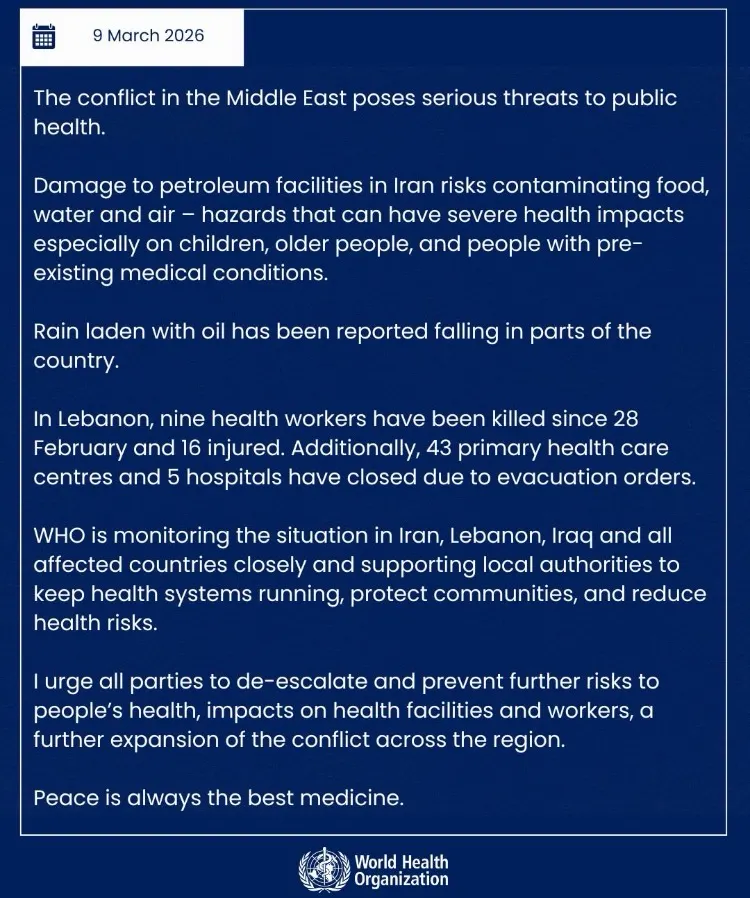
News accounts are full of reports of black rain, laden with carcinogens, falling upon Tehran and other areas in Iran, and caused by the bombing of oil depots, with the resulting environmental pollution posing immediate risks to health and for generations to come.3 Threats of oil spills in the Straits of Hormuz due to ships being bombed or destroyed by mines augur enduring environmental damage to ecosystems and heightened risks of cancer.3
The common thread is control of fossil fuels and power, both literal and political.3,4 Yet literature on climate change and cancer has barely broached this topic.1,2
The irony runs deep, considering the historical and key role of carcinogenic tars in understanding cancer aetiology. After all, it was the pathbreaking 18th century work of Sir Percival Pott that linked exposure to coal soot to development of scrotal cancer in young chimney sweeps.5 Subsequent generations of research has elucidated the varied biological mechanisms by which exposure to carcinogenic petrochemicals increases risk of cancer in many species.5
The time is now for any and all concerned about risk of cancer, whether researchers, clinicians, patients, or affected family members, to take action to mitigate the risk of environmental and multi-generational carcinogenic debacle in the Middle East—and link this to the broader risks of climate change literally fuelled by fossil fuels.1,2 Such actions can be taken as health professionals, as members of professional societies, or as private individuals, and can include contacting political representatives, developing policy briefs, or joining public demonstrations. Silence is not an option.
Competing Interests
NK is supported in part by an American Cancer Society Clinical Research Professorship. The American Cancer Society had no role in the preparation, review, or decision to submit this Correspondence. The views expressed are solely those of the author.
References
Gupta, S ∙ Babu, P ∙ Haldar, D ∙ et al.
The intersection of climate change and cancer across global populations: a bibliometric analysis (2000–2024)
Cancer Epidemiol. 2025; 99, 102926
Turner, MC ∙ Basagaña, X ∙ Albin, M ∙ et al.
Occupational health in the era of climate change and the green transition: a call for research
Lancet Reg Health Eur. 2025; 54, 101353
Fieldhouse, R ∙ Basu, M
‘Black rain’ in Tehran: what are the health effects?
https://www.nature.com/articles/d41586-026-00800-9
Date: 2026
Date accessed: March 24, 2026
Johnstone, P ∙ McLeish, C
World wars and the age of oil: exploring directionality in deep energy transitions
Energy Res Soc Sci. 2020; 69, 101732
Fernandez-Flores, A ∙ Fonseca, E
Scrotal cancer, chimney sweepers and Sir Percival Pott
Clin Dermatol. 2022; 40:209-220
Refer also to: