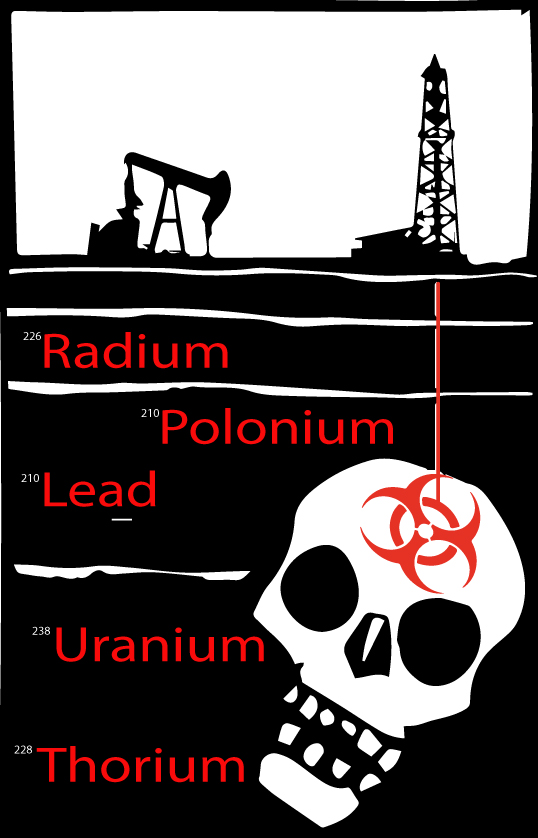
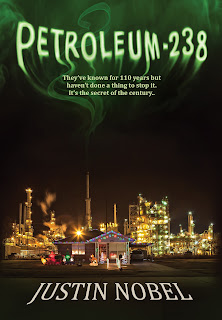
2021: Presentation by Justin Nobel on frac waste and its “terrifying levels of radioactivity”
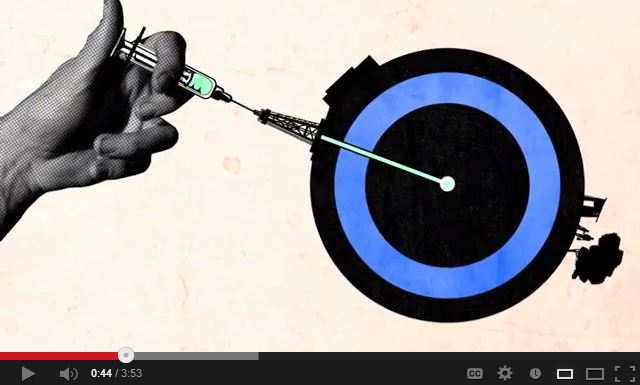
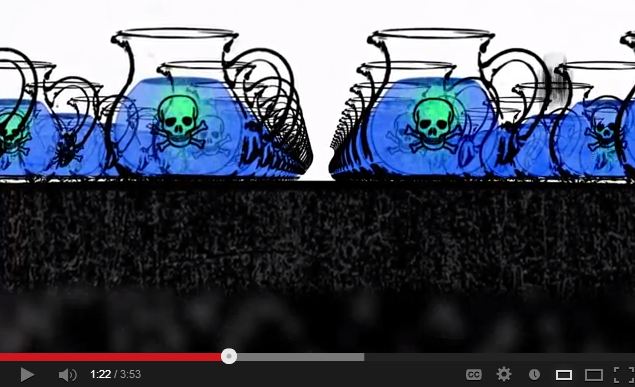
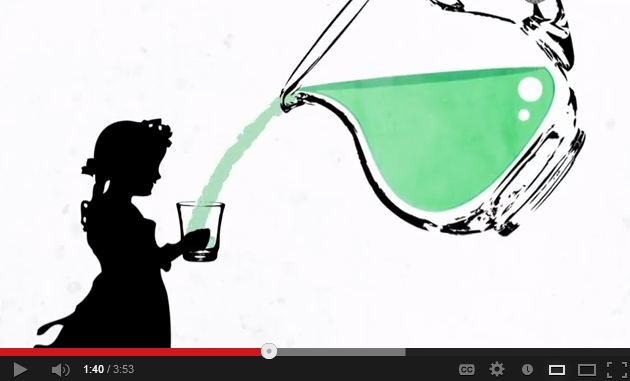
Advocates decry a bill that would allow discharge of treated fracking waste into surface, groundwater by Bryce Dix, Feb 4, 2026, KUNM 89.9 FM Live From The University Of New Mexico
A newly minted bill in the legislative session that would allow the discharge of treated oil and gas wastewater into New Mexico’s streams, rivers, and aquifers is garnering widespread condemnation from environmentalists.
House Bill 207 – sponsored by six Republicans and one Democrat – is the latest development in a years-long battle among environmental groups, the oil and gas industry, and Gov. Michelle Lujan Grisham over recycling fracking wastewater.
“Produced water is a mix of the water that was used in the fracking process, that is full of toxic chemicals – some of which we don’t know what they are, because they’re proprietary trade secrets,”Sarah Knopp, a policy analyst with the northern New Mexico-based environmental nonprofit Amigos Bravos.
Produced water is known to be saltier than seawater and sometimes contain heavy metals like arsenic. Oil and gas companies have increasingly sought trade secret designations to keep the formula of their fracking fluids, which help break up rock to extract fossil fuels, a mystery from the public.
Right now, the oil and gas industry has three options to get rid of this so-called “produced water”: reinject it deep below the earth’s surface; reuse it for more fracking; or put it into a giant evaporation pond.

This bill would move the needle, allowing state regulators to create new rules that would, among other changes, dole out permits to discharge treated oilfield wastewater into the state’s surface and groundwater.
“The science that we are looking at right now does not support the idea that this water can be safely treated with existing technologies to remove all the contaminants that will damage human health and the environment,” Knopp said.
A recently published synthesis of over 200 academic papers found various gaps in existing produced water research – like what exact contaminants exist in the water, their health effects, how they interact with the environment, and treatment effectiveness.
As written, language would also mandate the state’s Water Quality Control Commission (WQCC) to consider rules and regulations about produced water reuse for:
- Pilot projects
- Industrial and commercial uses
- Hydraulic cement and concrete production
- Closed-loop geothermal projects
- Hydrogen production
- Irrigation of industrial crops
- Road construction and maintenance
- Roadway ice and dust control
- Other construction uses
- Ecological restoration
These changes would alter a decision last year by the Water Quality Control Commission to ban the discharge of any produced water into the state’s ground or surface water.
Shortly after the decision was issued, a fossil fuel special interest group called the Water, Access, Treatment and Reuse (WATR) Alliance  of earth raping douche fucking monsters petitioned to have the issue reopened – forcing the commission to take a second look at its ruling.

Ultimately, the resulting hearings to consider a possible produced water rule change were vacated after environmentalists accused the governor’s office and other state officials of improperly pushing behind the scenes to overturn the ban on fracking wastewater discharge.
Gov. Michelle Lujan Grisham has frequently touted the reuse of fracking wastewater as a way to fight off the state’s diminishing water resources.
Stupidity and greed of humans on crack. Think of how much water North America would have if there had been no frac’ing and no injection of water for enhanced oil recovery. Stupidest most hideous species on earth.
A proportion (25% to 100%) of the water used in hydraulic fracturing is not recovered, and consequently this water is lost permanently to re-use, which differs from some other water uses in which water can be recovered and processed for re-use.
For now, the original ban on surface and groundwater discharge remains in place pending yet another petition by WATR that could be heard by the commission when they meet in March.
On Jan 30. Lujan Grisham issued an executive message about the water discharge bill, which allows the legislature to debate it during the 30-day session slated to end Feb. 19 at noon.
Generally, sessions that take place in even years are reserved for the state’s budget and highly specific issues on the governor’s call.
In a statement to KUNM, the governor’s office wrote that Lujan Grisham remains committed to advancing responsible and protective produced water reuse rules, and that “House Bill 207 will allow the legislature to evaluate when and how we advance science-based rules that will create new economic opportunities while protecting our natural resources and human health.”One cannot frac and protect natural resources and human health, or health of any living being. Gov’ts that allow frac’ing are anti-science and anti-life.
Still, the bill doesn’t stipulate what “treated” water means, which contaminants must be removed from the produced water, or outline what environmental/health standards must be met.
I bet industry will dictate the cheapest least effective treatment. Reverse osmosis treatment is expensive, but still does not remove toluene – a common brain-damaging contaminant in oil and gas industry operations, it’s products and its waste and produced waters. And industry will not be able to remove the radioactivity
These issues would be hashed out by the Water Quality Control Commission rulemaking process. If the legislation is passed, these regulations would need to be drafted very quickly – by the end of the year, according to the bill.
While originally slated to be heard in the House Agriculture, Acequias and Water Resources committee on Thursday, the proposed legislation was dropped from the agenda and should be rescheduled for debate in the coming week.