Alberta First Nation sues B.C. over Site C dam impacts by Mark Page, November 10, 2026, Oak Bay News
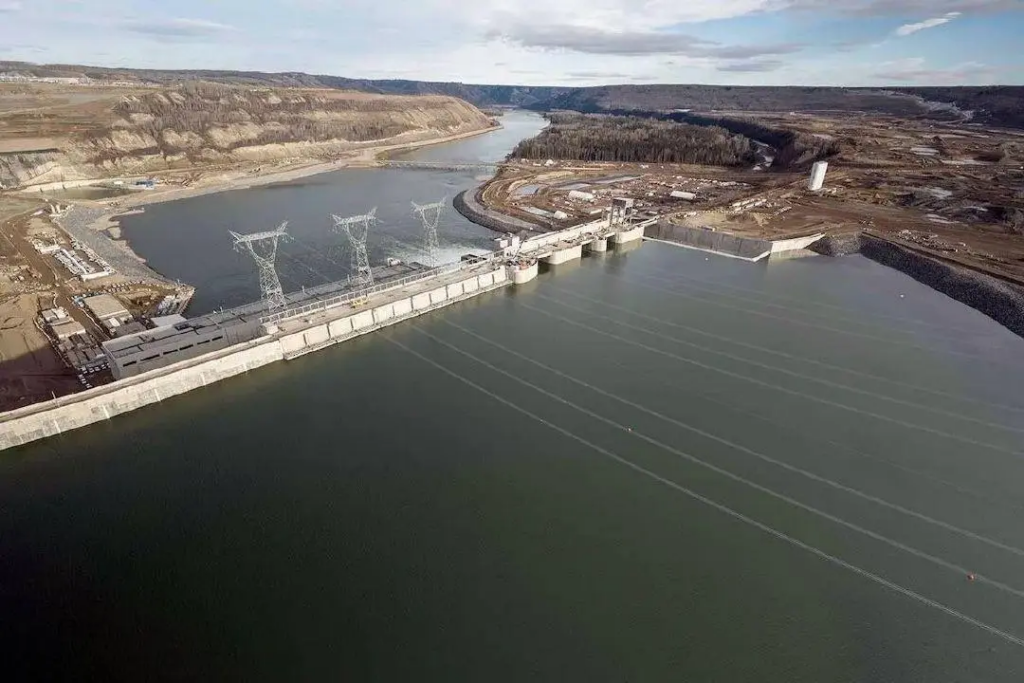
The John Horgan Dam, formerly known as Site C. (Photo courtesy BC Hydro)
The Athabasca Chipewyan First Nation in Alberta is suing British Columbia, the federal government, and BC Hydro for what it says are Treaty 8 rights violations related to several dams on the Peace River, including Site C, now known as the John Horgan Dam.
“The Province and British Columbia Hydro built these hydroelectric projects without regard for the rights, culture and way of life of ACFN, which includes the exercise of its Treaty Rights,” the lawsuit, filed on Nov. 5 in B.C. Supreme Court, argues.
B.C.’s Ministry of Attorney General declined to comment on the case because the government is in “caretaker mode” following the Oct. 24 election. The incoming government is not due to be sworn in until Nov. 20.
The First Nation signed Treaty 8 in 1899, guaranteeing protection for the Chipewyan way of life in exchange for allowing settlement and development in the nation’s territories.
When B.C. began building dams along the Peace River, including the W.A.C. Bennnet Dam (completed in 1967), the Peace Canyon Dam (completed in 1980), and finally the Site C Dam (finished in 2024), the nation says the province failed to consult on the impacts on the Peace River Delta.
And B.C. is now in the early stages of “information-gathering” on another potential dam on the river at a place known as Site E near the Alberta border.
The nation says that BC Hydro did not even speak of the downstream impacts during hearings related to the earlier dams, and did not include the delta area in the environmental assessment area for Site C, claiming there would be “no detectable effects” from Site C.
But the Athabasca Chipewyan First Nation says it is experiencing lasting impacts from the dams.
The nation blames the dams for altering the river’s natural flow and seasonal timing, impacting water quality and interfering with the area’s natural ecology, which affects fish, wildlife and vegetation.
According to the court filing, the nation says this impacts its rights by destroying and taking away access to key hunting and trapping territory, restricting access to traditional cultural sites, interfering with the application of traditional laws, and harming the traditional way of life.
For relief, the First Nation seeks a slew of injunctions, mostly related to the operation of the Site C dam. These range from preventing “continuation or repetition of negligence in relation to Site C” to compensation for damages and “disgorgement of royalties” related to all of the hydroelectric projects in question.
None of the claims have been decided in court, and the province has yet to file a response to the claim. Named defendants have 21 days to reply from the date of being served.