Aye Aye:
This is very bad. These toxic chemicals from the oilsands are very harmful to humans, plants and wildlife. The UCP simply cares about money. Worse, UCP are controlled by extremist insane religion which believes God will fix all (it’s not God’s responsibility, if there even is a god), it’s our responsibility to clean our toxic filth and abuses on earth and in space. The religious help the rich rape to their greed’s desires, that and too many humans raping and killing women and girls for misogynistic religious reasons is why I believe it’s time to ban religions, at the very least, ban them from politics, schools, health, gov’ts, regulators, and remove their raping tax free status
Graham:
The idea of injecting poison into underground aquifers or even the remote possibility that it could reach aquifers through undetected pathways is colossally stüpid. STOP polluting our fresh water sources. Clean up the mess we made properly. There is no easy fix, there is no cheap solution. The best and proper way is the only way, anything else will boomerang back on us some point in the future and will forever haunt us. This cleanup is part of the cost of business, this must be calculated into the profitability of these types of operations. Clearly it hasn’t been. The same goes for fracking gas, coal and other mines, logging our forests and all the rest of our natural resource extraction industries. The costs can only be delayed, deferred or transferred but they can’t be erased or reduced. The costs is the cost.
We already know that fracking for gas poisons deep aquifers so I can’t see how injecting tar sands tailings is going to somehow be miraculously exempt from the same result. Ask anyone walking by on any street if they think this is a good idea and I’m sure most would think it’s not and the rest would be very skeptical. It doesn’t sound like a good idea at all to even an unscientific mind.
Why don’t we say we are just going to fill rocket ships with the tailings and blast them off into the sun? One leaves every hour starting next week and for eternity.
Who’s Angling to Store Oilsands Toxic Waste Underground? A key deep-injection player is Aqua Solutions, which advised the government while lobbying for business. Critics raise conflict concerns by Charles Rusnell, 2 Jul 2025,The Tyee
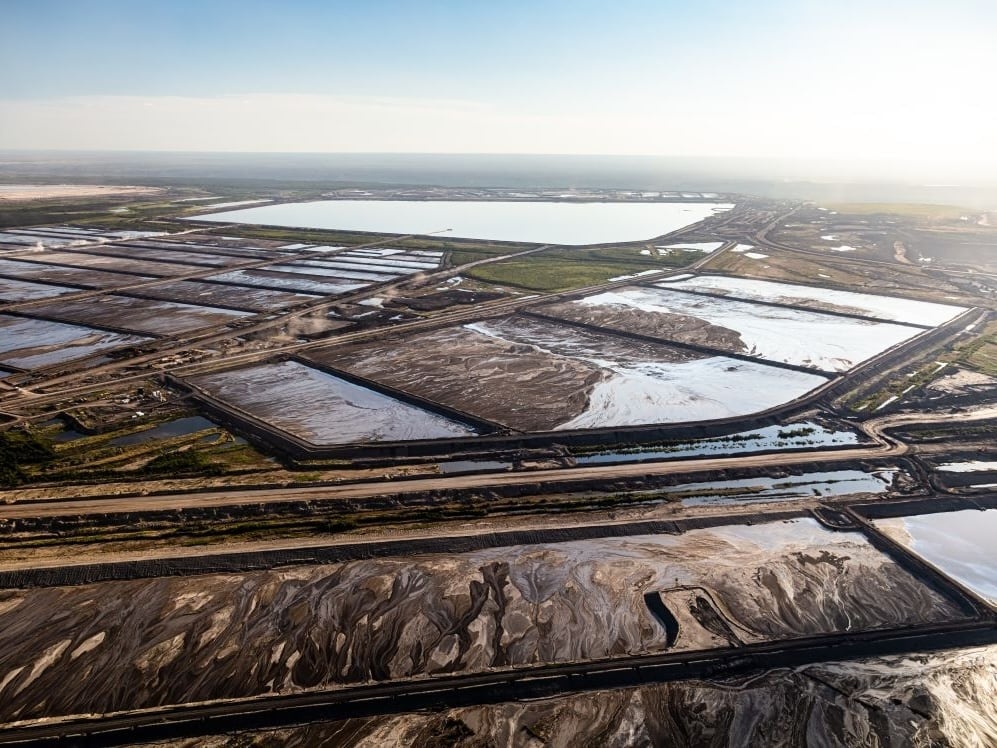
For decades, successive conservative governments in Alberta have promised that technology will address the massive environmental threat posed by toxic oilsands mine wastewater stored in tailings ponds lakes near Fort McMurray, now so large they are more than twice the size of Vancouver.
On June 12, Alberta’s Environment Ministry released a report by its government-appointed Oilsands Mine Water Steering Committee. One of the committee’s five major policy recommendations was to consider allowing companies to inject untreated wastewater deep underground, “once all other options have been fully explored.”
This recommendation would have come as no surprise to Calgary-based Aqua Solutions Inc. The oilsands infrastructure company wants to use its deep-well injection technology to store billions of litres of mine wastewater underground.
Nor would it surprise environmentalists, academics and others who have long complained about the intertwined, conflict-laden relationship between the oilsands industry and the Alberta government.
As its website states, Aqua was invited to participate in the committee, whose recommendation to allow wastewater injection could directly benefit the privately held company.
It appears Aqua participated in the committee’s work even as provincial lobbyist registry records show it lobbied the premier’s office, Alberta Energy and Minerals, Alberta Indigenous Relations, individual MLAs and the Alberta Energy Regulator, or AER.
“Aqua Solutions believes our work on deep-well disposal is complementary to work industry has been pursuing toward reclamation of the tailings ponds,” the company said in a statement posted on its website shortly after the committee released its report.
“We welcome the opportunity to collaborate with industry on the recommendations from the Water Steering Committee.”
The AERwhich is UCP controlled via Herr Yager, bestie of Nazi premier Danielle Smith will decide if Aqua is allowed to proceed with its wastewater injection project. Oil and gas industry lobbying of the AER is common in Alberta. The AER is supposed to be arm’s-length, but critics have alleged it has been captured by the oil industry and it accedes to directives from Alberta’s United Conservative Party government. Its regulatory failings have been well documented for decades.
Absent from Aqua’s lobbying registry list was Alberta Environment.
Provincial records show Garrison Strategy registered to lobby for Aqua on Feb. 11. A partner in Garrison is Cole Schulz, the husband of Environment Minister Rebecca Schulz, although Cole Schulz is not listed as a lobbyist on the file. There has been a previous allegation of conflict of interest involving the Schulzes.
The environment minister’s press secretary did not respond to a query from The Tyee about whether Aqua had made any representations to the minister or the ministry about its wastewater injection proposal.
A tie to a controversial driller in Namibia
Diana McQueen, a former Alberta minister of environment and of energy, is on Aqua’s board of directors. She is also board chair of another Calgary company, Reconnaissance Energy Africa Ltd., or ReconAfrica, and was directly involved in the company’s operations in southern Africa.
Neither Aqua nor ReconAfrica responded to requests for comment or an interview with McQueen.
ReconAfrica has drawn criticism for its environmental track record while drilling what have so far been exploratory dry holes in the watershed of the Okavango Delta in Namibia.
Spread over five African countries, the delta, a UNESCO World Heritage Site, is the world’s largest protected international wildlife reserve and is home to many threatened species. More than a million people depend on water from the delta’s watershed.
National Geographic and Rolling Stone have published investigations of ReconAfrica’s environmental and stock promotion record related to the Okavango project.
In Canada, the Globe and Mail has reported that the RCMP is investigating ReconAfrica for “alleged offences under a Canadian law prohibiting the corruption of foreign public officials, as well as possible securities fraud. The police have made no formal allegation of wrongdoing against ReconAfrica, and the investigation could conclude that no charges are warranted.”RCMP and local police in oil and gas jurisdictions in Canada are violently racist, misogynistic and clearly corrupt, and are guardians of criminal oil and gas companies and their corrupt regulators and politicos, paid by taxpayers to protect private profit. The RCMP and police also often protect rapists and violent murderous abusers of women and girls. The raping misogyny is thick in Caveman Canada, with our cowardly police, RCMP, judges, and lawyer self regulators protecting the rapists while revictimizing and brutalizing the harmed.
The RCMP reneged on a promised response to a query from The Tyee about whether the investigation is ongoing.
On April 9, 2024, the international human rights program at the University of Toronto faculty of law filed a complaint about ReconAfrica to the Office of the Canadian Ombudsperson for Responsible Enterprise. That office reviews and tries to resolve complaints about possible human rights abuses by Canadian companies operating outside Canada in the garment, mining and oil and gas sectors.
The 170-page University of Toronto complaint alleges ReconAfrica’s oil and gas activities breached the human rights of people in the area. A spokesperson for the law faculty’s international human rights program said the federal ombudsperson’s office has yet to complete its initial review of the complaint to determine if the office will conduct an investigation.
Also in April 2024, ReconAfrica agreed to pay US$10.8 million to settle two class-action lawsuits brought by investors in the United States and in Canada and Germany related to allegations of misleading statements about the Okavango project.
Claims that aquifers weren’t protected
The connection between Aqua and ReconAfrica should raise red flags for Albertans, said Rob Parker, a Canadian who until 2021 lived in Namibia for 17 years. In an interview from his home in rural Nova Scotia, Parker said he became an environmentalist and human rights activist after witnessing ReconAfrica’s treatment of Namibians and their environment.
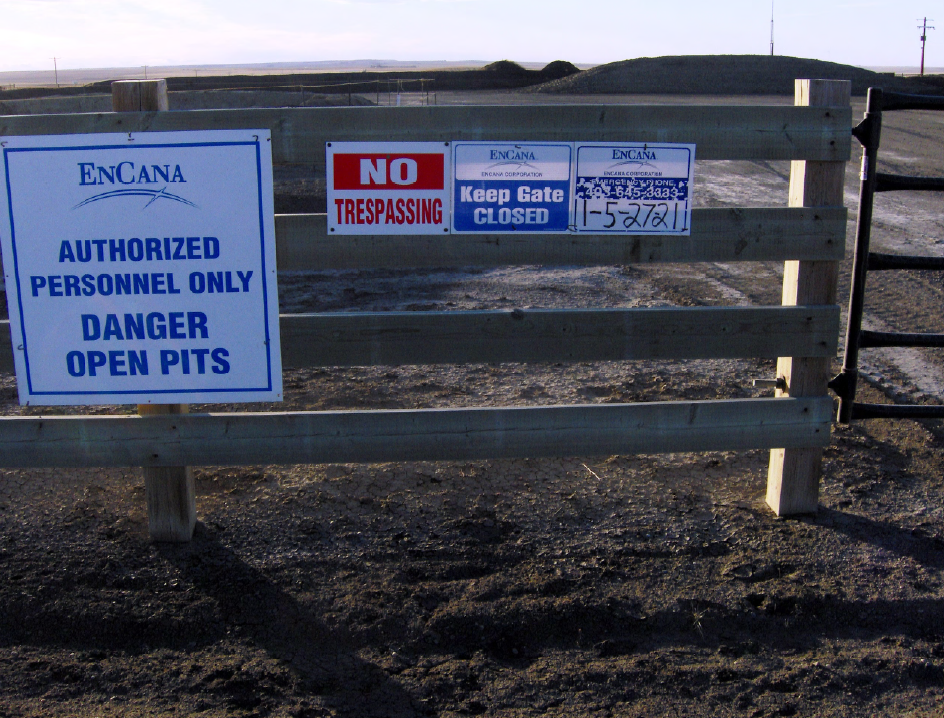
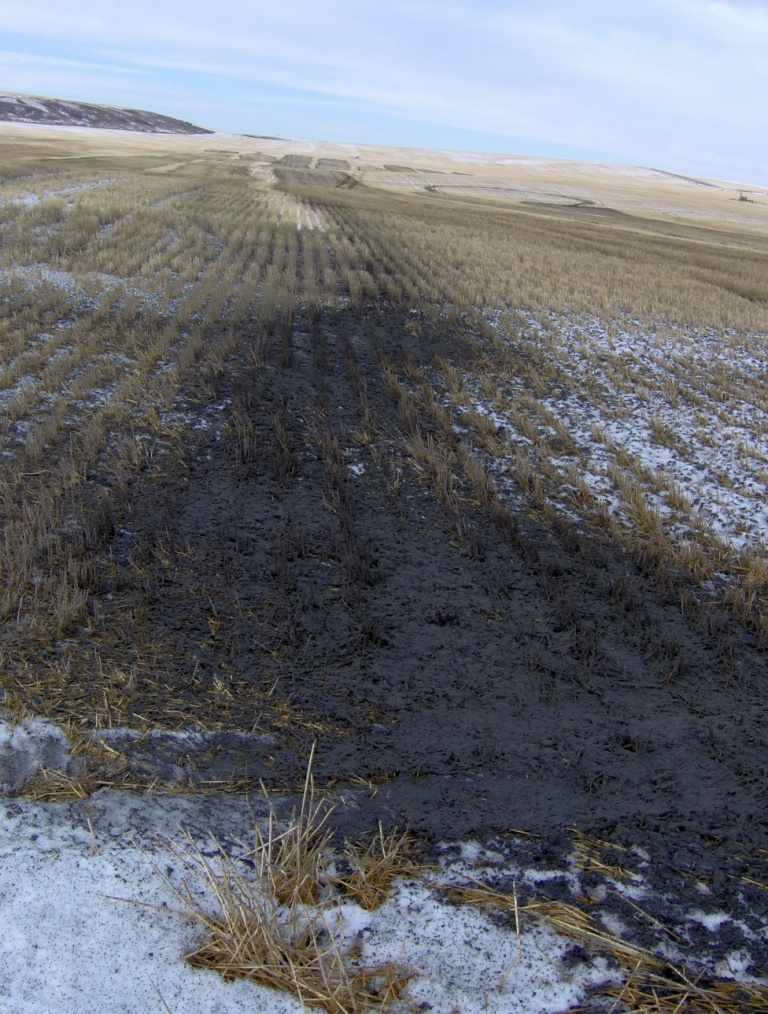
Parker said that, for example, as has been reported, ReconAfrica stored drilling wastewater, potentially polluted with toxic compounds, in unlined ponds.Encana did that around my community too, regulators did nothing. I walked around the pit leases, not a liner to be seen. Encana also dumped their waste illegally repeatedly, year after year, on farm land near and upwind of my home and the hamlet of Rosebud
As National Geographic reported, without a protective liner toxic water can seep into the soil and potentially into aquifers and into the Okavango Delta, the lifeblood of myriad animals and humans.
Recon said the ponds are lined with bentonite clay, which it claimed is effective and more expensive than conventional liners.
An environmental engineering professor told Rolling Stone that companies try to get away with using these sorts of pits because it is cheaper, but “clay won’t stop the leakage of many types of toxic compounds into underlying aquifers.”Encana didn’t even bother with clay anything, they just dumped.
The oilsands tailings ponds in Alberta are also unlined and for years have leaked chemicals into shallow and deep groundwater connected to the Athabasca River and all other rivers and lakes in the area.
ReconAfrica responded to the initial National Geographic article by calling it a false and defamatory “hit piece.” The company did not sue the magazine or Rolling Stone.
ReconAfrica recently announced it has raised $19 million to continue exploratory drilling in the Okavango region.
“The company,” Parker said, “has acted in such a way in Namibia that it should disqualify anyone associated with Recon from participating in anything that is even remotely connected to the public interest.”
‘Grasping at straws’
Mandy Olsgard is a former senior toxicologist with the Alberta Energy Regulator. She now works as an independent consultant, mostly for Indigenous nations near the oilsands but also for groups concerned about coal mining in the Rocky Mountains of southern Alberta.
This recent government tailings water report is not the first. Olsgard resigned from a provincial oilsands mine water science team in January 2023. She felt it was biased because the Alberta government had final say over how the study was designed and what information would be released.
Olsgard concedes the government did release detailed information. But Indigenous community concerns were not addressed in the more than 3,000-page report.
It is unclear to Olsgard why a second committee was needed after five years of previous work. She said it appears the government was intent on continuing to commission reports until it got the answer it wanted.
She also served on the federal Crown-Indigenous working group on mine wastewater, for which she also helped design the tailings water treatment technology study. On a scale of recommendations from one — most recommended — to 10, the working group placed injection of untreated wastewater at six.
“I believe that was a consensus-based, robust scientific process and I would put more weight on that study than any other study from the province or a private company,” she said.
Aqua hiring a lobbying firm with a partner who is the husband of the environment minister is “completely incestuous,” she said, despite the fact that Alberta Environment wasn’t listed as a lobbying target.
“He [Cole Schulz] could just speak to her at the dinner table, and that is a big concern for scientists who are spending their entire careers, like me, independently conducting studies to inform our positions.”
At the AER, Olsgard helped develop and publish the risk assessment process that describes how to evaluate and determine whether there are risks of contaminating groundwater or surface water from deep geological activities.
The process was designed for solvent injection to extract oilsands from deep reservoirs. But she said the methods could be applied to any activity, including deep disposal of oilsands mine water.
Olsgard said companies told the AER back then that these deep aquifers — geologically old, highly salty oceans — “are not connected to surface water and they stay really, really deep.
“But that was not the reality,” she said. There are fractures in the bedrock, and water moves through them and in some cases surfaces in the Athabasca River.And companies are frac’ing the caprock and frac quaking the subsurface to hell and back
“It is a perfect example of why you need to do detailed geotechnical studies and risk analyses to understand if these aquifers that they want to inject oilsands mine water into are actually segregated from any water bodies,” she said. “Or are there pathways in which mine water could escape to the surface?”
The most recent report from the government’s water steering committee claims the underground disposal of tailings is safe and wouldn’t contaminate drinking water sources because the wastewater would be trapped beneath many layers of impermeable rock.

“When I read those recommendations from this most recent steering committee, it doesn’t look to me like any studies have been done,” Olsgard said.
“The presentations are not online. There is not a single technical document. It seems like it is biased to a cheap solution to an expensive problem, and it is hypothetical.”
Right now, she said, the only real solution is to clean the tailings water with active water treatment, like the process used by municipalities, before it could be released from an oilsands lease.
“Because people drink the water, it is not just fish habitat,” Olsgard said.
“But the oilsands companies let the problem get so big that now they are just grasping at straws and trying to find the cheapest solution for industry.”What tarsands or oil and gas company cleans up? I know of none. Their rich owners refuse to spend the money, that’s why the lakes are so fucking massive, and getting bigger by the day – fucking greed of the rich.
Refer also to:
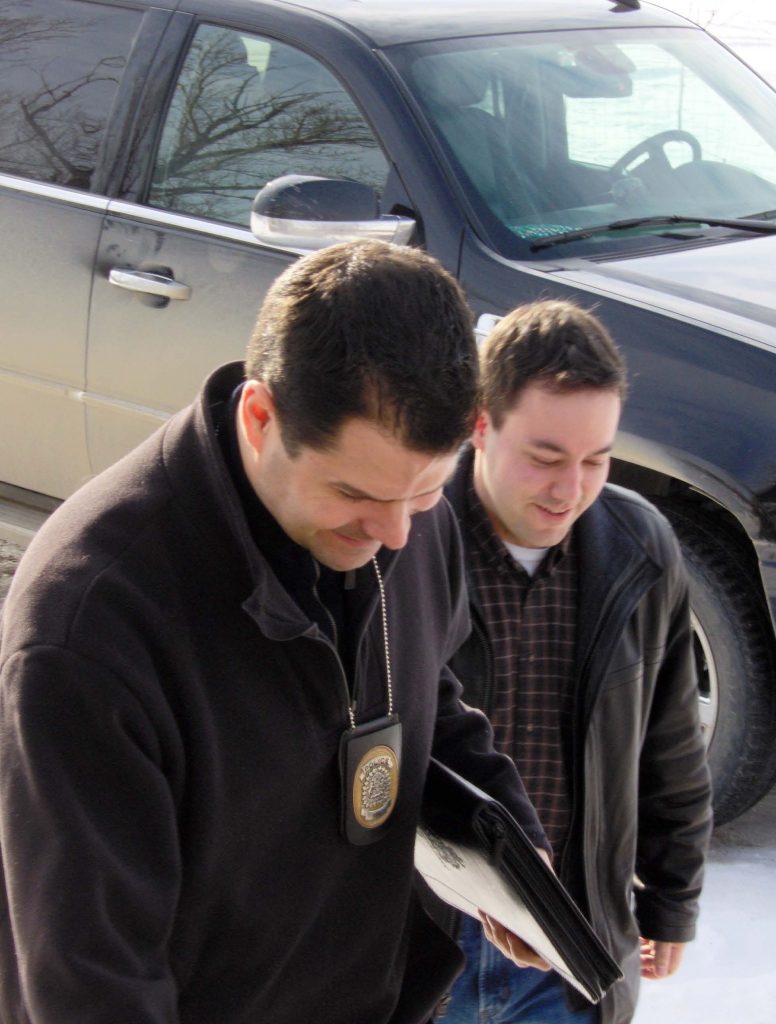
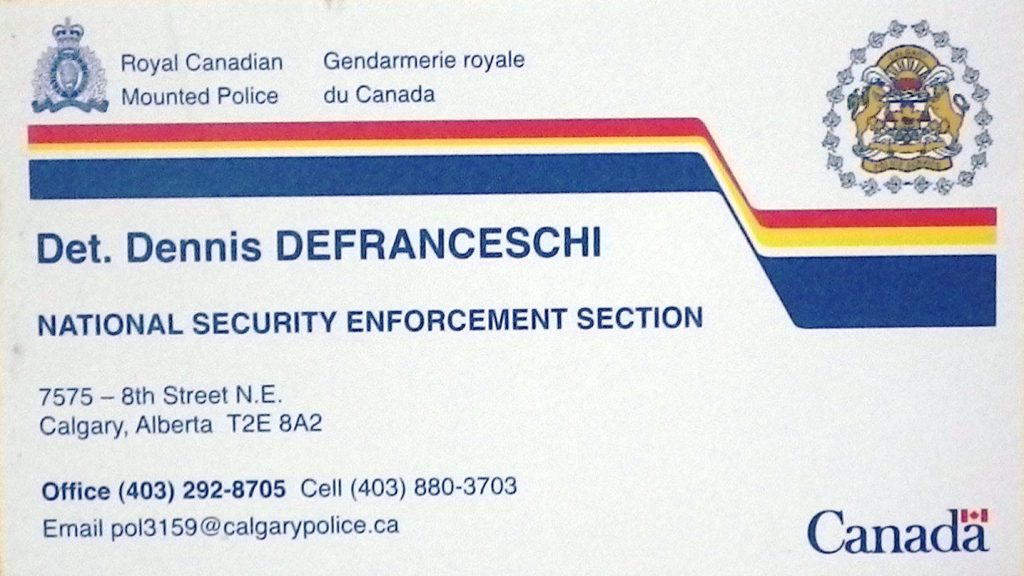
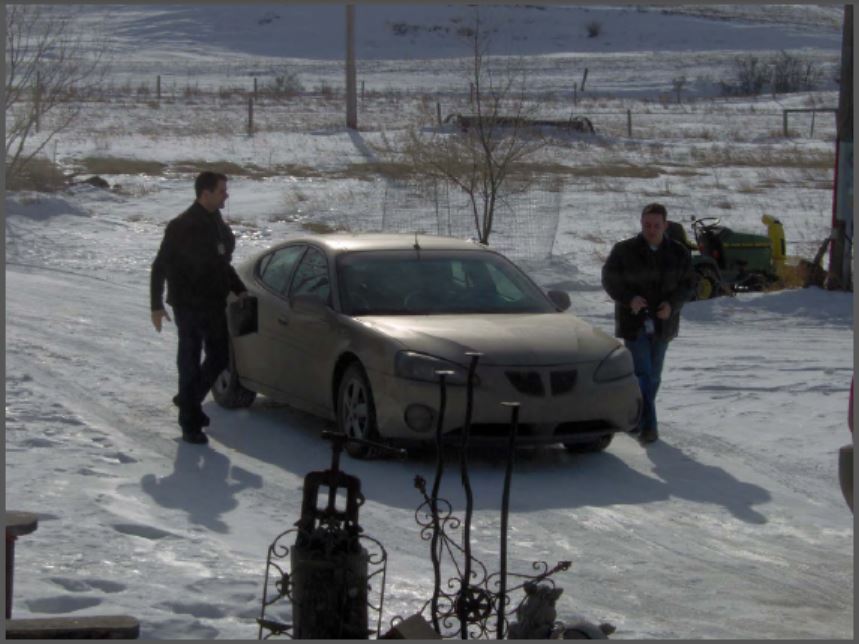
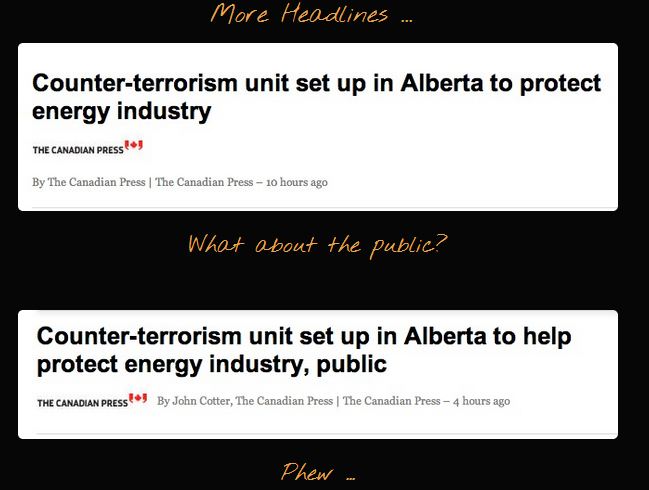
Instead of investigating Encana’s crimes at Rosebud, Herr Hideous Harper’s Anti-Terrorist squad invaded my private property and home – warrantless – trying to terrify me silent after national news reported on the contamination in my community’s water, and AER’s charter violating abuse of me, also trying to terrify me silent.
Instead of ordering Encana to repair the Rosebud aquifers the company illegally frac’d, AER let the company cover-up the well where those illegal fracs took place.
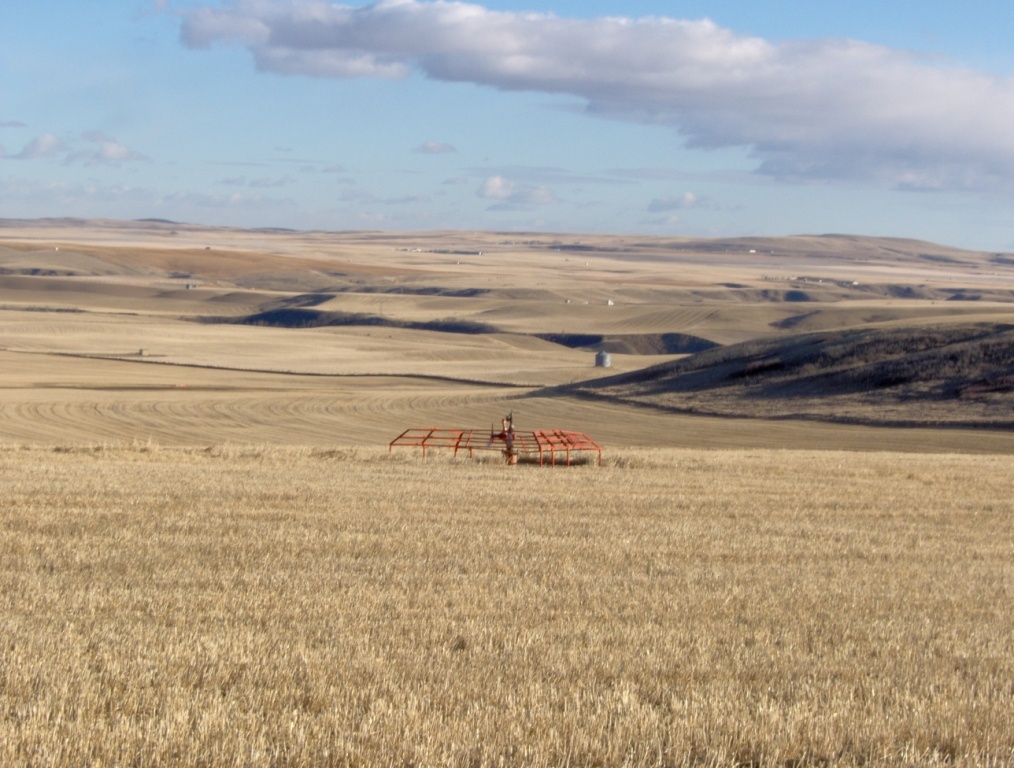
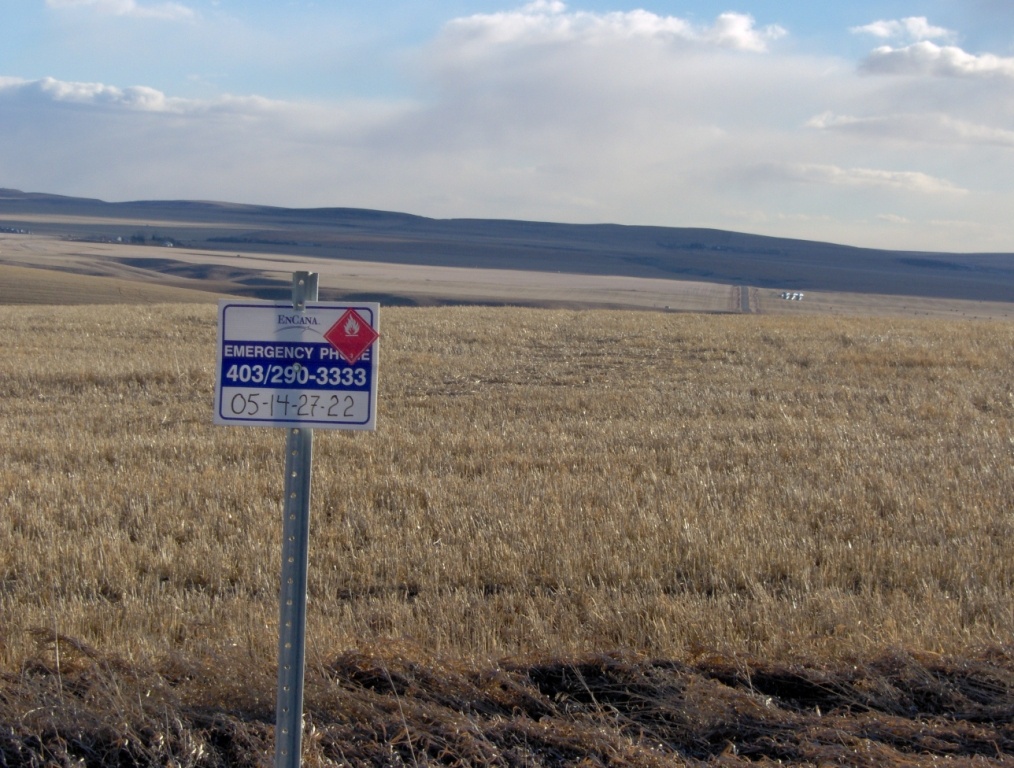
Encana’s illegal 5-14 all covered up! Crimes magically vanished, leaving only that sign, complete with flammable warning. That sign is gone too now. No trace but for photos and Encana’s data on file at the AER, which no investigator looked at because they claimed I broke into the regulator’s down town office, and altered all of Encana’s data!
If AER and UCP didn’t/don’t give a shit or take responsible action when a company intentionally contaminates a community’s drinking water supply other than to violate the rights of the harmed and try to silence us, it’s insane to think they give a shit about the toxic tarsands lakes. I believe the AER and NaZiP plan to and will just empty out the toxic shit into the Athabasca, after mulling over a few of their other stupid ideas. They rich do not want to spend the money to clean up, after raping out mega billions of dollars.