
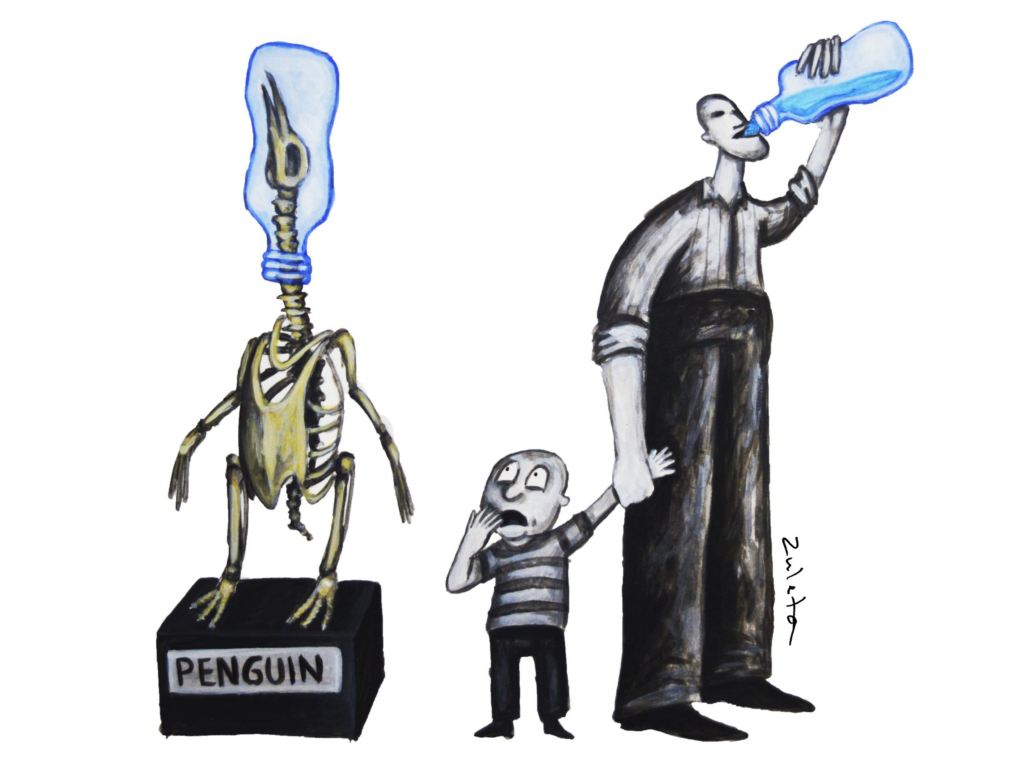
WV drinking water infrastructure failing as state woos water guzzling data centers by Mike Tony, WV Gazette-Mail, Dec 27, 2025
Jamie Jacobs and her husband split time between Morgantown and the Canaan Valley. They planned a move to the latter full-time. “[Then] this whole Fundamental Data thing came in,” Jacobs said. “So we’re kind of on hold with that.” Jacobs was talking about the plan by Purcellville, Virginia-based Fundamental Data LLC to build and operate a gas turbine-powered facility in Tucker County, just downwind from her, expected to be a large-scale data center operation with vast diesel tank storage and the source of a significant increase in air pollution.
Fundamental Data, which has not responded to requests for comment, has been quiet about its plans for the facility, for which the West Virginia Department of Environmental Protection  Destructionapproved an air quality permit in August, despite fervent community opposition.
The company has redacted air emissions-related information throughout its permit application, prompting community and environmental advocates to file an unresolved appeal of the permit approval. But the environmental health concerns that linger for Jacobs and other Tucker County residents aren’t just about air quality. They’re about water quantity and quality, too.
Large data centers can consume 3-5 million gallons of water per day — roughly 5%-8% of the total amount withdrawn for public water supply throughout West Virginia in 2023, according to DEP data. The amount of water that could be withdrawn for Fundamental Data’s facility operations has been undisclosed.
Amid a statewide emergency declaration due to drought conditions last summer, the city of Thomas’ town water supply was rendered unusable due to high levels of iron. The state Department of Transportation sent a tanker truck filled with non-potable water to Thomas for washing, flushing toilets and other non-drinking use. In September, the water utility for the nearby town of Davis, Davis Water Works, informed residents it found elevated levels of lead in drinking water and that lead service lines would be removed by the end of 2026.
“A lot of people have wells. And people are worried [thinking], ‘Is my well going to go dry?’” Jacobs said. “[T]here’s a lot of water concerns, and I think part of that is the quantity of water that we have available for the people here, but also the quality of those water supplies,” said Nikki
Refer also to:
… A proportion (25% to 100%) of the water used in hydraulic fracturing is not recovered, and consequently this water is lost permanently to re-use, which differs from some other water uses in which water can be recovered and processed for re-use. …