@nigelb.bsky.social:
The ICJ’s climate change Advisory Opinion emphasises the duty of states to cooperate [302] since the climate system is a resource shared by all states. Such a duty should also apply to the sub-units of a federation. Can we develop a doctrinal basis to support such an imp. obligation? #ableg #abpoli
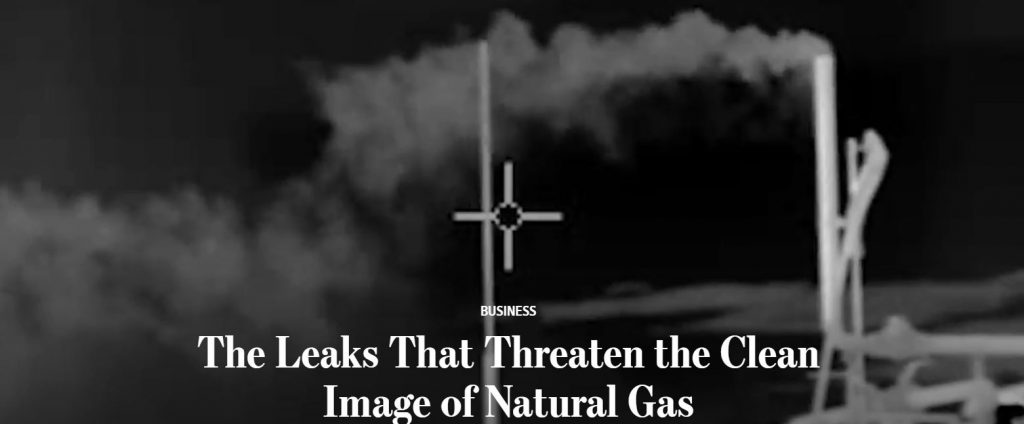
Two-thirds of U.S. GHG cuts since 2005 wiped out by higher methane — study, Higher methane emissions from gas infrastructure have negated much of U.S. climate progress in the past two decades. “Gas is a lot worse than I think is widely understood,” the author of a new study says by Nicholas Cunningham, July 25, 2025, Gas Outlook
Roughly two-thirds of the supposed cuts in U.S. greenhouse gas emissions over the past two decades have been wiped out by higher methane emissions from the natural gas industry, according to a new study.
The U.S. has boasted a 17 percent reduction in greenhouse gas emissions since 2005, largely owing to a gas-to-coal switch in the electric power sector. Gas emits about half the emissions of coal when burned. Not according to Howarth and Ingraffea
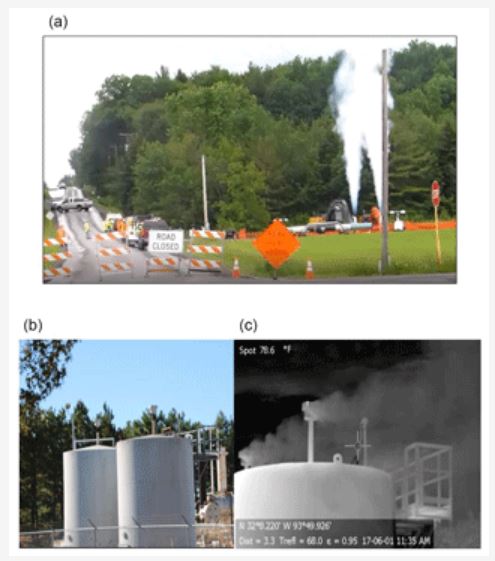
But the gas industry also emits enormous volumes of methane, a powerful greenhouse gas. Methane is lost or intentionally emitted from equipment up and down the supply chain — emitted from production sites, flares, storage tanks, compressor stations, and pipelines.and how much is leaked via soils to surface by the millions upon millions of brute force ignorant frac’s making methane let go from formation that is not captured by any pipes or casings, and how much is released via the endless unmitigated frac quakes damaging the subsurface, surface, casings, pipelines, facilities, homes, etc? And how much is leaking to surface via the thousands of frac-contaminated water wells and surface water bodies?
After taking into account the industry’s methane emissions — which research indicates are vastly higher than the U.S. government says — the 17 percent reduction in total greenhouse gas emissions since 2005 may actually only be around 5 percent, according to a recent study released in the journal Energy Policy.
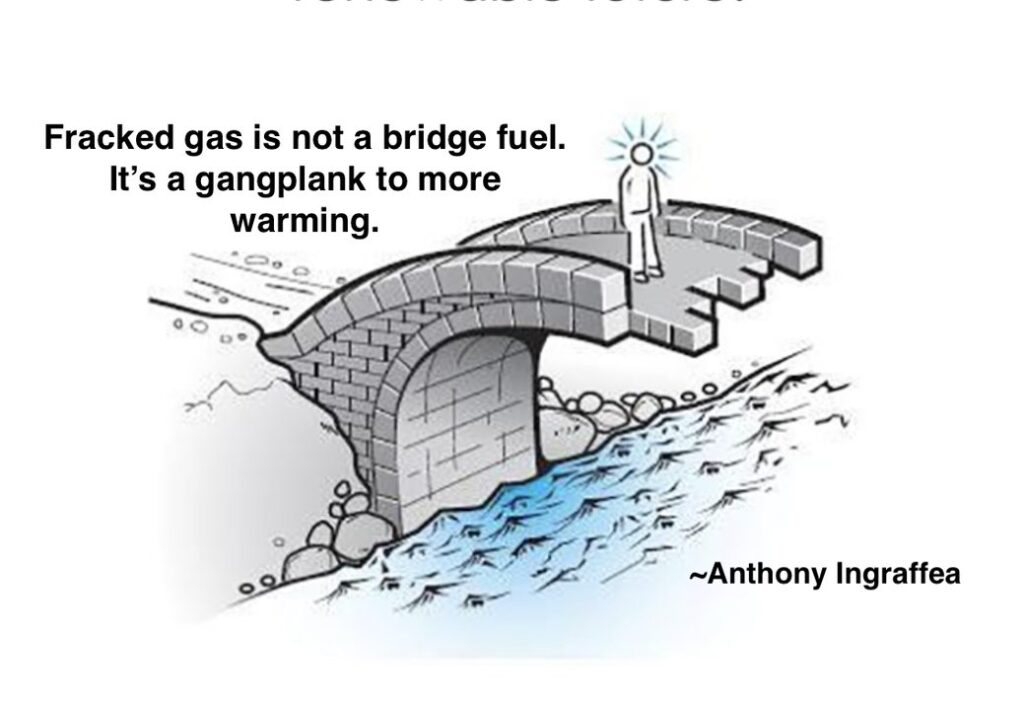
“As a ‘bridge fuel’, gas is a lot worse than I think is widely understood,” Kevin Kircher, a professor at the School of Mechanical Engineering at Purdue University, and the author of the new study, told Gas Outlook.
For years, the U.S. EPA assumed that the gas industry emitted methane at low levels, releasing around 1.4 percent of total gas production into the atmosphere.

Top international oil companies claim their methane emission are even as low as 0.2 percent of production.Who the hell believes what regulators or polluters say? Not me. I’ve been posting about the EPA’s and industry’s super under reporting on methane and other pollutants for years.
But that EPA figure is based on assumed methane leakage rates from individual pieces of equipment, not real-world measurements. The agency has assigned leakage rates to particular valves or pieces of pipe, multiplies those rates by levels of activity and production, and then adds it all up to arrive at an overall leakage rate of around 1.4 percent.
In other words, EPA is not showing up at gas production sites and measuring methane.Neither is industry!Instead, it is estimating methane emissions using mathematic equations and self-reported industry data.
However, a growing body of independent scientific research, which dates back years, has demonstrated that EPA’s approach has consistently underestimated actual methane emissions.
Aerial flyovers have detected much higher levels of methane, particularly in the Permian basin. Satellite technology routinely picks up plumes of methane.
And on-the-ground researchers using optical gas imaging cameras consistently document methane emissions, much of which never shows up in the data at all but is nevertheless occurring all the time.
“It’s a least a decade since we’ve known that this is a much bigger problem than EPA lets on,” Kircher said.
A 2024 study that included a million measurements and regional emissions inventories pegged U.S. methane emissions from gas infrastructure at 2.95 percent. A 2022 study that included downstream emissions estimated that roughly 4.8 percent of U.S. gas production is lost, emitted as methane into the atmosphere.
At those levels — several times higher than industry and government estimates — gas is not a climate solution at all, and potentially worse than coal.We’ve known that for 14 years already! Ignorance, denial and lies make for great ways to keep polluting and making billions more in profits for a few rich fuckers
“Kirchner’s new paper confirms what I and several others have been saying for years: the US EPA has systematically underestimated methane emissions from oil & gas operations, relying on unverified self-reporting from industry instead of a large and growing body of peer-reviewed independent science,” Robert Howarth, a biogeochemist at Cornell University, told Gas Outlook in an email. Howarth was not involved in the latest study but has spent years researching methane emission from the oil and gas industry.
He says that twenty years of climate progress supposedly gained by switching from coal to gas has been illusory.
“When we use the best available data for methane, and look at all emissions and not just CO2, there has been little or no reduction in total greenhouse gas emissions from the US over the past few decades,” Howarth said.
“We have simply substituted in natural gas for coal, reducing CO2 emissions somewhat but hugely increasing methane emissions.”
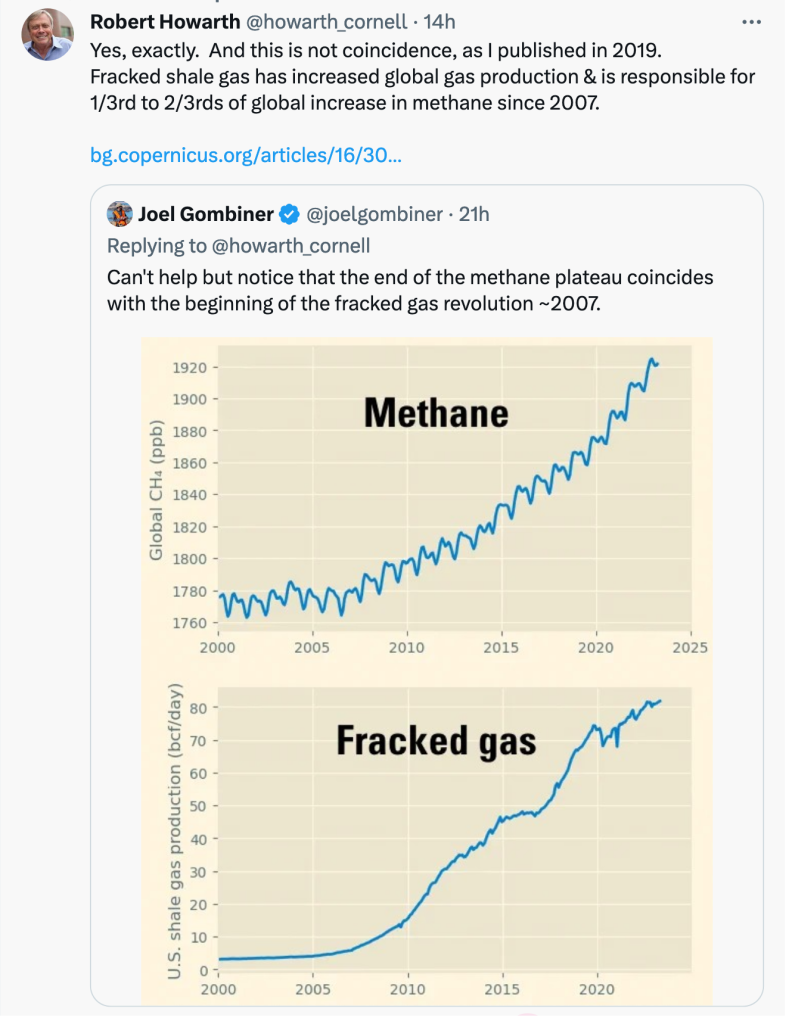
Atmospheric methane concentrations continue to rise, hitting 1934.49 parts per billion in March 2025, up from 1927.58 ppb a year earlier. A casual glance at a chart depicting methane concentrations reveals an acceleration from around 2010, right around the time the fracking boom took off.
“The more natural gas infrastructure we build, the more sunk cost that we have in this legacy infrastructure that we now know is potentially leaky, potentially harming the climate almost as much as the dirtier stuff that it replaced,” Kircher said.but those deadly leaks are making a few rich rapists one hell of a lot of money
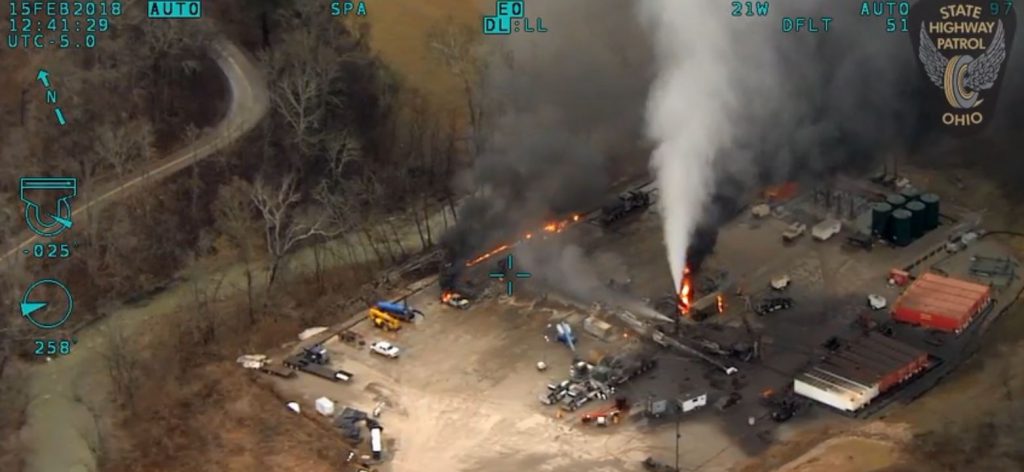
2018-02-15: ExxonMobiles XTO Energy gas blow out, Ohio USA record methane leak
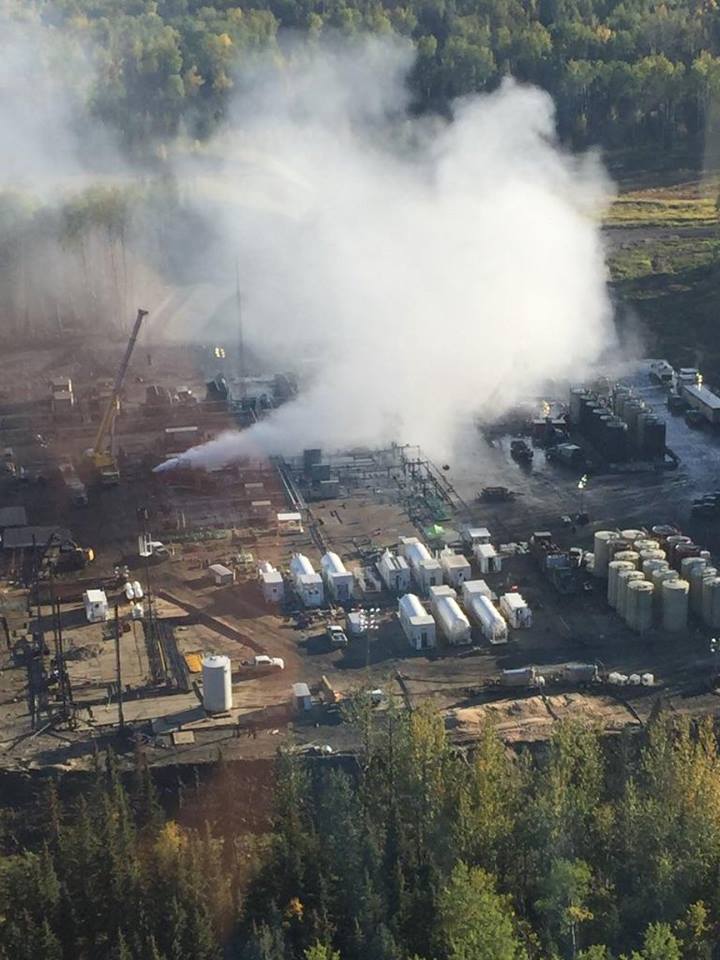
Encana/Ovintiv’s massive deadly sour methane leak at Frac’d to Hell Fox Creek, Alberta
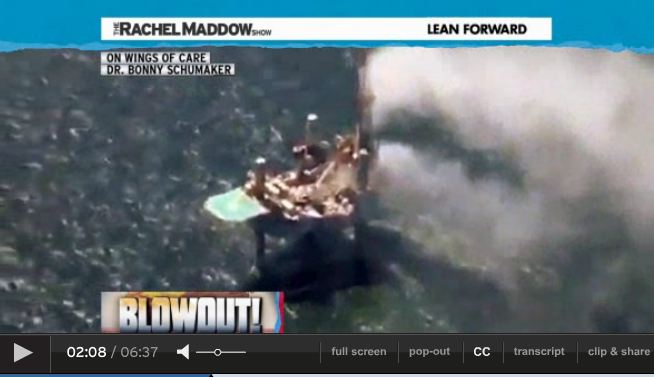
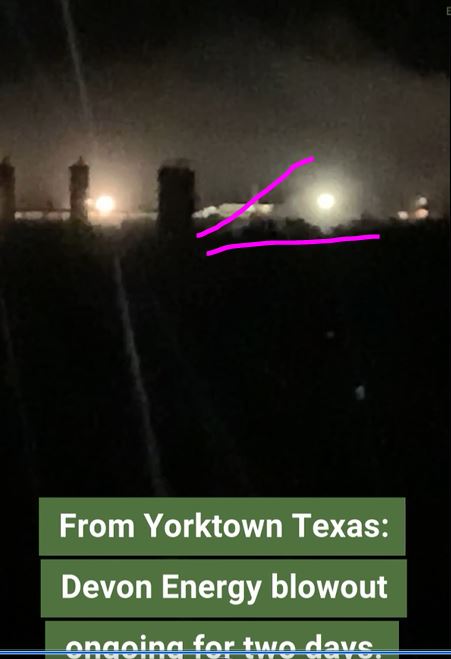
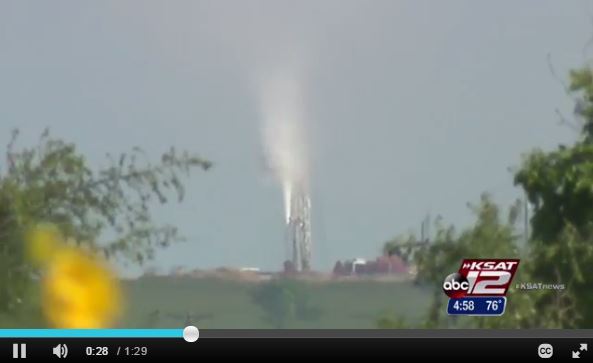
Another Encana methane blow out, in USA
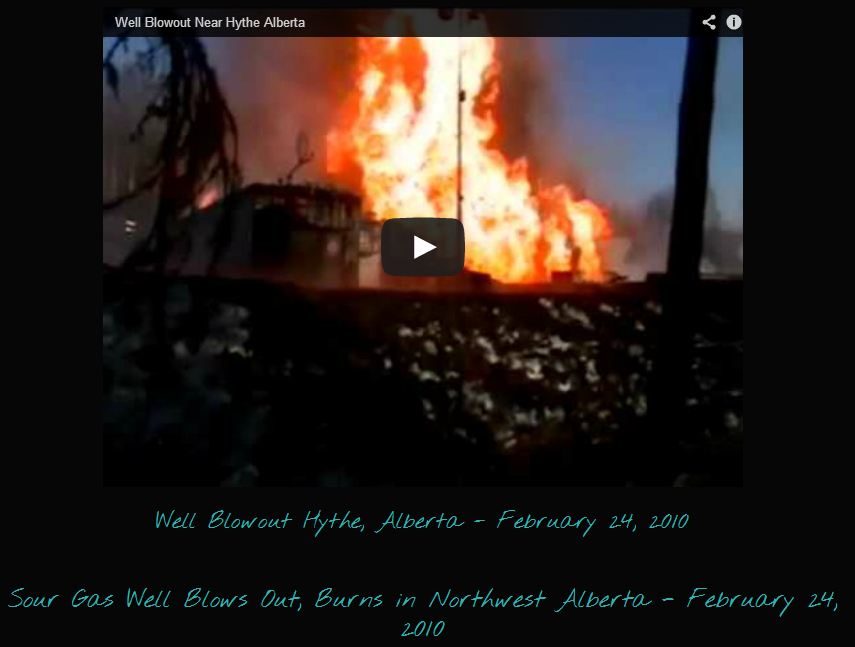
Another Encana methane blow out, sour
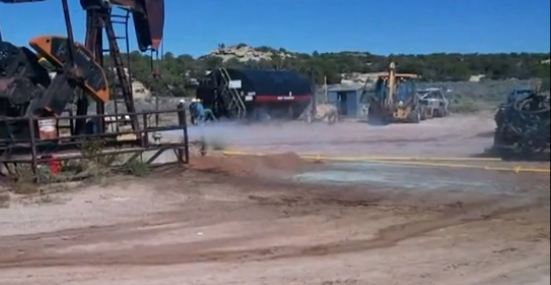
Frac’ing by Encana in the US causes Parko well to blow out methane, Encana refused to repair or pay damages
Nevertheless, the U.S. LNG industry continues to expand, funnelling billions of dollars into new infrastructure that have operational lifespans that are expected to stretch into the second half of the century. I do not think human life will be on earth much longer than 10 or 20 years max. Never mind global warming destroying earth’s livability, we’re poisoning ourselves, all life on earth and all things needed to sustain life. A growing portion of U.S. gas is exported to Asia and Europe in the form of LNG.
“One conclusion that comes out of this work is that there is a real need to get to the end goal. To get over the bridge and get to clean power energy generation in the U.S,” Kircher said.
He added that the recent policy changes in the U.S. will only make things worse.
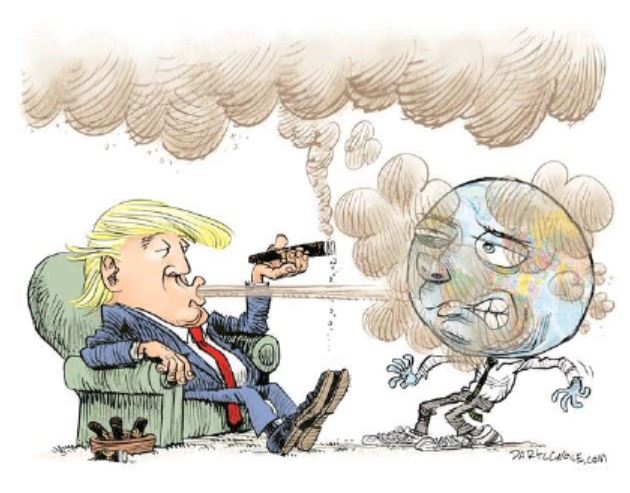
“It was an uphill battle, but there was a plausible path towards cleaning up U.S. natural gas infrastructure under Biden. Really until about three weeks ago when the One Big Beautiful Bill was passed,” he said, referring to the sweeping tax package signed into law in early July. The legislation suspends the methane tax for a decade, and rescinds around $1.5 billion in funding targeting methane mitigation at oil and gas infrastructure. The Trump administration is also gutting the EPA and rescinded key regulations on the industry.
“So, there’s essentially no industry signal right now that says it’s a federal priority to reduce methane emissions from U.S. gas.”
@ssteingraber1.bsky.social:
So here’s the Interior Secretary floating a rumor that NY’s governor may cave to Trump—Columbia Univ style—on 3 fracked gas pipelines that New Yorkers already overwhelmingly opposed and killed off.
(And also lying about what more fracked gas would do to utility prices)
“Refer also to” would take me hours. I don’t want to waste my time, especially as most humans don’t give a fuck, more interested in chasing their next fun, rape and or orgasm.
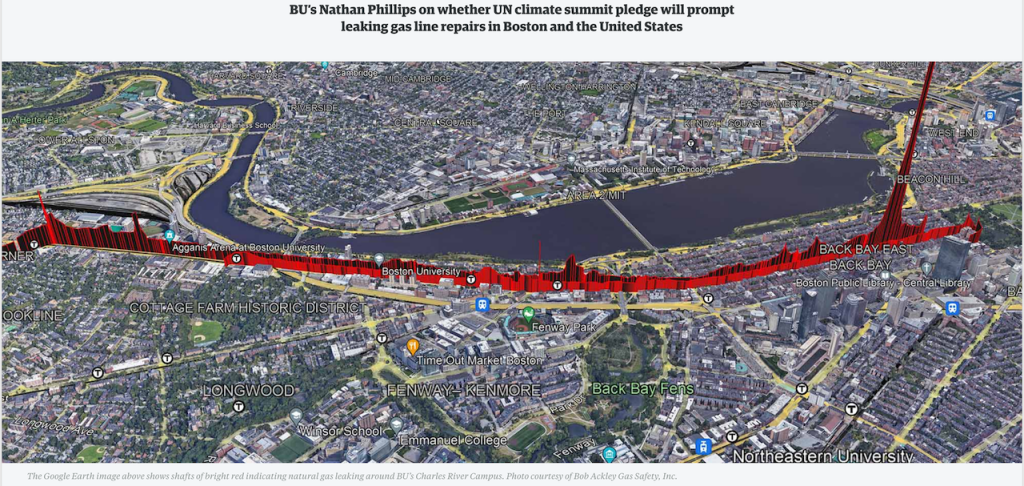
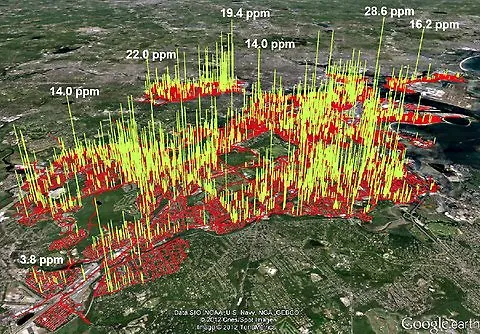
Methane leaks, Boston area