@ClimateBen:
GLOBAL WARMING is accelerating to 2.5-3°C by the 2030s/40s. We’re all in immense danger.
Scientists project global warming of 1.51 to 1.83°C for the years 2024-29 implying tropical forests and tropical corals are now in a fatal collapse phase. Media? Silent.
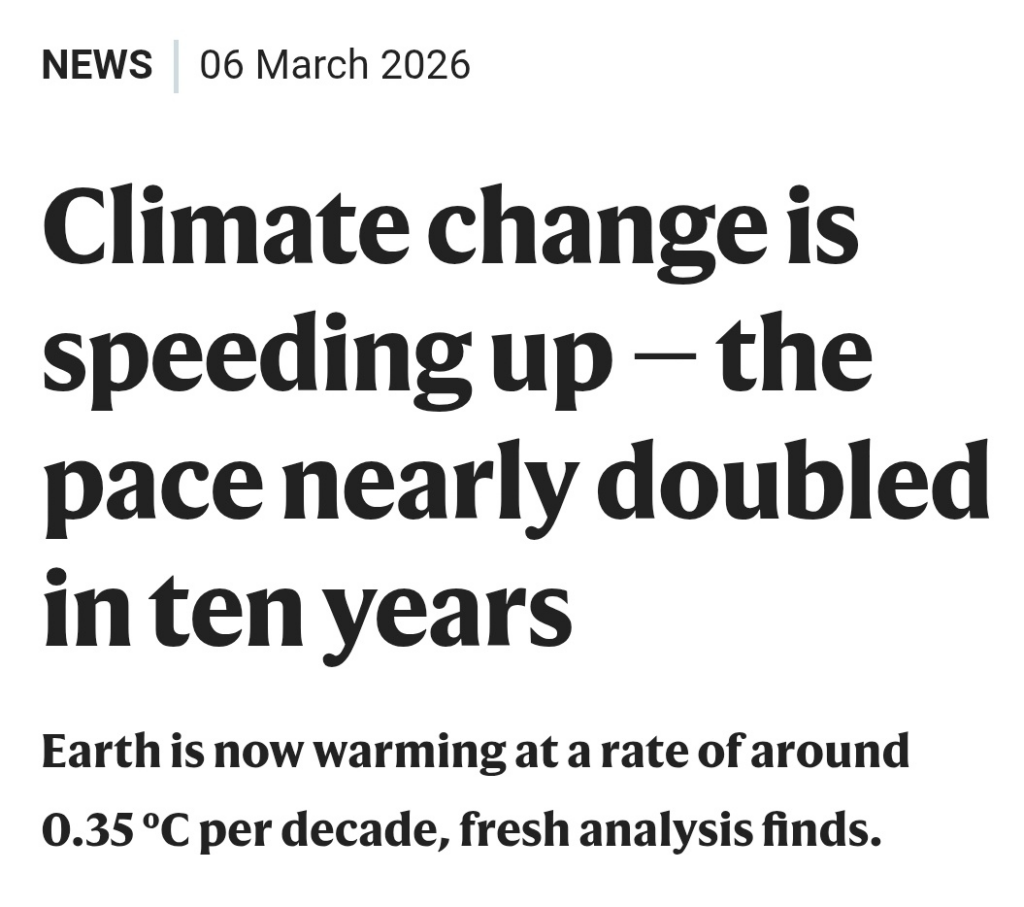
BREAKING: US scientists fear full-on summer heatwave in March is sign capitalist era emissions from industrial animal agriculture and fossil fuels have “broken” Earth’s climate
@Lacertko:
Instead to address climate crisis, we are waging wars.
@ryankatzrosene:
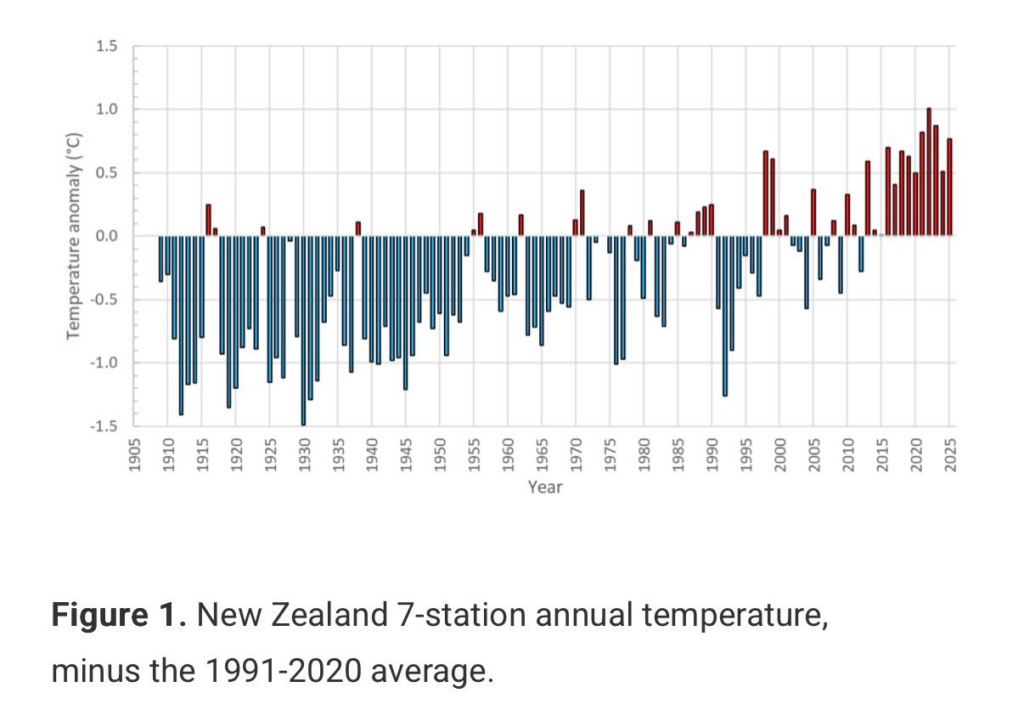
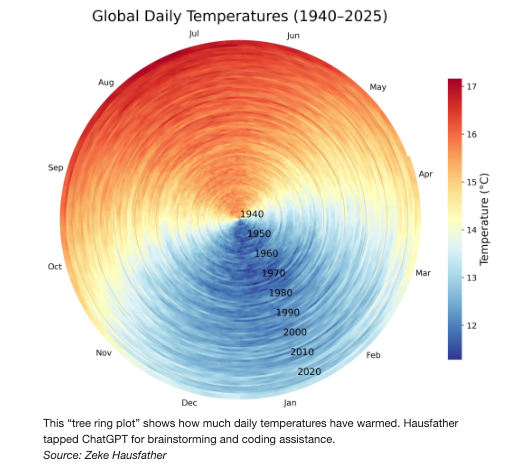
Every month is getting warmer. Every day of the year is getting warmer too (on average).
@ryankatzrosene:
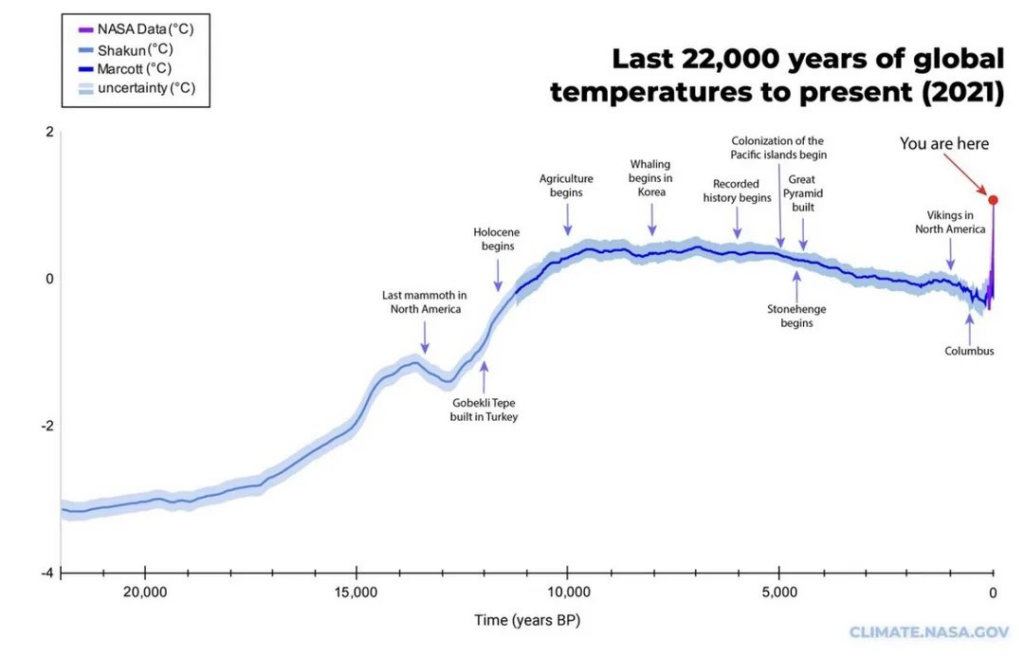
“Aren’t we coming out of a little ice age now?”
No. Based on natural factors Earth would be cooling right now. But we’ve burned a fuckton of fossil fuels, so Earth is warming rapidly.
@pmagn:
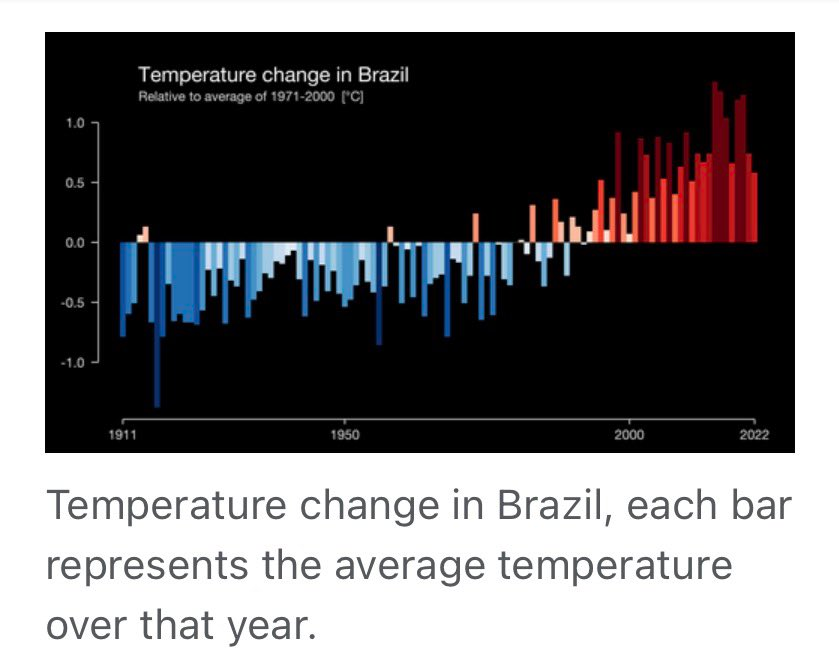
This is something that isn’t appreciated. The death by a thousand cuts.. each cut is getting deeper longer and more vigorous
Hope experienced strong wind gusts of up to 139 km/h Wednesday night into early Thursday morning.
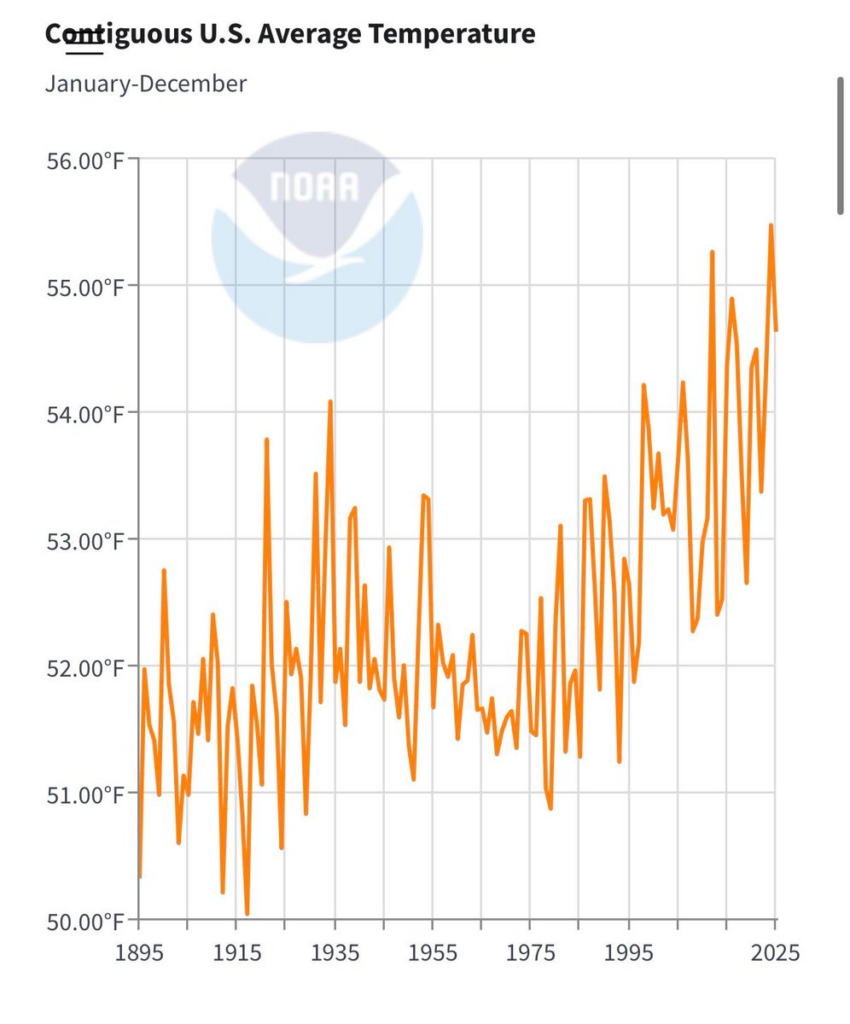
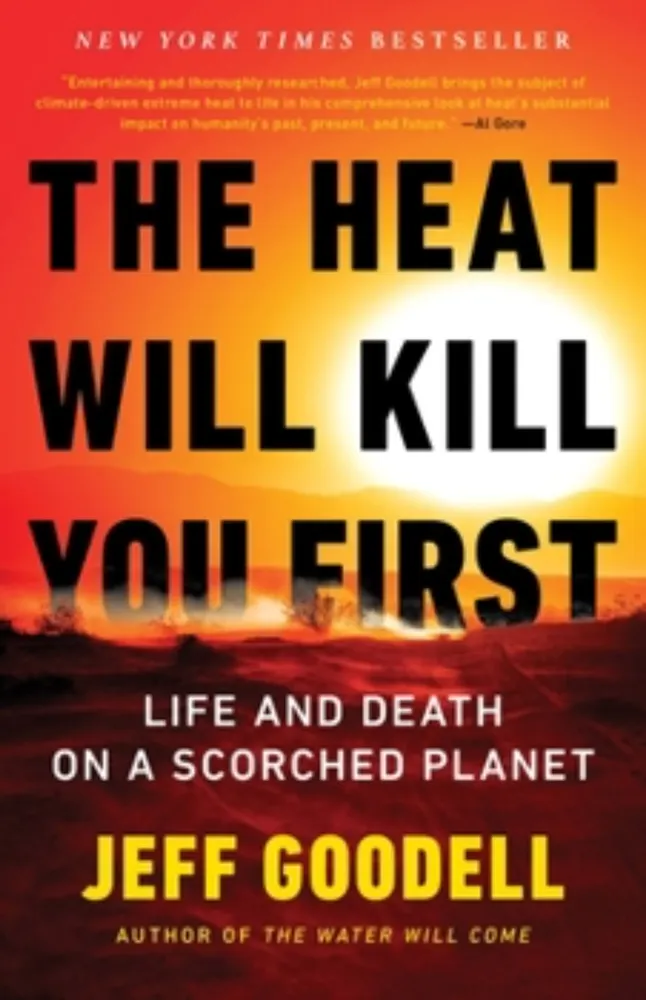
“But extreme heat is a force beyond anything we have reckoned with before. It may be a human creation, but it is godlike in its power and prophecy.”
www.thriftbooks.com/w/the-heat-w…
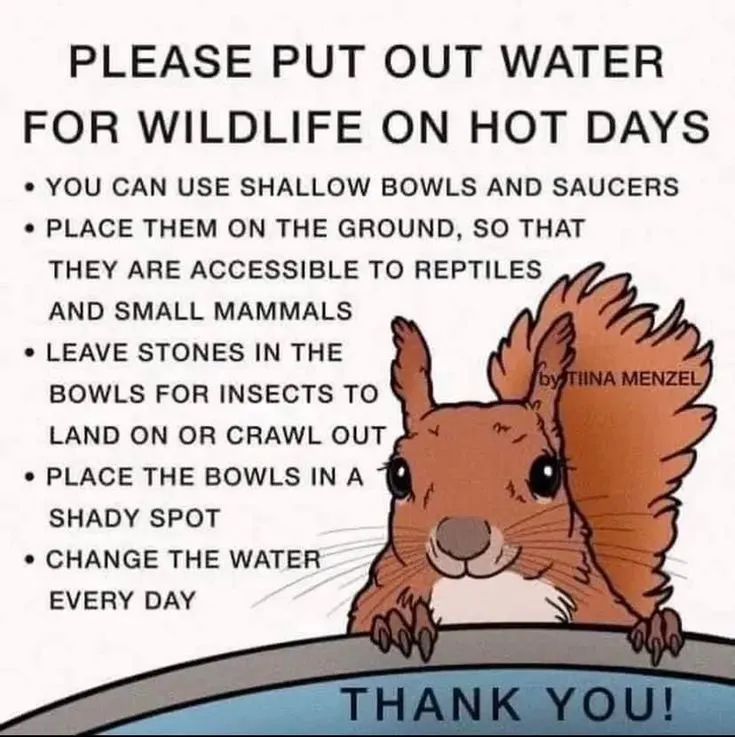
 I check and replace the water I put outside for birds and wildlife during extreme drought and heat/wildfire smoke, at least 3 times a day, and wash/sterilize the container each time. H5N1 Bird Flu is killing many birds, also foxes, other species. It constantly astounds me how quickly water I put out vanishes when it’s extremely hot and windy.
Extreme heat wave shows which species can survive rising temperatures by Eric Ralls, March 14, 2026, Earth.com
When temperatures rise slowly, ecosystems may have time to adjust. But when extreme heat arrives suddenly, the consequences can be immediate and severe.
A record-breaking heat wave in western Canada pushed temperatures to levels many species could not survive.
Scientists studying the event are now uncovering how that short burst of heat triggered widespread ecological disruption and why similar events may become a growing challenge as the climate continues to warm.
Damage visible across ecosystems
Across western North America during the 2021 heat dome, evidence of the finding appeared in dead shells along coastlines, scorched fruit in orchards, and fallen nestlings beneath overheated trees.
Dr. Julia Baum of the University of Victoria (UVic) documented those scattered losses as parts of a single ecological event, showing that one short burst of heat drove the pattern across many species.
Records gathered during and after the heat wave revealed that animals and plants exposed to direct heat suffered the steepest declines, while species able to move, hide, or tolerate higher temperatures often persisted.
Those uneven outcomes revealed a hidden divide between species that could escape dangerous heat and those trapped where the temperature spiked.
Survival depended on shelter
Even during the same afternoon, heat exposure swung wildly from shaded forest pockets to bare rock in full sun.
Local microclimates, the small weather conditions created by shade, wind, slope, and moisture, changed what individual animals and plants actually faced.
Species that could reach cooler cover, or already tolerated higher heat, often escaped the worst damage that pinned others down.
“Basically, any animal that couldn’t escape the heat was hard hit by it,” said Dr. Baum.
Exposed shores turned deadly
Exposed shorelines became lethal at low tide, when animals sat in direct sun with nowhere cooler to go.
Many of those species were sessile, meaning fixed in place and unable to flee, so body temperatures climbed past survival limits.
Bay mussels suffered 92 percent mortality, more than half of thatched barnacles died, and seaweed losses opened space for sea lettuce.
Because those shoreline species also build habitat and feed other animals, the damage likely reached beyond the deaths counted immediately.
Heat struck vulnerable life stages
Being able to move did not always protect animals when the heat wave struck. Some were caught during vulnerable life stages – inside nests, fruit, or shrinking habitat patches – when the hottest hours arrived.
The impact could be dramatic. Blueberry aphids dropped from being present on about half of the plants before the heat wave to fewer than 1 in 100 afterward.
Larger animals were affected too. Counts of surf scoter sea ducks fell by 56 percent, caribou detections dropped by half, and many young birds died in heat-trapping nests before they were old enough to fly.
These cases showed that survival was not only about mobility.
Timing mattered just as much, and many animals were simply trapped at the worst possible moment.
Plants reacted very differently
Plants also responded in very different ways once extreme heat hit their leaves, roots, and the dry air around them.
Across the region, scientists tracked gross primary productivity – the total amount of carbon plants pull from the air through photosynthesis. Instead of falling everywhere, productivity rose in cooler, wetter areas but dropped sharply in hot, dry ones.
In the cooler parts of British Columbia, vegetation absorbed about 30 percent more carbon than usual. In contrast, warmer and more arid regions absorbed roughly 75 percent less.
That contrast challenged the idea that heat waves damage all vegetation equally. Instead, the results pointed directly to water availability as the key factor shaping how plants respond.
Snowmelt surged too early
Mountain water systems also shifted as the heat wave rapidly melted snow and ice stored in high-elevation basins.
Streams in the mountains surged earlier than normal because that stored water rushed downhill instead of lingering into late summer. During the heat wave, streamflow jumped about 40 percent. But the early surge came with a trade-off.
By August, many alpine streams carried less water than usual because much of their seasonal reserve had already melted away.
That early runoff can warm streams later in the season, putting pressure on salmon, aquatic insects, and meadow plants that depend on cold mountain water.
Impacts lasted beyond the heat
Forest fuels dried quickly, and fires followed almost as soon as the heat settled in. Hot air and drought pulled moisture from fine vegetation, leaving forests easier to ignite and harder to control.
Wildfire activity rose 37 percent during the heat wave and then surged 395 percent the following week.
Once those fires stripped vegetation from slopes and soils, later floods and debris flows became more likely across burned landscapes. Even where flames never arrived, the ecological damage often continued after temperatures dropped.
When habitat-forming seaweeds, mussels, or plants disappeared, they took food, shelter, and breeding space with them.
Sea lettuce expanded by 65 percent after neighboring algae died, showing how one species can rapidly capitalize on another’s collapse.
Those replacements may look like quick recovery, yet they can leave food webs and coastlines functioning very differently long after the heat wave has passed.
Preparing for the next heat wave
Researchers captured much of this event through studies that were already underway, because almost nobody knew the extreme heat was coming.
“With little forewarning, we relied on whatever studies were already under way or observations made during the event,” said Baum.
That scramble left major blind spots, especially for freshwater life, long-term ecosystem recovery, and observations gathered with Indigenous partners.
A coordinated monitoring network across Canada could help close those gaps by providing stronger baseline data, faster alerts, and clearer research targets when the next heat wave strikes.
The event also revealed that extreme heat does not affect every species equally. While many exposed organisms died, others survived by finding shade, emerging at the right time, or possessing physiology that helped them tolerate higher temperatures.
As heat waves become more frequent, protecting ecosystems may depend on identifying where refuges remain, where water disappears, and which species cannot move fast enough to escape the heat.
The study is published in the journal Nature Ecology & Evolution.
Refer also to:

@enjohnston.bsky.social:
So worried about this summer—it seems we’re apt to be literally as well as metaphorically on fire…and the same people are largely to blame, turning fossil carbon into money and then into truly ugly political power.I think all humans are to blame to varying degrees, mainly via religion, greed, ego and misogyny directing humans to make billions too many humans. I know many families that only could afford one or two kids, but wanted a boy because only boys have value. They kept having girls, and tried again and again and again, always having girls, resulting in monstrous sized families with their kids doing the same next gen, and next gen, etc. Life on Earth cannot cope with our endless evil ways, the toxic chemicals everyfuckingwhere that companies and their owned politicians allow to win over life, our climate pollution that keeps sky rocketing even though we know better and ought to quit having kids; religion driven wars and misogyny the nastiest of our evils.