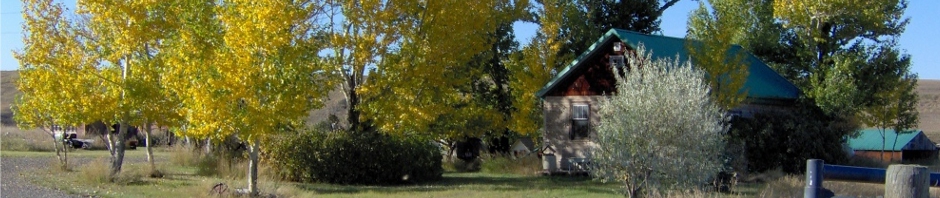

Trembling aspen are my favourite tree. In my kitchen window view, I love to watch their leaves dance even on the stillest day as I cook and do the dishes (I don’t believe in dish washers), bitter sweet as I watch them die.
This one below, my favourite, died. It was still so young.
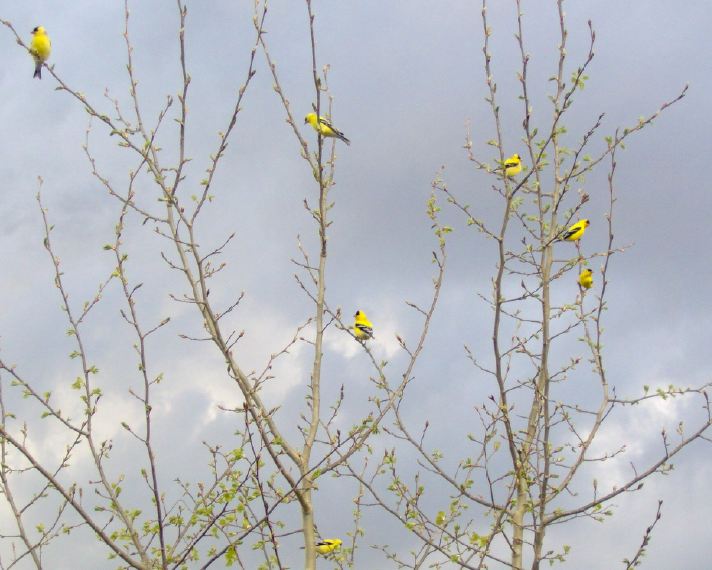
Out in the world, I only feel safe in aspen stands (when there are no humans about); I get lost in time when I walk in them.
It’s agonizing to watch aspen die in my community, on my land and across the Canadian prairies because of human stupidity, selfishness and greed caused global warming and unrelenting drought, and acid rain from Alberta’s idiotic tarsands.
“I will wait here in the fields to see how well the rain brings on the grass.
In the labor of the fields longer than a man’s life I am at home. Don’t come with me. You stay home too.
I will be standing in the woods where the old trees move only with the wind and then with gravity.
In the stillness of the tress I am at home. Don’t come with me.
You stay at home too.”
-Wendell Berry
Return of wolves to Yellowstone has led to a surge in aspen trees unseen for 80 years by Chris Simms, July 22, 2025, Live Science
Gray wolves were reintroduced in Yellowstone National Park in 1995 to help control the numbers of elk that were eating young trees, and it is finally paying off for quaking aspen.
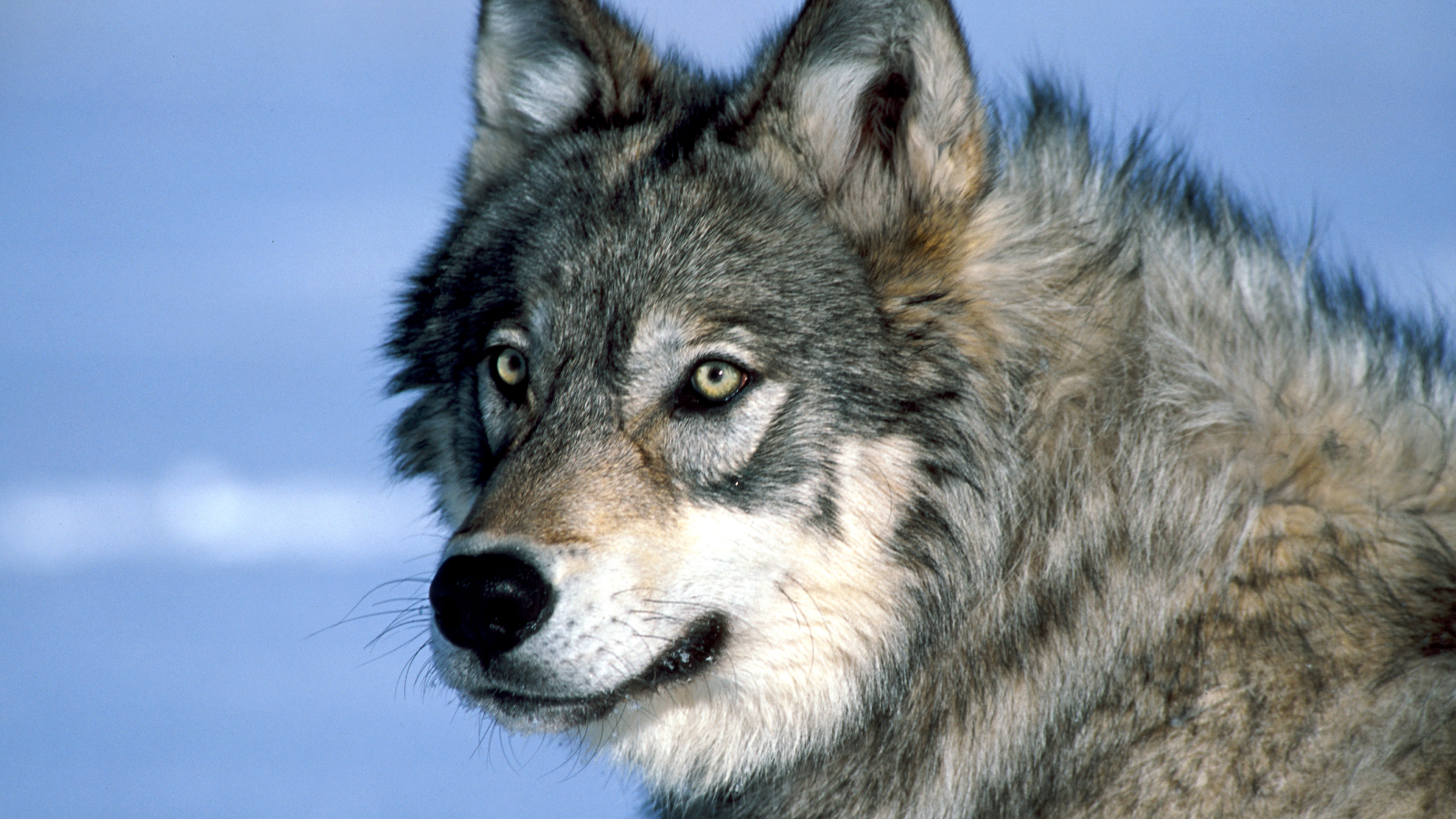
Wolves were reintroduced to Yellowstone in 1995, over 60 years after their eradication from the national park. (Image credit: Photo by William Campbell/Sygma via Getty Images)
Yellowstone’s wolves are helping a new generation of young aspen trees to grow tall and join the forest canopy — the first new generation of such trees in Yellowstone’s northern range in 80 years.
Gray wolves (Canis lupus) had disappeared from Yellowstone National Park by 1930 following extensive habitat loss, human hunting and government eradication programs. Without these top predators, populations of elk (Cervus canadensis) grew unfettered. At their peak population, an estimated 18,000 elk ranged across the park, chomping on grasses and shrubs as well as the leaves, twigs and bark of trees like quaking aspen (Populus tremuloides). This stopped saplings from establishing themselves, and surveys in the 1990s found no aspen saplings.
“You had older trees, and then nothing underneath,” Luke Painter, an ecologist at Oregon State University and lead author of the new study, told Live Science.
But when wolves were reintroduced in 1995, the picture began to change. As wolf numbers rose, the elk population in the park dropped sharply, and it is now down to about 2,000.
In the new study, published Tuesday (July 22) in the journal Forest Ecology and Management, Painter and his colleagues surveyed aspen stands — specific areas of the forest where these trees grow.
Related: Reintroducing wolves to Yellowstone helped entire ecosystem thrive, 20-year study finds
The team returned to three areas surveyed in 2012 to examine changes to aspen sapling numbers. Of the 87 aspen stands studied, a third had a large number of tall aspen saplings throughout, indicating the trees are healthy and growing. Another third of the stands had patches of tall saplings.
“We’re seeing significant new growth of young aspen and this is the first time that we’ve found it in our plots,” Painter said. These are young aspen with a trunk greater than 2 inches (5 centimetres) in diameter at chest height — which haven’t been seen there since the 1940s, he added.
“It doesn’t mean that they’re not going to get killed or die from something, but it’s a pretty good indication that we’re getting some new trees,” Painter noted. “As they get bigger, they get more resilient.”
Such trees are old enough to spread themselves, either by sending up new shoots from their roots a fair distance from the main tree, or via seed production, he said.
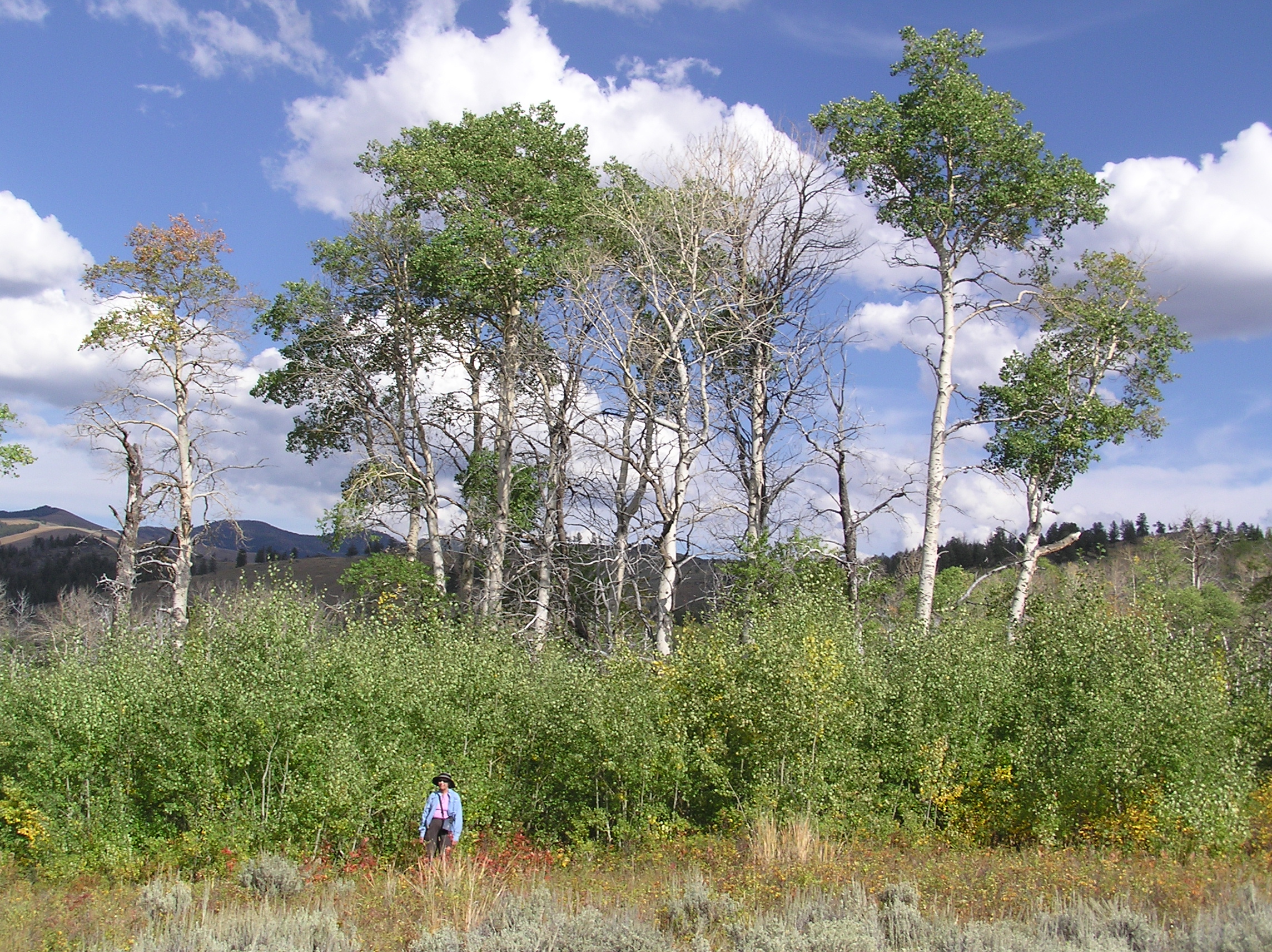
However, while Yellowstone’s quaking aspen are recovering, they aren’t out of the woods just yet. The elk population has declined, but bison (Bison bison) numbers have increased in some areas in recent years.
Bison are a lot harder for wolves to take down, said Painter, so increasing numbers of bison may be emerging as a new constraint on aspen in some areas.
Painter said that the variation in aspen recovery shows the effects of reintroducing a big predator to the top of the food chain, rather than to changes in the overall climate, for example.
The re-emergence of aspen has widespread effects, he told Live Science.
“Aspen are a key species for biodiversity. The canopy is more open than it is with conifers and you get filtering light that creates a habitat that supports a lot of diversity of plants.” In northern Canada, isolated aspen stands are vital song bird nesting habitat.
This means a boost to berry-producing shrubs, insects and birds and also species like beavers, because the trees are a preferred food and building material for the semi- aquatic rodents, along with the willows and cottonwoods that grow near to water in the region.
There are also hints that the number of bears and cougars in the region have increased since wolves were introduced, Painter said, but it’s not clear why.
“The paper shows the important ecological benefits occurring from the restoration of wolves to Yellowstone National Park,” Dominick Spracklen, a professor of biosphere-atmosphere interactions at the University of Leeds, U.K., who has studied the potential impacts of reintroducing wolves in Scotland, told Live Science.
“Ecosystems that lack large carnivores are often increasingly out of balance,” Spracklen said. “While reintroducing carnivores raises important challenges around human-wildlife coexistence, this work underscores the significant ecological benefits such restoration efforts can bring.”
***
@AmUmbria:
Montana private land owner can kill, or have killed by someone up to 100 wolves every year under the premise of threat from wolves. No need for license, 24/7/365 by any means, at night with shine, night vision/infrared & thermal imagery scopes, these were not permitted lat year. This change is due to the new law HB259.
Refer also to:
2024: Frac’d to hell Alberta dries up. Fast.
2013: ‘Just the Beginning’: US Drought Kills Hundreds of Thousands of Trees
2012: Fracking Water Killed Trees, Study Finds
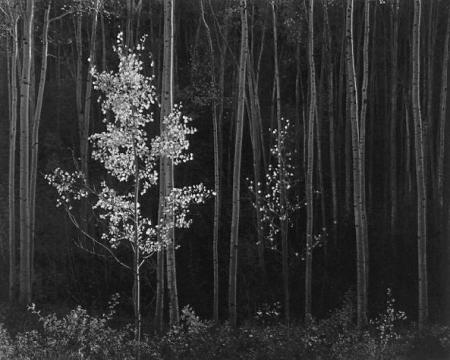
Ansel Adams, Aspen