N.S. researcher develops award-winning idea to keep ticks at bay by Melanie Price and Mike Lamb, December 02, 2025, CTV News
A Nova Scotia researcher has developed an award-winning idea to keep ticks at bay.
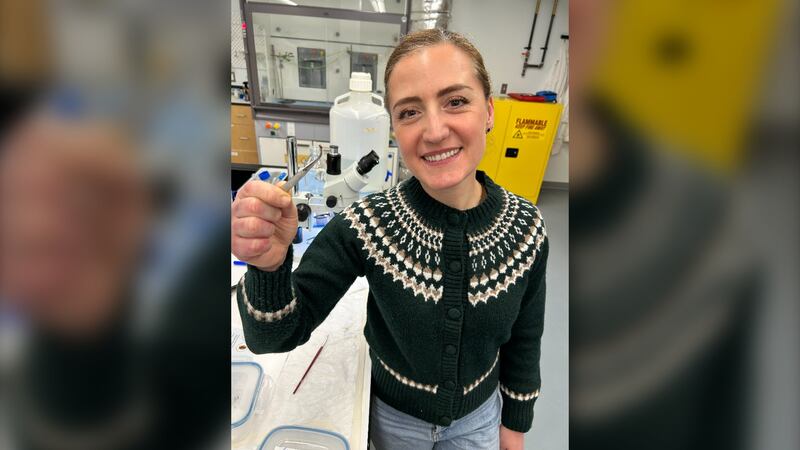
Nicoletta Faraone, an associate professor in Acadia University’s chemistry department, studies ticks and natural products.
“So trying to understand how ticks detect repellents and attractant and use this information for designing and developing new repellent products,” said Faraone.
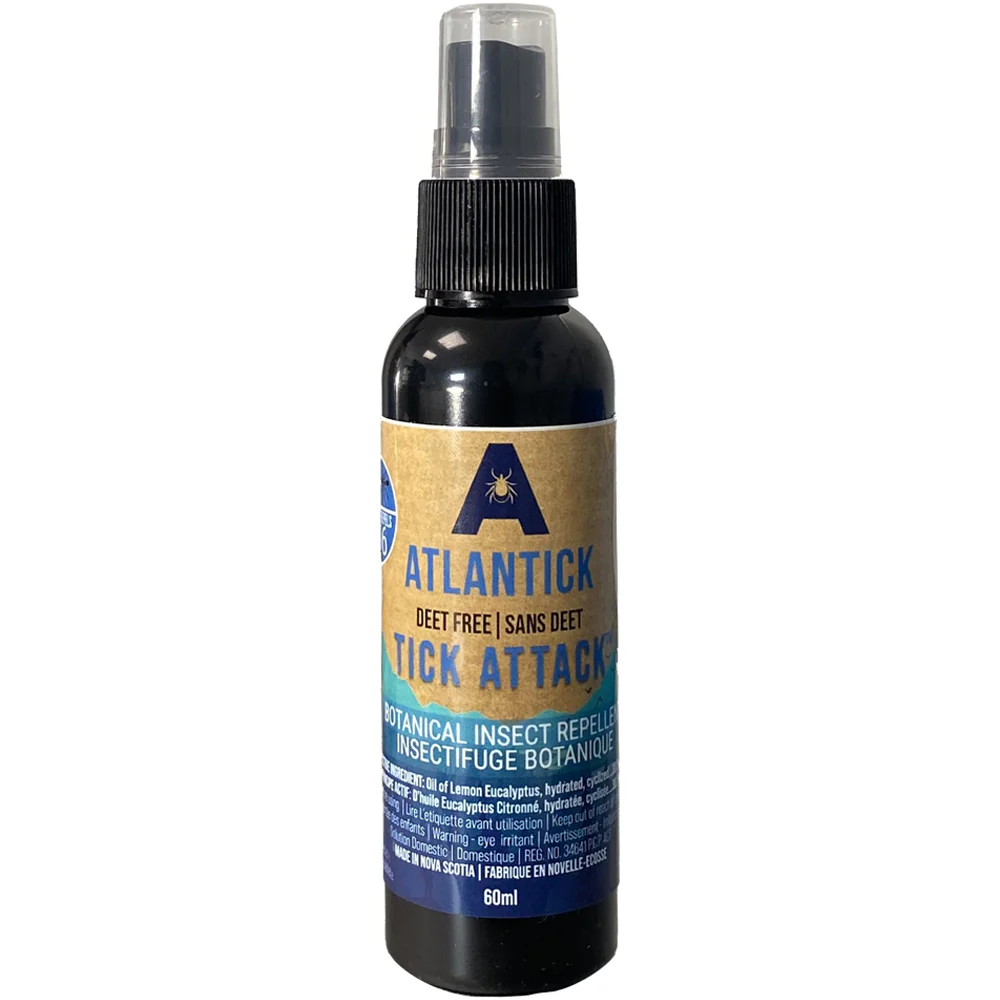
She has been working with a Nova Scotia company, AtlanTick, to develop a fabric spray.
“There was nothing comparable on the market, specifically natural products and essential oils, that could be applied on your clothing, on your camping gear for example,” said Faraone.
The company is currently going through the registration process with Health Canada and hopes to launch the product by next year.
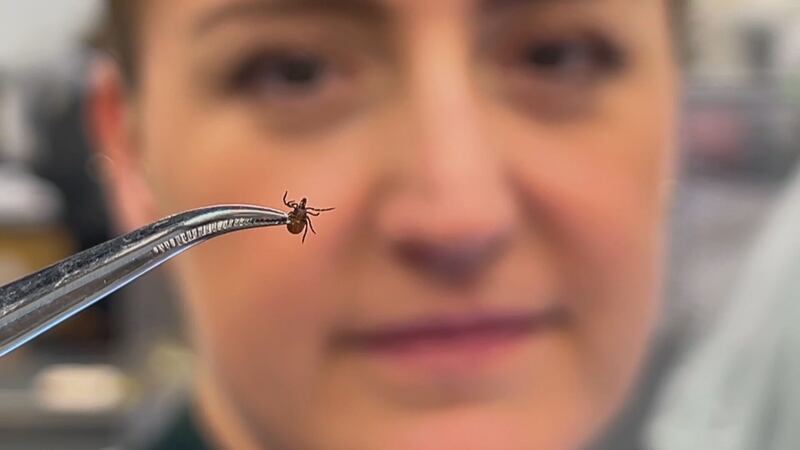
Faraone says it’s important to be able to understand how ticks process chemical signals as they are blind and rely on their sense of smell to detect a potential host.
“It’s really fascinating and, if we can understand this mechanism, it can give us really the tools for properly developing new products for managing this pest,” she said.
Faraone received the Mitacs Award for Outstanding innovation for her work developing the fabric spray tick repellent.
“It’s an incredible recognition for me, for Acadia University and it represents how important it is in creating a new product and in creating an impact in innovation,” she said.
“It’s the highlight of my career and I was very happy to represent Nova Scotia.”
@briancole5.bsky.social:
I followed this back to the AtlanTick company and the indigenous woman that started this idea and approached Acadia University. It seems to me she needs some credit here too. Her name is Lisa Learning.
Lisa Learning, founder of AtlanTick Repellent Products, is a proudly indigenous woman entrepreneur.
While growing up in Labrador, Lisa learned directly from her father and Grandmother about respecting the land and utilizing local resources to devise solutions. When both of her boys contracted Lyme disease from a tick bite, Lisa turned to nature to find a remedy. She refrained from using DEET or other hazardous chemicals on her children and wanted them, along with their dog Bella, to be able to appreciate and explore the outdoors without any restrictions.
Lisa’s Personal Story
In 2016 my two young boys started complaining of unusual body pain that surfaced as swelling knees and ankles. Despite multiple visits to outpatients, we received no answers from the doctors and were only given a “wait and see” diagnosis.
In 2017, Lisa took her initiative to the next level by selling her formulas at farmers markets and launching AtlanTick. A few months later, she forged a partnership with Acadia University to delve deeper into the world of ticks and discover an effective, scientifically-validated, natural solution.
After six years of tireless effort, AtlanTick Repellent Products Inc. is proud to announce that their 100% natural and highly effective tick and insect repellent has been registered with Health Canada, and is now available for public use. Their ongoing mission to provide Canadians with effective, natural solutions remains a top priority.
AtlanTick remains steadfast in their commitment to working with Acadia University and other leading international research facilities to study ticks and develop a range of innovative products to prevent tick bites and their harmful effects.

Refer also to: