Advocate ramps up pressure on Liberals to remove second-generation cut-off from Indian Act by Fraser Needham, Jun 11, 2026, ATPN News
An advocate from British Columbia says she’s trying to get a meeting with Prime Minister Mark Carney to explain why his government needs to eliminate what is known as the second generation cutoff.
Zoe Craig-Sparrow, director of the National Advocacy for Justice for Girls, joined Sen. Paul Prosper (Nova Scotia) and NDP Leah Gazan (Winnipeg Centre) to lobby the Liberals to end the gender based discrimination in the Indian Act.
Craig-Sparrow says that as it’s written now, the second generation cutoff will affect her future family.
“Our children will not have status,” said Craig-Sparrow, a member of the Musqueam Nation and who is engaged to a non-First Nations person. “In the eyes of the government, they will not be First Nations. They will not be able to inherit the home that I own right next to my mother’s. And they will not be able to exercise their Aboriginal right to fish.
“My babies won’t even be allowed on the boat with me,” she said.
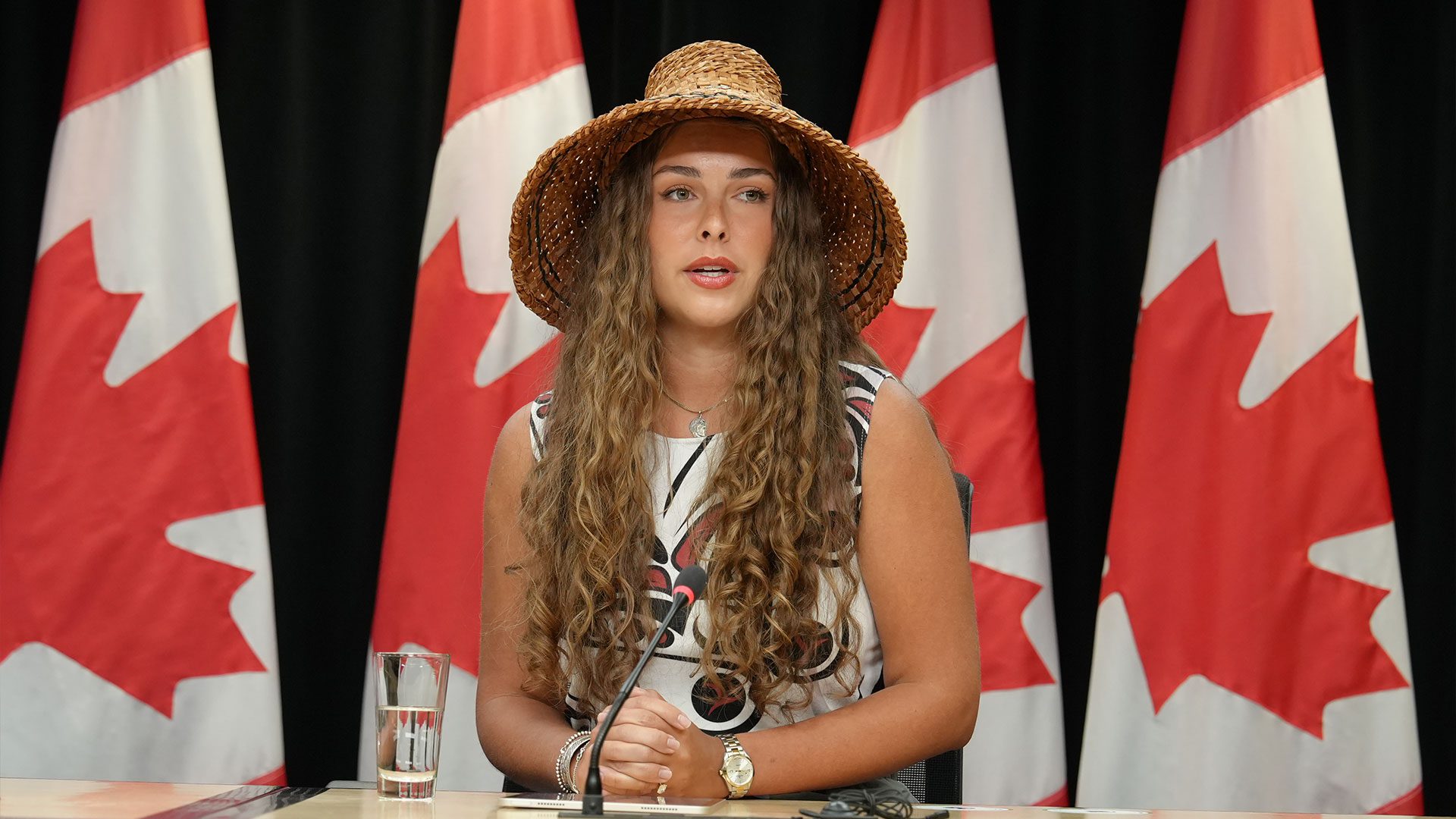
Craig Sparrow said she’s been trying to secure a meeting with Indigenous Services Minister Mandy Gull-Masty since last year but has only met with bureaucrats in the department.
Under the Indian Act, a First Nations person who chooses to have children with a non-status person cannot pass on their status indefinitely. Craig-Sparrow’s mother is First Nations, but she had a non-status partner, which means her family’s status stops with her.
The amendments calling for an end to the second-generation cut-off rule would mean an estimated 200,000 people could get legal status.
Known as the “one parent rule,” it would mean that Indian Status is passed down the same way Canadian citizenship is passed parent to child, along with the legal rights that come with that recognition.
This has huge implications for thousands of Indigenous people because, without status, they are not recognized as First Nations by the federal government and not eligible for benefits they may be entitled to. Beyond this, critics of the Indian Act say the arbitrary measure serves to alienate legitimate Indigenous people from both their immediate family and home First Nation.
At a separate press conference on Parliament Hill Thursday morning, a tearful Theresa Lewis gave a similar story.
“At 36-years-old I found my way home to my nation and I thought I could finally rest and begin to heal,” the Caldwell First Nation member in Ontario said. “But here I am today fighting for my children, my nieces, nephews and cousins. Until these wrongs are fixed we cannot stop fighting and we can’t heal.”
Over the years, the federal government has made a number of changes to increase eligibility to register under the Indian but left the second-generation cut-off intact.
Roughly a year ago, the Carney government proposed more changes to the Indian Act in response to a B.C. Supreme Court decision and introduced Bill S-2 in the Senate.
However, the Senate’s Indigenous Affairs Committee amended the legislation to eliminate the second-generation despite strong opposition from Indigenous Services Minister Mandy Gull-Masty.
The legislation now sits in committee in the House of Commons and with Parliament set to rise for the summer next week, First Nations stakeholders are urging the government to pass Bill S-2 with amendments before the break.
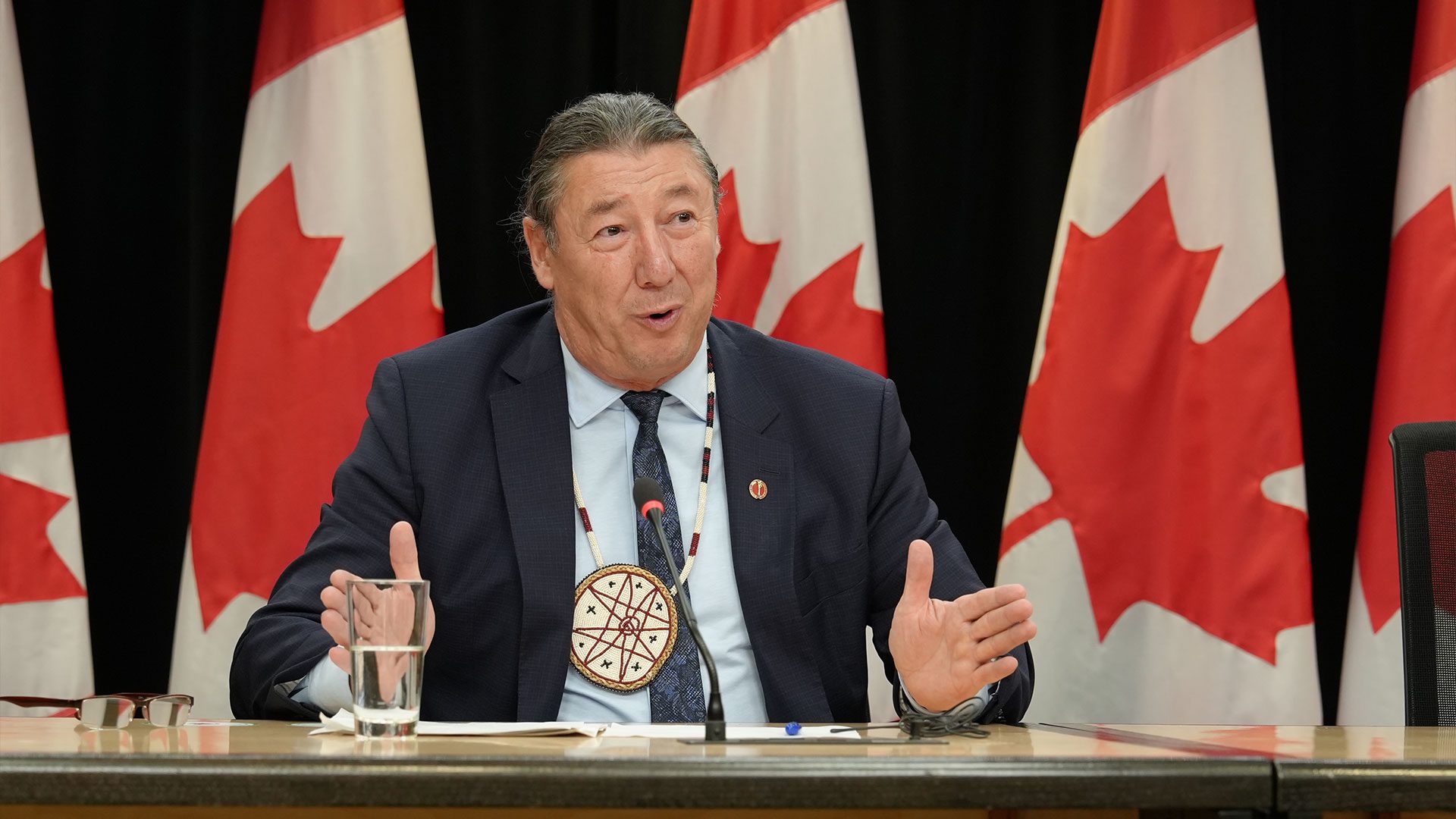
Prosper is one of a group of senators who has been pushing the government to get rid of the second-generation once and for all.
He said although the Indian Act is flawed it is the only way First Nations people can be recognized by the government and be eligible for benefits they are entitled to.
“Status is currently the only link we have to critical supports and programming only made available to those with status,” he said.
The issue came up again at the Indigenous and Northern Affairs Committee on Thursday with Gull-Masty saying the Liberals are committed to eliminating the cut-off but not without doing grass roots consultations with First Nations communities first to determine the best path forward.
“As much as I’ve heard the testimony, the attestation before committee about many communities wishing to pursue a one-parent rule, I’ve also had engagements from nations that want to ensure that their voice, their solution for citizenship, is one that is determined by them,” she told the committee.
Conservative MP Billy Morin proposed to have a clause by clause review of the proposed legislation but it’s not clear if that will happen.
However, Gazan said the government’s consultation argument is one she doesn’t buy and had these words for the ISC minister.
“Stop playing games,” she said. “Stop forcing particularly First Nations women to have to engage in a silly season talk about whether we need to be consulted about whether if we want racial and sexist discrimination to be taken out of the Indian Act.”
Prosper also said he has another theory on why the government is resistant to removing the second-generation cut-off from the Indian Act.
“It’s quite plain to me that what we’re looking at is the mathematical extinguishment of the people,” he said. “Government has an obligation to Indigenous people and they have obligations to status people – Indians as well.”
Advocates say more than 500 First Nations support removing the second-generation cut-off from the act.
All opposition parties also support the move.
“The time for consultation is long past and now is the time to end this,” said Craig-Sparrow. “There is no excuse for violating the Charter and international law.”
With files from Jesse Staniforth in Montreal.