
https://projects.propublica.org/carbon-captured
High risk of extinction across the flowering plant tree of life by Félix Forest, Jonathan F. Colville, Justin Moat, Eimear Nic Lughadha, Nisha R. Owen, Domitilla C. Raimondo, Malin Rivers […], and Matilda J. M. Brown+5 authors, 7 May 2026, Science
Vol 392, Issue 6798
pp. 655-659
Editor’s summary
Climate change and other massive global changes are increasing the risk of extinction for many species. Two papers in this issue address the extent of extinction risk to plants. Wang et al. used species distribution models to predict range shifts in response to climate change for more than 60,000 plant species. They found that 7 to 16% of these species will be at high extinction risk by 2100 across emissions scenarios. Forest et al. combined phylogenetic information with species extinction risk assessments to show that more than one-fifth of flowering plants’ evolutionary history is currently threatened, a ratio similar to that seen in vertebrate groups. Considering the extent to which people depend on the productivity and diversity of plants, these studies show what is at stake from uncurbed anthropogenic global change (see the Perspective by Scherson and Luebert). —Bianca Lopez
Abstract
Global biodiversity policies recognize the necessity to preserve evolutionary lineages, as their diversity underpins current and future benefits to people and the future of life on Earth. Plants are largely absent from global biodiversity assessments, resulting in a taxonomic imbalance that has undermined their conservation for decades. We present a tree of life and extinction risk estimates for all species of flowering plants (angiosperms), representing a global assessment of their threatened evolutionary history. We estimate that 21.2% of angiosperm evolutionary history is at risk of extinction and identify 9945 priority species that disproportionately account for total threatened evolutionary history. These prioritizations serve to redress imbalances between plants and animals, monitor conservation effectiveness, and optimize resource allocation in the face of increasing human pressures on biodiversity.
Scientists Studying Earth’s Flowering Plants Issue a Stark Warning to Humanity by Jess Cockerill, 19 July 2026, ScienceAlert
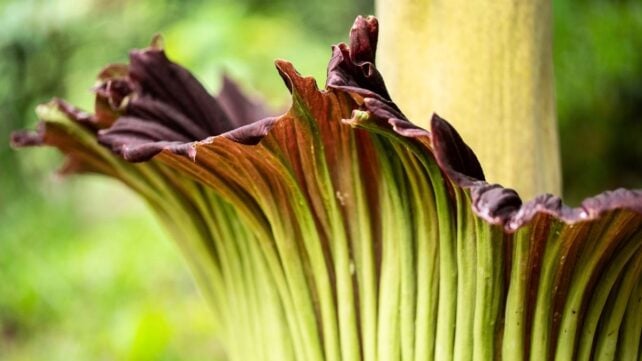 Corpse flowers are part of a hidden crisis. (Afriandi/Moment/Getty Images)
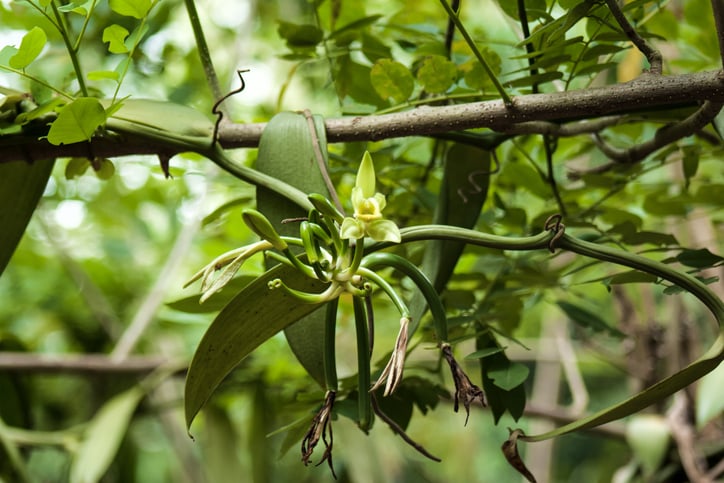
From the beloved vanilla orchid, whose pods flavor many of our favorite desserts, to the nose-twisting corpse flower, whose gigantic flower draws crowds with every fetid bloom, even the world’s most treasured flowering plants are in grave danger.
And scientists are only just coming to terms with just how much we stand to lose.
In a recent paper published in Science, an international team of biologists warns that we risk losing more than a fifth of the evolutionary history of flowering plants, as a result of ever-increasing human pressures .
Assessing species loss in terms of their evolutionary history and level of endangerment is a relatively new approach in conservation science.
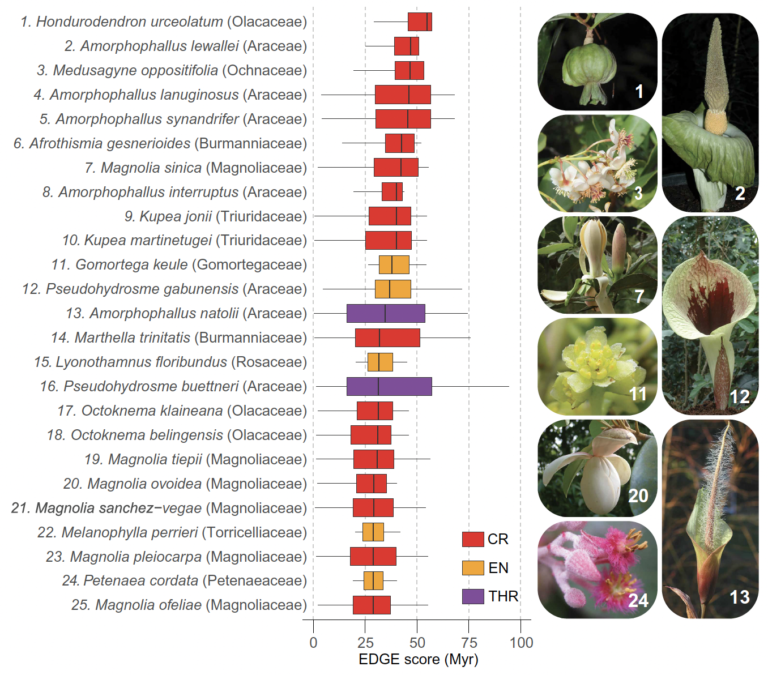
A method established in 2007 by the Zoological Society in London combines a species’ evolutionary distinctiveness (ED) with its risk of extinction (global endangerment, GE).
This results in an ‘EDGE’ score, which helps biologists identify species to prioritize in conservation.
EDGE scores particularly highlight the value of species that uniquely represent a long, isolated branch on the evolutionary tree, such as Ginkgo biloba, the sole living descendant of a lineage dating back at least 300 million years.
The recent report is the first time scientists have used EDGE scores to assess the extinction stakes for angiosperms, ie flowering plants.
“These EDGE scores provide the vital information required to highlight the irreplaceable and threatened species that are often overlooked and whose conservation will help maintain current and future benefits to people and the future of all life on Earth,” says the study’s lead author, Félix Forest, a plant evolutionary biologist at Kew Gardens.
Rikki Gumbs, a biologist from the Zoological Society in London and co-lead on the paper, says the EDGE approach has allowed conservationists to identify overlooked animals most in need of urgent conservation action for almost two decades, while plants have remained underrepresented.
“Flowers and forests aren’t just a pretty backdrop for pictures of bees and tigers,” he says.
“Each plant is an essential, living building block to life on Earth, providing us with air to breathe and food to eat. By applying the EDGE approach to flowering plants, we are better able to protect our planet’s rich, bustling ecosystems that have taken billions of years to develop.”
With this approach, the researchers discovered that 21.2 percent of angiosperm evolutionary history is at risk of extinction.
Of the 335,497 known flowering plant species included in the analysis, 9,945 qualified as EDGE species – meaning that about 3 percent of all known plant species are both evolutionarily unique, and globally endangered with extinction.
There are several familiar faces on the list: Vanilla planifolia, the plant responsible for the most classic ice-cream flavor; Nymphaea thermarum, the world’s smallest water-lily; and Amorphophallus titanum, the giant stinky flower we all love to hate, along with many of its relatives.
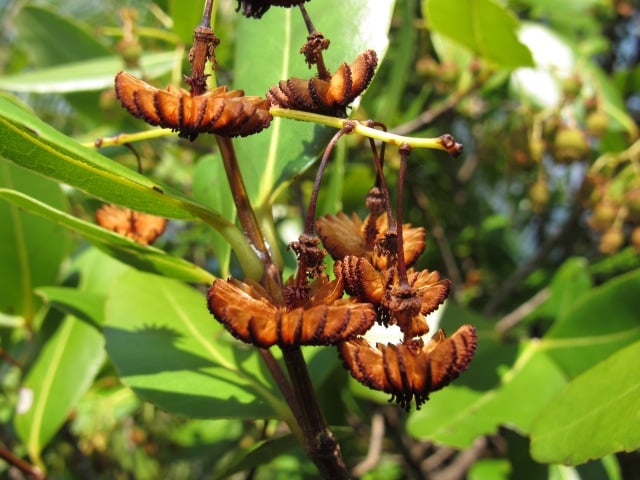

But of course, many other plants on the list are ones you might’ve never heard of: the jellyfish tree, Medusagyne oppositifolia, for instance; or Hondurodendron urceolatum, a tree which is the only living member of its genus.
“The benefits that EDGE species provide to society are as unique and irreplaceable as the species themselves,” explains Kew botanist Matilda Brown.
“Losing a deep branch of the tree of life means the potential loss of the next breakthrough cancer drug or antibiotic, with no second chance.
While the risk of losing these inimitable species is concerning news, it’s also an opportunity for plant conservation programs across the world to allocate resources where they could make the greatest difference to biodiversity.
“With more than two in five plants estimated to be at risk of extinction, and 75 percent of those that remain to be discovered predicted to be threatened, now is the time to catalyze a new generation of conservation monitoring and action for the many distinct, overlooked, and threatened plant species on Earth,” the authors conclude.
The research was published in Science.